
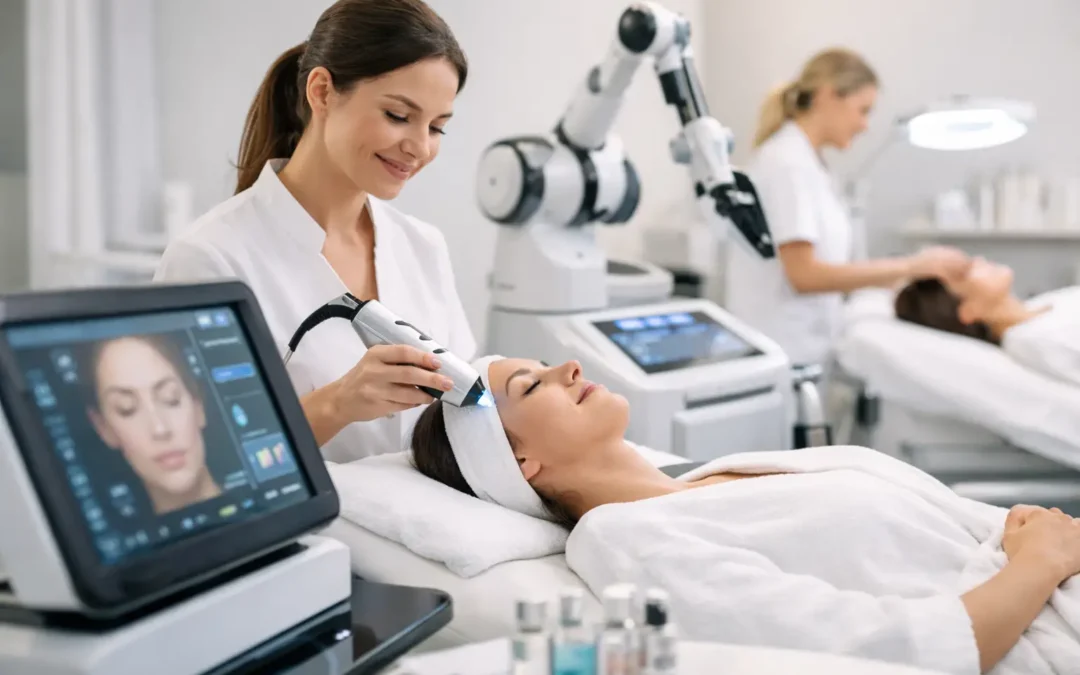
A client may arrive asking about skin texture, unwanted hair, or a more refreshed appearance. Behind a great consultation is no longer just product knowledge and a steady hand. Medical spa technology trends are changing how professionals assess concerns, plan treatments, document progress, and deliver results responsibly. For aspiring medical estheticians, that creates an exciting opportunity – and a clear reason to seek training that combines modern equipment with strong fundamentals.
The technology matters, but it is not the career. The professionals who stand out know how to listen, recognize when a treatment is appropriate, follow safety protocols, and create a client experience that earns trust. Technology gives them more ways to do that work well.
Medical Spa Technology Trends That Matter Most
Not every new device becomes a lasting industry standard. The trends worth watching are the ones that improve treatment precision, support safer decision-making, respond to real client demand, and fit within a well-managed med spa. Learning how to evaluate technology is as valuable as learning how to operate it.
Advanced skin analysis and treatment planning
Skin consultations are becoming more visual and data-informed. Digital skin analysis systems can capture detailed images and help identify concerns such as uneven tone, congestion, visible pores, texture changes, or signs of sun exposure. This gives clients a clearer starting point and helps practitioners track progress over a series of services.
Still, a screen does not replace professional judgment. Lighting, hydration, recent product use, and skin sensitivity can affect what an image shows. A skilled professional uses technology as one part of a thoughtful consultation, then asks the right questions about health history, goals, lifestyle, and home care.
For students, this is a valuable shift. You will need to explain findings in clear, supportive language rather than overwhelm clients with technical terms. Great consultations should help people feel informed, not judged.
Energy-based treatments with stronger personalization
Laser and light-based services remain major drivers of medical spa demand. These technologies are commonly used for hair reduction, pigmentation concerns, redness, acne support, and skin rejuvenation. Radiofrequency, ultrasound, and other energy-based modalities are also used in services focused on firming and rejuvenation.
The most meaningful development is not simply stronger equipment. It is greater attention to customization. Skin type, skin tone, treatment area, sensitivity, medications, and client goals all influence whether a service is suitable and how settings should be selected. In some cases, the best answer is to postpone treatment, choose a different modality, or refer the client to an appropriate medical professional.
That level of decision-making requires more than a quick device demonstration. Future practitioners need supervised practice, an understanding of contraindications, and a clear respect for their professional scope. The right training builds confidence without encouraging overconfidence.
Microneedling and collagen-focused services
Clients continue to seek treatments that support smoother-looking, firmer, more even skin with limited downtime. Microneedling and other collagen-focused services remain popular because they can be incorporated into personalized treatment plans for concerns such as texture, the appearance of fine lines, and certain types of scarring.
This category also shows why safety is central to career readiness. Proper sanitation, skin preparation, informed consent, post-treatment instructions, and realistic expectations all shape the client outcome. Technology may create the treatment opportunity, but professional technique protects the experience.
Students should look for education that teaches the full service process: consultation, setup, treatment protocols, aftercare, documentation, and communication. A client remembers how their skin felt after the appointment, but they also remember whether they felt safe in your care.
Body technology and noninvasive options
Noninvasive body services are another area of continued interest. Clients may ask about treatments designed to support body contouring goals, improve the appearance of skin texture, or complement healthy lifestyle changes. Depending on the technology, services may use heat, cold, radiofrequency, electromagnetic energy, or vacuum-assisted techniques.
Results can vary widely. That is why ethical communication matters. A capable medical spa professional avoids exaggerated promises and explains what a treatment can reasonably do, how many sessions may be recommended, and what aftercare or lifestyle factors may influence the experience. This honest approach protects clients and strengthens long-term loyalty.
The Digital Tools Behind a Better Client Experience
Technology trends are not limited to treatment rooms. Med spas are also using digital systems to make the client journey more organized and personal. Online booking, automated reminders, electronic consultation forms, before-and-after photo documentation, and treatment notes can help busy teams deliver more consistent service.
For a new professional, these systems are part of employability. Employers value team members who can follow documentation procedures, maintain client privacy, keep accurate records, and communicate professionally through approved channels. A beautiful treatment room means little if a business cannot maintain safe, reliable client records.
Artificial intelligence may also become more visible in scheduling, marketing, and preliminary skin analysis. It can help a business recognize patterns or manage routine tasks, but it should not replace human accountability. Clients still need a trained person who can interpret information carefully, answer questions honestly, and recognize when a concern needs medical direction.
Why Hands-On Training Is More Valuable Than Ever
As equipment becomes more sophisticated, foundational skills become even more important. A machine cannot teach you how to calm an anxious client, adjust your communication style, recognize a reaction, or maintain a polished service flow. Those abilities are developed through practice.
Career-focused education should give students the chance to work with modern tools while learning the standards behind them. That includes sanitation, client consultation, contraindications, anatomy and skin knowledge, professional ethics, treatment sequencing, and aftercare. Small class settings and instructor feedback can make a real difference because students have more opportunities to ask questions, correct technique, and build confidence before entering the workforce.
At The Beauty Academy, hands-on learning and exposure to real client expectations help students connect classroom knowledge to the pace of a professional environment. The goal is not to memorize a script for one device. It is to become adaptable enough to grow as services, technology, and client preferences evolve.
How to Prepare for a Technology-Driven Med Spa Career
Start by choosing a program that treats technology as part of a complete professional skill set. Ask what equipment students train on, how much supervised practical experience is included, and whether the curriculum addresses consultation, safety, and client communication alongside treatment techniques.
Next, build the habits employers notice. Arrive prepared, keep your station organized, follow protocols carefully, and learn to document services accurately. These may sound like small details, but they are the habits that help clients feel confident and help medical spa teams operate safely.
Finally, stay curious after graduation. New devices and treatment protocols will continue to emerge. Continuing education can help you expand your skills, but choose it carefully. The best courses explain not only what a technology does, but also who it is for, when it should not be used, and how to integrate it responsibly into a treatment plan.
A future in medical esthetics is full of possibilities for professionals who pair technical skill with sound judgment and genuine care. Learn the tools, practice the fundamentals, and let your commitment to clients guide every next step in your career.