
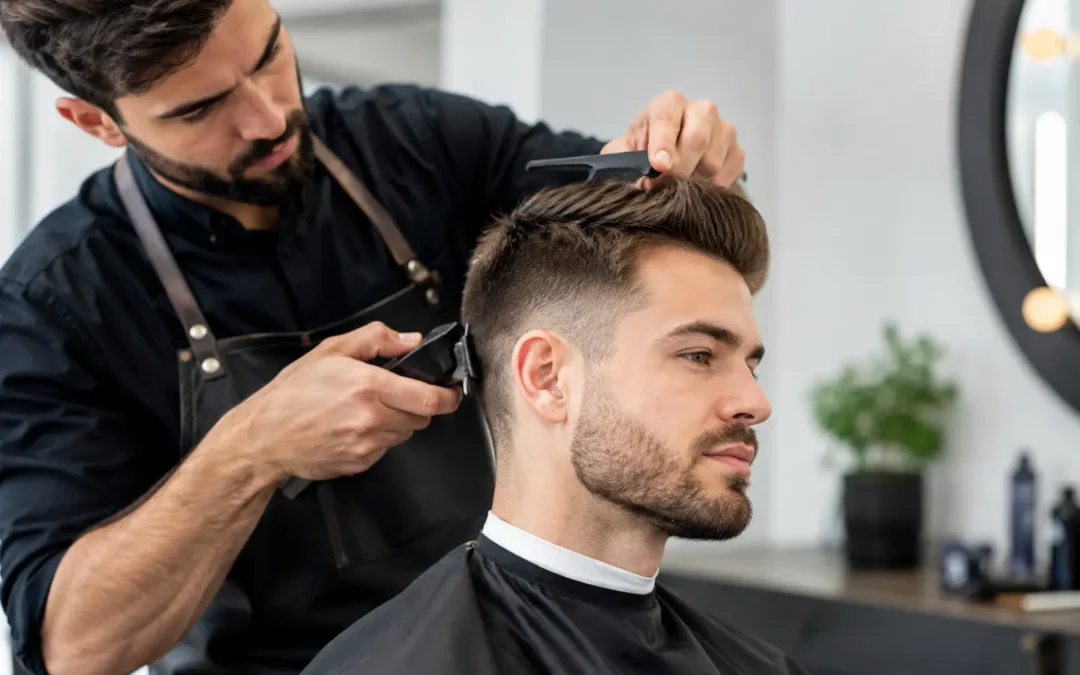
A great haircut is not defined by how fast the clippers move. It is defined by the moment a client checks the mirror, runs a hand through the finish, and knows the cut was built specifically for them. That level of confidence starts with learning the top barbering techniques to learn in the right order, with hands-on practice and expert feedback.
Barbering is a creative, people-focused career with room to grow. Whether you picture yourself working in a busy barbershop, building a loyal clientele, or eventually leading your own business, technical skill is the foundation. The best barbers combine precision, consultation, sanitation, and strong service into an experience clients want to return to.
The Top Barbering Techniques to Learn First
New barbers do not need to perfect every trend on day one. The goal is to develop reliable fundamentals that work across hair types, face shapes, and client preferences. Once those skills are consistent, advanced designs and signature services become much easier to build.
Clipper control and guard work
Clipper work is central to modern barbering. Learning how to hold, angle, and move clippers with intention helps create clean, even results while protecting the client’s comfort. You will need to understand the purpose of different guards, lever positions, blade types, and clipper-over-comb techniques.
Strong clipper control is not about pressing harder or moving faster. It comes from light, controlled strokes, a steady wrist, and the ability to read how hair grows. Cowlicks, dense areas, and changes in head shape all affect the final cut. Practicing on a range of hair textures and densities prepares you to adjust instead of relying on one routine for every client.
Fades and blending
Fades are among the most requested barbering services, and they demand patience. A clean fade should transition smoothly from short to longer hair without visible lines, dark patches, or uneven weight. Low, mid, and high fades each create a different look, so placement matters as much as blending.
Learning to create a fade begins with sectioning the head mentally and setting clear guidelines. From there, you remove bulk, soften lines, and check the blend from multiple angles. Lighting, hair color, and texture can reveal inconsistencies that are easy to miss when you only look straight on.
A skin fade can be a valuable skill, but it is not automatically the right choice for every client. Some clients prefer a softer taper, while others need more length around the sides because of scalp sensitivity, scars, hairline concerns, or workplace expectations. A skilled barber knows how to recommend the right variation rather than forcing every haircut into the same trend.
Tapers and neckline finishing
Tapers create a polished, natural-looking transition around the sideburns and nape. They may look subtle, but they require careful detail work. A balanced taper can elevate a classic cut, support a longer style, and help a haircut grow out more gracefully.
Neckline finishing is equally important. Whether a client chooses a natural, tapered, or squared neckline, the work should complement their growth pattern and maintenance routine. Sharp edges can look striking, but they may grow out quickly. A natural neckline often offers a softer appearance and lower-maintenance result. This is where technical knowledge meets honest client guidance.
Scissor-over-comb and shear cutting
Clippers create structure, but shears bring flexibility, movement, and polish. Scissor-over-comb is an essential technique for blending longer areas into shorter sides without leaving harsh lines. It takes hand coordination and repetition, yet it gives barbers more control around the parietal ridge, crown, and areas where clippers may remove too much weight.
Basic shear cutting also helps you deliver layered looks, textured crops, medium-length styles, and longer men’s cuts. Learning elevation, distribution, cutting angles, and body positioning will help you create shape instead of simply removing length. The difference is noticeable: a haircut with intentional shape grows out better and is easier for the client to style at home.
Texturizing and weight removal
Texturizing can add movement, reduce bulk, or soften a heavy finish. It can be done with point cutting, slide cutting, thinning shears, razor work, or careful clipper techniques. The right method depends on the hair’s density, curl pattern, condition, and the desired style.
This technique requires restraint. Taking out too much weight can make fine hair look sparse or cause curly hair to lose its shape. Texturizing should always have a purpose. Before making a cut, ask what the hair needs: more movement, less bulk, a softer perimeter, or easier styling. That question keeps your work deliberate.
Precision Lineups and Beard Design
A sharp lineup can transform the appearance of a haircut. Hairline work around the forehead, temples, ears, and nape requires a steady hand, clean tools, and respect for the client’s natural shape. Pushing a hairline back for a dramatic edge may look crisp for a few days, but it can create long-term maintenance issues. Preserving the natural hairline is professional, responsible barbering.
Beard grooming is another service area that can build client loyalty. Barbers should learn how to assess beard density, facial structure, growth direction, and skin sensitivity before shaping. A beard can be faded into a haircut, sculpted into a defined outline, or kept softer for a more natural finish.
The strongest beard services include clear communication. Ask how the client wears the beard at home, whether they use product, and how often they want to return for maintenance. A design that looks great in the chair should also make sense for the client’s lifestyle.
Straight-Razor Shaving and Skin Care
Traditional shaving is both technical and personal. It requires proper preparation, blade handling, skin stretching, lather application, and aftercare. A comfortable shave starts before the razor touches the skin. Cleanse the area, soften the hair with warm towels or appropriate products, and assess the client’s skin for irritation, acne, or sensitivity.
Razor technique must be controlled and hygienic. Barbers should understand blade angles, shaving direction, and when to avoid repeated passes over the same area. Proper sanitation, disposable blade practices, and clean tool handling are non-negotiable parts of professional service.
A close shave is not always the best shave. For clients prone to razor bumps or ingrown hairs, a gentler finish and thoughtful product recommendation may be the better choice. Career-ready barbers recognize that client safety and comfort matter as much as a smooth result.
Consultation Is a Barbering Skill, Not Small Talk
Before a haircut begins, a consultation gives you the information you need to deliver the right service. Ask what the client likes about their current style, what they want to change, how much time they spend styling, and how often they plan to maintain the cut. Look at face shape, hairline, density, curl pattern, and growth direction before making recommendations.
Clear communication also prevents disappointment. Use simple language, show clients where a fade will begin, confirm how much length will come off, and explain any limitation honestly. If a reference photo will not translate directly to their hair type or face shape, offer an alternative that delivers a similar feel.
Clients remember when they feel heard. Technical skill brings them in, but trust is what brings them back.
Build Speed Without Sacrificing Quality
New barbers often feel pressure to work quickly. Speed matters in a professional setting, but rushing creates uneven blends, missed details, and avoidable stress. Focus first on a consistent service process: consultation, sectioning, bulk removal, blending, detailing, checking, styling, and cleanup.
As your hand skills improve, your speed will follow. The fastest barbers are not cutting corners. They have practiced the same fundamentals so often that their movements are efficient and purposeful. Small class instruction and real-client practice can make a meaningful difference because instructors can identify habits early and help you correct them before they slow you down.
At The Beauty Academy, hands-on barbering education is designed to help aspiring professionals build that confidence through practical training, current techniques, and guidance from experienced instructors.
Why Practice on Different Clients Matters
Mannequins are useful for learning movement and technique, but real clients teach judgment. Every head has different density, texture, growth patterns, expectations, and communication needs. The more variety you work with, the more adaptable you become.
Practice should also include evaluating your own work. Step back from the chair, use mirrors, check both sides, and inspect the blend in different lighting. Take pride in the small details: loose hairs, clean lines, balanced sideburns, product choice, and a tidy workstation. These habits signal professionalism before the client says a word.
Your barbering career begins with a willingness to learn, practice, and improve one service at a time. Build a strong foundation, ask for feedback, and stay curious about the techniques clients are requesting. With consistent training and care for every person in your chair, you can create work that earns trust and helps build the dream career you are working toward.