
A client looks in the mirror after a treatment and sees a fresher, more confident version of themselves. Creating that moment takes more than a passion for beauty. This guide to medical spa careers explains the training, professionalism, technical skill, and client care behind a career that can be both creative and rewarding.
Medical spas bring together advanced beauty services and a polished, wellness-focused client experience. For aspiring professionals, they can offer a path beyond traditional salon work, with opportunities to build specialized skills, work with modern technology, and grow into roles with strong long-term potential.
What Is a Medical Spa Career?
A medical spa, often called a med spa, provides aesthetic services in an environment connected to medical oversight. Depending on local regulations and the facility’s service menu, clients may visit for advanced skin treatments, laser-based services, body treatments, injectables, skincare consultations, and other appearance-focused procedures.
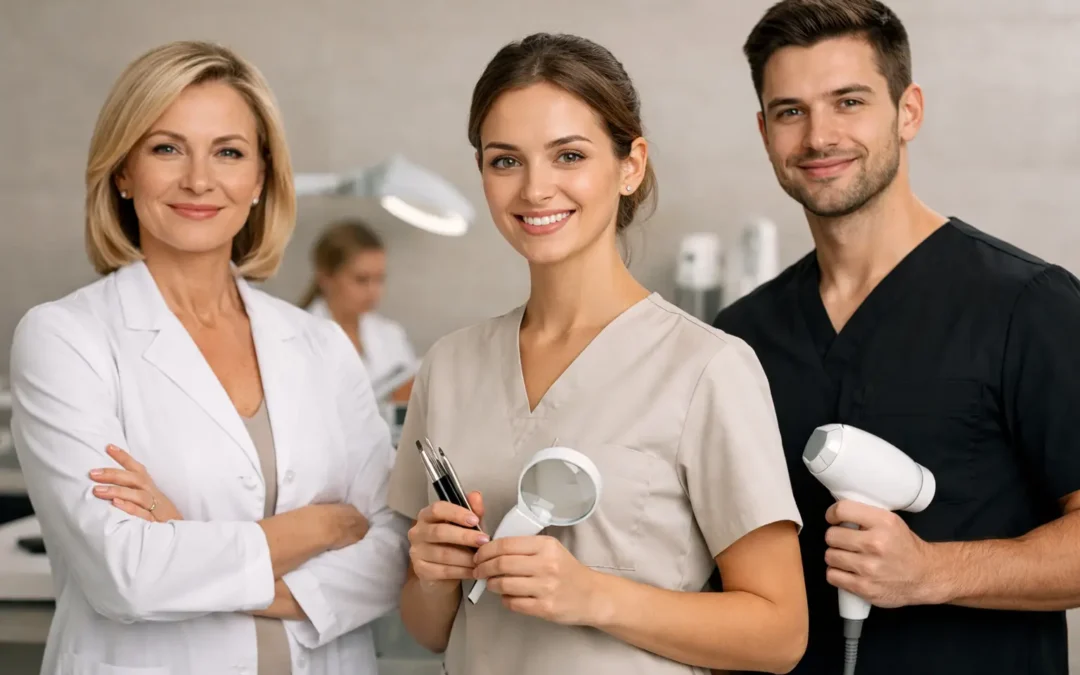
The team behind those services can include medical estheticians, estheticians, laser technicians, nurses, nurse practitioners, physicians, client coordinators, and spa managers. Each role has a different scope of practice, level of responsibility, and training requirement.
For many students, medical esthetics is a natural starting point. It combines the client-centered foundation of esthetics with more advanced knowledge of skin, treatment protocols, sanitation, consultation skills, and professional product recommendations. The work is hands-on, but it also requires careful judgment. A great medical spa professional knows when a treatment is appropriate, when to refer a client to a medical provider, and how to set realistic expectations.
Career Paths in Medical Spas
There is no single job title that defines a medical spa career. Your best direction depends on the services you want to provide, the regulations where you plan to work, and whether you prefer treatment delivery, sales, client relations, or leadership.
Medical Esthetician or Advanced Skin Care Specialist
Medical estheticians focus on skin health, client education, and advanced aesthetic services within their approved scope. They may perform professional facials, exfoliation treatments, skin analysis, hair removal, body treatments, and device-based services when properly trained and permitted.
This role suits people who enjoy detail-oriented work and want to build long-term client relationships. Clients often return for treatment plans over several months, so trust, consistency, and clear communication matter just as much as technique.
Laser Technician
Laser and light-based services can be a strong area of specialization, but they require serious training and attention to safety. Services may include laser hair reduction, photofacials, and certain skin rejuvenation treatments, depending on state rules and the provider’s credentials.
Because requirements vary widely, students should always research licensing, supervision, and certification expectations in the state where they intend to work. A program should teach more than how to operate a device. It should also cover contraindications, skin assessment, treatment records, sanitation, eye protection, and client aftercare.
Medical Spa Client Coordinator
Not every high-impact med spa position takes place in the treatment room. Client coordinators welcome guests, manage consultations, explain service options, maintain records, and help clients follow through with customized treatment plans.
This career path is a strong fit for people with beauty knowledge and excellent communication skills. Successful coordinators understand how to create a calm, professional experience without pressuring clients. They are often the bridge between the clinical team, the service provider, and the client.
Spa Manager, Educator, or Business Owner
With experience, medical spa professionals can move into leadership. Spa managers oversee scheduling, team performance, inventory, client satisfaction, and daily operations. Others become product educators, brand representatives, trainers, or entrepreneurs who build their own service businesses.
Advancement is not automatic. It usually comes from consistent results, strong client retention, sales confidence, reliable professionalism, and a willingness to keep learning as treatments and technology change.
The Training That Builds Career Confidence
A certificate on its own does not make someone ready for a busy medical spa floor. Employers look for graduates who can consult with clients professionally, follow safety procedures, adapt to different skin concerns, and provide a polished experience from the first conversation through aftercare.
Hands-on education is especially valuable. Practicing techniques under the guidance of experienced instructors helps students develop proper pressure, timing, product knowledge, and treatment flow. Working with real or realistic client scenarios also builds the confidence that cannot come from reading a textbook alone.
Look for training that includes skin theory, sanitation, facial and body treatments, client consultation, contraindications, product knowledge, retail skills, and current medical spa practices. Small class sizes can make a meaningful difference because students receive more direct feedback while learning technical services.
Modern equipment matters, too. Technology evolves quickly in the beauty industry, and students should learn in an environment that reflects the tools, treatment standards, and professional expectations they may encounter after graduation.
Licensing, Certification, and Scope of Practice
This is where career planning requires honesty and careful research. Medical spa services are regulated differently across the United States. A service that an esthetician may perform in one state may require additional certification, medical supervision, or a different professional license in another.
Before choosing a program or accepting a position, confirm the requirements set by your state licensing board. Ask practical questions: Which services can I legally provide? Do I need an esthetics license first? Is laser certification required? What level of medical supervision is needed? Can I perform this treatment in the facility where I want to work?
Never assume a weekend course qualifies you for every advanced service. Continuing education can strengthen your skills, but it does not replace foundational training or legal requirements. Employers respect professionals who understand their scope and protect client safety.
Skills That Help You Stand Out
Technical ability gets your foot in the door. Professional habits help you build a career people remember. In medical spas, clients are often investing significant time and money in their appearance and confidence. They expect knowledgeable guidance, cleanliness, discretion, and a provider who listens.
The most successful professionals combine clinical awareness with a warm service mindset. They can explain a treatment in plain language, document client information carefully, recommend products without sounding scripted, and respond calmly if a client feels nervous or disappointed.
Strong consultation skills are particularly valuable. Instead of promising dramatic results, a trusted professional asks questions, evaluates concerns, explains realistic options, and creates a plan that fits the client’s needs. That approach supports better outcomes and builds repeat business.
Sales skills also matter, but they should be rooted in education. Recommending a home-care product or follow-up service should feel like part of a thoughtful treatment plan, not an aggressive transaction. When clients understand why a recommendation supports their goals, they are more likely to return and refer others.
How to Choose the Right Medical Spa Program
The right program should help you move from interest to employability. Start by looking at the curriculum and asking whether it reflects the work you want to do. If your goal is advanced skincare or medical spa services, make sure the training goes beyond basic beauty concepts.
Next, consider the learning environment. Career-focused training should include practical work, instructor feedback, professional tools, and opportunities to build confidence with client interaction. A supportive instructor can correct small mistakes before they become habits and help you understand how industry standards apply in real situations.
Also ask how the school prepares students for the job search. Resume support, interview preparation, portfolio development, and exposure to real client service can all make the transition into the workforce feel more achievable. The Beauty Academy supports aspiring professionals with hands-on, career-focused education designed to help students feel prepared to succeed.
Your First Steps After Graduation
Your first position may not be your forever role, and that is a strength rather than a setback. Many professionals begin in a day spa, salon, skincare clinic, or front-desk role while building experience and continuing their education. Each client interaction teaches you how to communicate, manage time, recommend services, and earn trust.
Create a professional portfolio as you grow. With client permission and appropriate privacy practices, document your work through high-quality before-and-after photos, treatment knowledge, certifications, and client feedback. Keep your social presence polished and consistent with the type of employer or clientele you want to attract.
Stay curious after you graduate. New technologies can create exciting opportunities, but not every trend deserves immediate investment. Choose continuing education that strengthens your goals, fits your legal scope of practice, and offers skills employers and clients genuinely value.
A medical spa career can give you room to create, connect, specialize, and grow. Start with training that challenges you, practice with purpose, and let every client experience build the professional reputation that carries your career forward.