
A great haircut, facial, fade, or treatment is never just the result of memorizing steps. It comes from repetition, professional feedback, client communication, and the confidence to make informed decisions in real time. That is what makes salon training effective: it prepares students to perform services safely, creatively, and professionally when the client is sitting in front of them.
For aspiring hairstylists, barbers, estheticians, and medical spa professionals, choosing a school is a career decision. The right training does more than help you earn a diploma or certificate. It gives you the technical foundation, work habits, and practical experience employers expect from an entry-level professional.
What Makes Salon Training Effective?
Effective salon training connects classroom knowledge to the pace and standards of a working salon or spa. Students need to understand why a technique works, but they also need enough guided practice to perform it consistently on different hair types, skin concerns, face shapes, and client preferences.
The strongest programs combine current theory with supervised, hands-on learning. Instructors demonstrate a technique, explain the reasoning behind it, observe students as they practice, and offer specific corrections. That cycle matters. A student may understand a color formula or a facial protocol on paper, yet still need coaching on sectioning, timing, pressure, sanitation, product selection, or consultation language.
Training should also reflect the reality that beauty services are personal. Clients bring different goals, comfort levels, lifestyles, and expectations. Learning how to listen, ask thoughtful questions, and recommend services professionally is every bit as valuable as learning a technical procedure.
Hands-On Practice Builds Real Confidence
There is a major difference between watching a demonstration and completing a service yourself. Repetition builds muscle memory, speed, and confidence. It also gives students a chance to learn from small mistakes in a supportive setting before they enter the workforce.
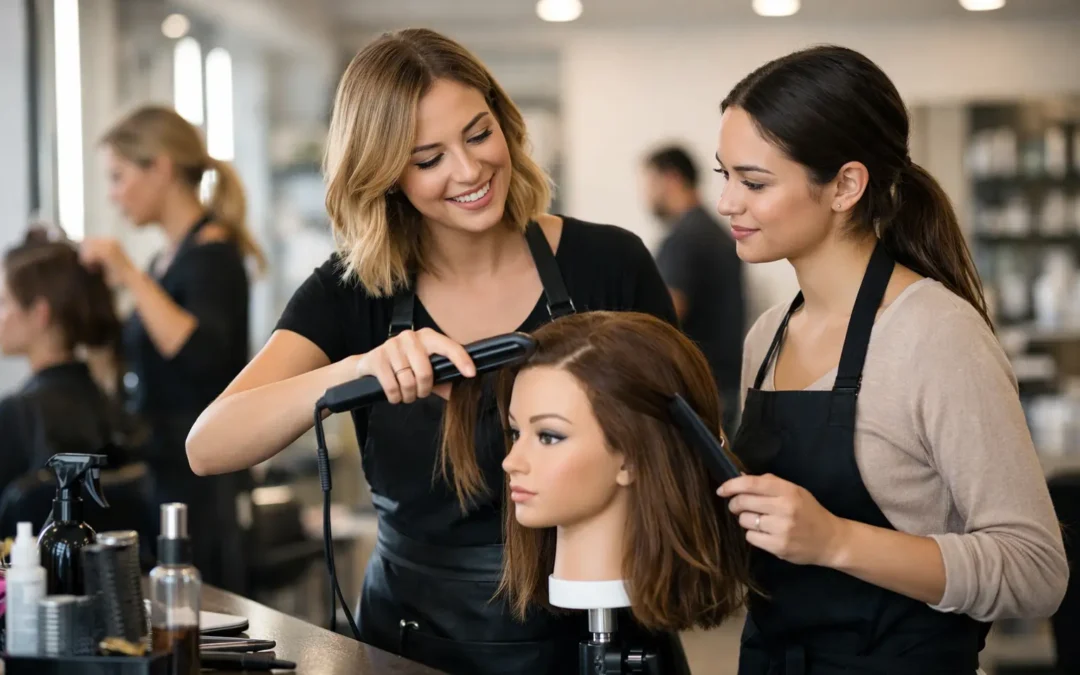
At first, students may practice foundational techniques on mannequins or models. This stage is essential because it allows them to focus on form, control, and process. As their abilities develop, supervised work with real clients brings a new level of learning. A live client may have unique hair density, sensitive skin, a complex service history, or a particular vision for the final result. These are the situations that help students become adaptable professionals.
Client-based training also teaches time management. A salon professional has to deliver quality work while keeping an appointment on schedule, maintaining a clean station, preparing tools, and creating a welcoming experience. These details can seem small, but together they shape a client’s trust and determine whether they return.
Small Class Sizes Create Better Coaching
Personal instruction is one of the clearest signs of an effective beauty education program. In a crowded classroom, students can spend too much time waiting for help or practicing without enough feedback. In smaller classes, instructors can see how each student works and address issues before they become habits.
That feedback should be practical and direct. Rather than simply saying a result is good or needs improvement, an experienced instructor can identify what happened and show the student how to correct it. Maybe the haircut lost balance because the sectioning was inconsistent. Maybe a facial service needs a gentler touch or better product sequencing. Specific feedback turns uncertainty into progress.
Small class environments also make it easier for students to ask questions. Career starters may be learning an entirely new professional language, while adult learners may be balancing school with work or family responsibilities. Supportive instructors who make time for individual guidance can help both groups build confidence without feeling left behind.
Industry-Experienced Instructors Make Training Relevant
Beauty trends evolve quickly, but professional standards remain high. Students benefit from instructors who understand both. Industry-experienced educators bring real salon and spa insight into the classroom, including the expectations they have seen from employers, clients, and service providers.
They can explain how a consultation changes when a client wants a dramatic transformation, how to respond when a service does not go as planned, and how to maintain professionalism during a busy day. They can also help students understand the difference between a technique that looks good in a photo and one that performs well in a real appointment.
Current training matters especially in areas such as color services, advanced skincare, barbering, medical esthetics, and medical spa services. Students need exposure to updated techniques, appropriate equipment, sanitation procedures, and products used in professional settings. A school should teach foundational skills deeply while staying connected to where the industry is going.
Modern Equipment Supports Professional Standards
The tools students learn with shape their expectations of professional work. Training on modern equipment helps future beauty professionals become comfortable with the tools and environments they may encounter after graduation.
Equipment alone does not create talent. A beautifully designed clinic room or salon floor cannot replace strong instruction. However, the right learning environment gives students the opportunity to practice accurate procedures, follow safety protocols, and develop organized service routines. For medical esthetics and spa-focused programs, this is particularly important because students must understand both technical application and client safety.
Effective programs teach students to respect their tools as part of their professional image. Clean brushes, sanitized implements, properly maintained clippers, organized color stations, and thoughtful product handling show clients that they are in capable hands.
Career Readiness Includes More Than Technical Skill
A graduate can be talented and still feel unprepared if they have not learned how a salon or spa operates. Effective training includes the professional skills that help students transition from the classroom to the workplace.
This means learning how to conduct consultations, recommend suitable services, communicate aftercare, manage appointments, and handle feedback with maturity. It means understanding punctuality, presentation, teamwork, and the value of building trust with every guest.
Students should also have a realistic view of career growth. Some graduates may begin in a salon or spa team, while others may pursue freelance work, advanced certifications, management, education, or specialized services. The path depends on the field, local licensing requirements, personal goals, and the experience a graduate wants to build. Strong training does not promise one identical outcome for everyone. It equips students with transferable skills and a professional mindset that can support many directions.
A Supportive Learning Culture Keeps Students Moving Forward
Beauty education is creative, hands-on, and demanding. Students are learning precision while developing their own style. They may feel nervous before their first client service or discouraged when a technique takes longer than expected. The right school treats those moments as part of the learning process.
Support does not mean lowering standards. It means setting clear expectations, offering constructive guidance, and helping students recognize their progress. When students know their instructors are invested in their success, they are more likely to keep practicing, take feedback seriously, and push beyond what feels comfortable.
At The Beauty Academy, career-focused training is built around this balance: practical experience, personal attention, and instruction designed to reflect professional salon and spa expectations. Students are encouraged to develop the confidence and discipline that turn creative interest into a career they can be proud of.
How to Recognize the Right Training Program
When comparing beauty schools, look beyond the program name or tuition price. Ask how often students practice hands-on, whether they work with real clients, and how much access they have to instructors. Find out whether the curriculum is current and whether the learning spaces reflect professional salon, barber, spa, or clinic environments.
It is also worth asking how the school supports career preparation. A program with strong technical instruction but little exposure to consultations, customer care, and workplace expectations may leave students with gaps they will need to close on their own. On the other hand, a program focused only on speed or trends can overlook the foundational skills that protect quality and client safety.
The best fit depends on your career goal. A future barber needs meaningful practice in cutting, fading, shaving, and client service. An aspiring esthetician needs a deep understanding of skin, sanitation, treatments, and product knowledge. Someone pursuing medical spa work needs training that emphasizes protocols, professionalism, and responsible service delivery. Choose a program that treats your chosen path as a profession, not a hobby.
Your future clients will notice the difference between someone who has only seen a technique and someone who has practiced it with purpose. Choose training that gives you room to learn, guidance to improve, and real experience to step forward prepared to succeed.