
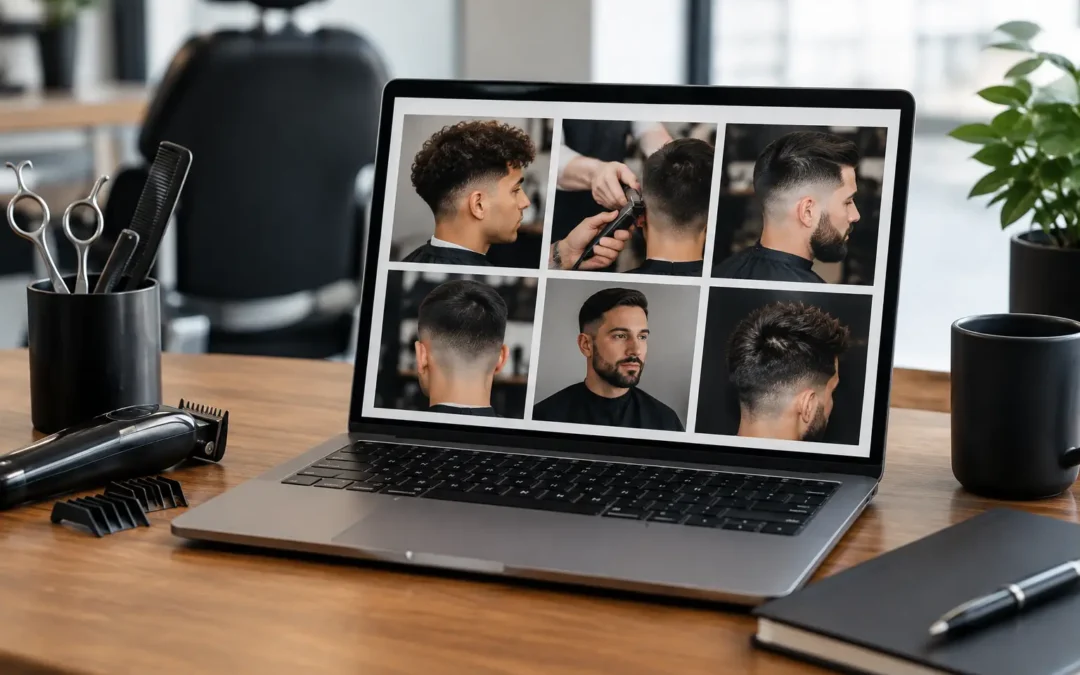
A strong fade can earn a compliment. A strong portfolio can earn an interview. Learning how to create a barber portfolio early gives you a professional way to show employers, clients, and potential mentors what your hands can do before they ever sit in your chair.
For aspiring barbers, your portfolio is more than a gallery of haircuts. It is proof of your technical range, attention to detail, client care, and growing professional identity. Whether you are applying to a barbershop, building a freelance clientele, or preparing for your first role after training, the right portfolio helps people picture you as a confident, client-ready barber.
Start With the Work You Want to Be Known For
Do not wait until graduation or your first job to begin documenting your work. Start with every cut that reflects your best effort, then become more selective as your skills improve. A portfolio should show your progress, but it should lead with work that meets the standard you want employers and clients to expect.
First, decide what kind of barber you want to become. You may be drawn to precision skin fades, classic scissor cuts, beard sculpting, textured crops, creative designs, or long-hair grooming. You do not have to choose one specialty immediately, but a clear point of view makes your work more memorable.
Employers also want to see versatility. A portfolio made up of ten nearly identical low fades can show consistency, but it may not show whether you can consult with different clients or work with different hair types. Aim for a balanced collection that communicates both skill and range.
Include work such as:
- Skin, taper, and burst fades with clean blending
- Classic cuts, including side parts, pompadours, and scissor-over-comb work
- Textured cuts and modern styles for different hair densities
- Beard trims, lineups, and shaving services where permitted by your training and local regulations
- Cuts on clients with varied curl patterns, face shapes, ages, and style preferences
Quality matters more than volume. Eight excellent transformations will make a better first impression than 30 rushed photos.
How to Create a Barber Portfolio With Great Photos
Your technique deserves photos that show it clearly. You do not need an expensive camera to begin. A current smartphone, clean lighting, and a repeatable photo routine can produce polished results.
Take every finished photo in the same area of the shop or school clinic when possible. Choose a plain, uncluttered background and position the client where light reaches the haircut evenly. Natural window light can work well, while harsh overhead lighting may create shadows that hide the blend. If you use a ring light, keep it soft and balanced so the image still looks natural.
Capture the haircut from several useful angles: front, both sides, back, and a closer detail of the fade, lineup, or beard work. A full head-and-shoulders image helps viewers see the overall shape. Detail images demonstrate control around the temple, nape, ears, and neckline.
Before taking the photo, check the finishing work. Brush away loose hair, style the hair as the client prefers, clean the neck area, and make sure the cape or clothing looks tidy. These small details signal professionalism. They also reflect the standards that busy salons and barbershops expect from their team.
Always ask the client for permission before photographing or posting their image. Explain where the photo may appear, such as your portfolio, social media, or a job application. Respecting privacy is part of providing great service.
Use Before-and-After Photos With Purpose
Before-and-after images can be especially persuasive because they show the full impact of your work. They are ideal for major transformations, corrective cuts, beard reshaping, and style changes.
Keep the angle, lighting, and distance as similar as possible in both images. That makes the transformation easy to understand and keeps the focus on your workmanship rather than a flattering camera trick. Not every cut needs a before photo, so use them when they add value.
Show the Thinking Behind Each Service
A barber portfolio should not feel anonymous. A brief caption turns a good image into evidence of professional judgment. It shows that you understand the consultation, the tools, and the technical decisions behind the finished result.
For each featured cut, include the client’s goal, the service performed, and one or two techniques that mattered. For example: “Client requested a low taper that kept length and movement on top. Built the blend from a #1 guard into scissor-over-comb work and finished with a natural neckline.”
Keep captions short, accurate, and easy to scan. Avoid claiming you used a technique if you are still learning it, and never hide a heavily edited image behind vague language. Employers value honesty because they need to know where you can work independently and where you may need coaching.
You can also include your name, professional contact information, location or service area, and relevant credentials. If you are a student, say so with confidence. “Barbering student building experience through supervised client services” is clear, professional, and forward-looking.
Build Both a Digital and In-Person Version
A digital portfolio is essential because many employers will review your work before meeting you. A simple, organized social media page or digital presentation is enough to start. Use a professional handle, a clear profile photo, and a bio that states your barbering focus and contact method.
Organize your strongest work so it is easy to find. Pin or feature your best images first, and group similar services in highlights or albums if the platform allows it. Do not post every haircut simply to stay active. Your portfolio should be curated, not crowded.
It is also smart to keep an in-person version. Create a clean PDF or small presentation with 10 to 15 of your best images, your short introduction, and any relevant certifications. Bring it to interviews, networking events, and consultations. A physical or tablet-ready portfolio gives you something professional to discuss when conversation moves beyond your resume.
The best format depends on your goal. A social page may help attract local clients, while a concise PDF is often stronger for a hiring manager who wants to review your work quickly. Use both if you can, but keep the images and message consistent.
Make Your Portfolio Feel Client-Ready
Technical ability gets attention, but professionalism builds trust. Your portfolio should make someone feel confident that you can create a positive experience from consultation through finishing service.
Show clean workstation habits when they appear naturally in behind-the-scenes content. Include a short introduction that communicates your approach to listening, recommending styles, and helping clients maintain their cut at home. If you have received a client compliment or instructor feedback, use it only with permission and keep it specific.
Avoid common mistakes that can weaken great work: dark or blurry photos, distracting backgrounds, inconsistent editing, unfinished styles, and captions filled with slang or errors. You do not need to look like a large brand. You need to look prepared, reliable, and proud of your craft.
Update It as Your Skills Grow
Your portfolio is not a one-time school project. Review it every month or two. Replace older work when your cutting, blending, photography, or styling improves. This keeps your presentation current and gives you a record of the progress you are making.
Ask instructors, experienced barbers, and trusted peers for direct feedback. Instead of asking, “Do you like it?” ask, “Which cuts best show my strengths?” or “What would make this look more ready for a barbershop interview?” Specific questions lead to useful answers.
Hands-on training makes this process much easier. At The Beauty Academy, students develop their portfolios through practical work, instructor guidance, and experience serving real clients. Regular feedback helps turn each service into a stronger example of your technical ability and professional growth.
Bring Your Portfolio Into the Room
When you apply for a position, do not simply send your portfolio and hope it speaks for itself. Be ready to talk through two or three images that show your best work. Explain the client’s request, the challenge, your technique, and the result. This conversation reveals confidence, communication skills, and a willingness to keep learning.
A polished portfolio will not replace practice, licensing requirements, or a strong work ethic. What it can do is make your potential visible. Keep documenting the cuts that challenge you, improve your presentation one client at a time, and let your portfolio grow alongside the career you are building.