
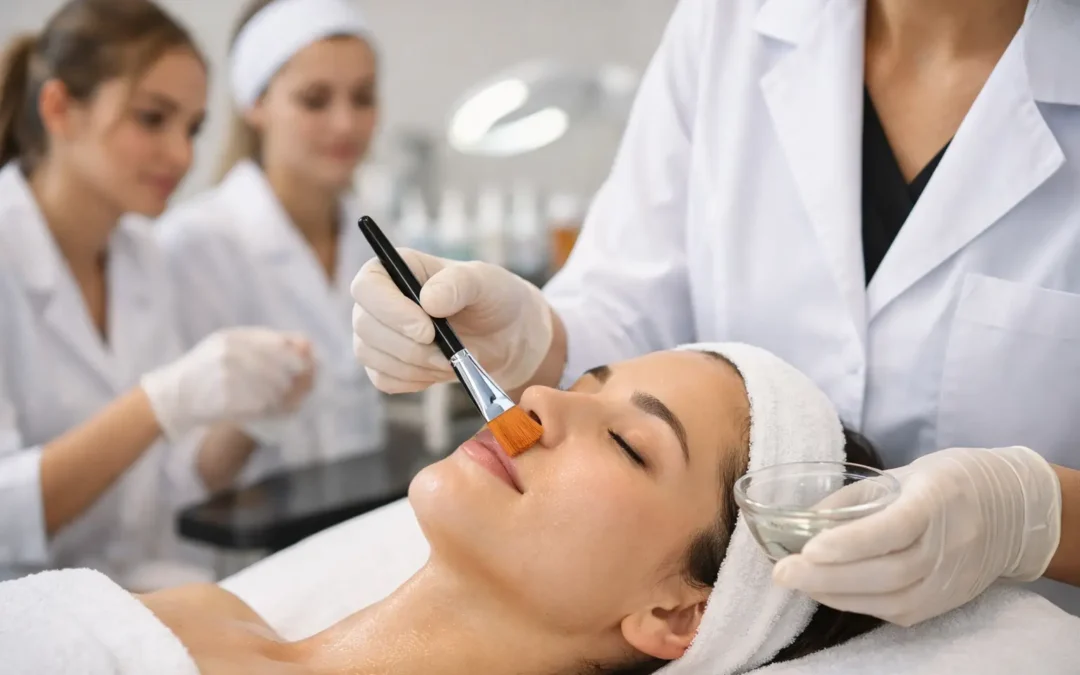
A chemical peel is never just a product application. In a professional setting, chemical peel techniques require consultation skills, skin analysis, precise protocol selection, and the judgment to know when not to proceed. For aspiring estheticians and medical spa professionals, that combination is what turns an in-demand service into a safe, confidence-building client experience.
Clients may ask for a brighter complexion, smoother texture, more even-looking tone, or support with the visible effects of breakouts and aging. Your role is not to promise a dramatic result from one appointment. It is to assess their goals, work within your training and scope of practice, and create a thoughtful treatment plan that puts skin health first.
Why Chemical Peel Training Matters
Chemical exfoliation is a highly valued service because it can be customized. The same broad category of treatment can look very different for a client seeking a refreshed appearance before an event and a client managing persistent congestion or discoloration. That flexibility also means professionals need more than product knowledge.
Strong training teaches you to recognize skin conditions, understand contraindications, communicate realistic expectations, and follow an established protocol every time. It also helps you build the professional habits employers value: sanitation, accurate documentation, client education, and calm decision-making.
In a salon, spa, or medical esthetics environment, clients are trusting you with their comfort and appearance. Hands-on education helps you develop the confidence to explain what a peel can do, what recovery may look like, and why a different service may be the better choice on a given day.
The Core Chemical Peel Techniques
The most effective approach is not about using the strongest available peel. It is about matching the technique, formulation, and treatment plan to the client in front of you. Professional education introduces the principles behind different peel depths and acid categories while reinforcing the limits of an esthetician’s scope.
Start with a thorough consultation
Every quality peel service begins before the client gets on the treatment bed. A consultation should cover skin goals, current home care, prior treatments, sensitivities, allergies, medications, and relevant health history. Recent exfoliation, waxing, sun exposure, certain prescriptions, or an impaired skin barrier may mean postponing the service.
This conversation is also where you set expectations. Clients should understand that visible flaking is not always the goal, that results develop over time, and that following aftercare instructions affects both comfort and outcomes. Clear communication protects the client and strengthens your reputation.
Analyze the skin before choosing a protocol
Skin analysis helps guide product selection and service intensity. You are looking at factors such as oil production, dehydration, visible irritation, congestion, pigmentation concerns, and the overall condition of the barrier. A client with resilient, oily skin may have different needs than someone with reactive, dry, or sensitized skin.
Professional chemical peel techniques use this information to choose an appropriate formula and treatment approach. The right decision may be a gentle superficial peel, a different exfoliation service, or no peel at all. Knowing when to adjust is a sign of expertise, not hesitation.
Prepare, apply, and observe with purpose
Preparation is part of the treatment, not a rushed step between cleansing and application. Proper cleansing, skin preparation, protection of sensitive areas, and clean setup support consistency and client safety. Product directions and school or workplace protocols should always guide the service.
During application, trained professionals work methodically, maintain awareness of timing, and observe how the skin responds. Client feedback matters, but visual assessment matters too. Excessive discomfort, unexpected redness, or other concerning reactions require prompt, appropriate action according to the product protocol and your level of training.
Technique is often associated with speed, but control is more valuable. A smooth, organized application, careful product handling, and a calm explanation of each stage can make the client feel secure while helping you deliver a more consistent service.
Finish with recovery-focused care
Post-peel care supports the treatment’s value long after the appointment ends. Depending on the service, clients may need soothing products, barrier-supportive hydration, and strict sun protection. They should also understand which active ingredients and exfoliating products to pause until the skin has recovered.
This is an opportunity to educate rather than overwhelm. Give clients clear, practical guidance in language they can follow at home. Advise them not to pick or manually remove peeling skin, and encourage them to contact the appropriate professional if they experience an unexpected reaction.
The Skill Behind Treatment Selection
A chemical peel is not a one-size-fits-all solution for acne, hyperpigmentation, fine lines, or texture. Skin tone, sensitivity, lifestyle, season, home-care routine, and treatment history all influence whether a peel is appropriate and how conservative the service should be.
For example, a client preparing for a vacation with heavy sun exposure may be better served by a gentler option or by rescheduling. Someone using strong active ingredients at home may need a modified plan. A client with active irritation may benefit from barrier-focused care before any exfoliation is considered.
This is why consultation and documentation are inseparable from technical ability. Detailed records help you track products used, skin response, recommendations, and future adjustments. They also help create continuity when a client returns for a series of services.
Safety, Scope, and Professional Standards
Chemical peel services exist across esthetics and medical esthetics settings, and the permitted products and procedures can vary by location, employer, licensing requirements, and professional scope. Students should never assume that a technique learned in one setting is automatically appropriate in another.
A career-focused education teaches you to respect these boundaries. Advanced treatments may require additional credentials, medical oversight, or referral to another qualified provider. That does not limit your career potential. It shows clients and employers that you understand professional responsibility.
Safety also depends on everyday habits: sanitizing tools and surfaces, checking product labels and expiration dates, using personal protective equipment when required, obtaining informed consent, and documenting every service. These details are not separate from client care. They are client care.
Building Confidence Through Hands-On Practice
Reading about acids and exfoliation can build foundational knowledge, but practical learning develops professional judgment. Students need opportunities to practice consultations, conduct skin analyses, prepare treatment spaces, communicate aftercare, and receive feedback from experienced instructors.
At The Beauty Academy, hands-on training is designed to help future professionals connect theory with real client service. Working in a supportive learning environment can help students refine their technique, ask questions in the moment, and develop the polished service habits that make a difference in a busy spa or salon.
Small details matter when you are building your reputation. How you welcome a nervous client, explain a treatment sensation, organize your station, or record their service can influence whether they feel comfortable booking again. Technical knowledge earns trust, but professionalism keeps it.
Turning a Treatment Skill Into a Career Advantage
Chemical peel knowledge can broaden the services you offer and support a more personalized client experience. It can also create opportunities to recommend complementary professional treatments and appropriate home-care routines without relying on pressure or unrealistic claims.
As you continue your education, focus on becoming the professional who asks thoughtful questions, makes careful recommendations, and keeps learning as products and standards evolve. Clients remember the result, but they also remember how safe, informed, and supported they felt in your care.
A strong foundation in chemical peel techniques gives you more than a service to add to a menu. It gives you the judgment to build trust, the confidence to serve clients responsibly, and a skill set that can move your esthetics career forward.