
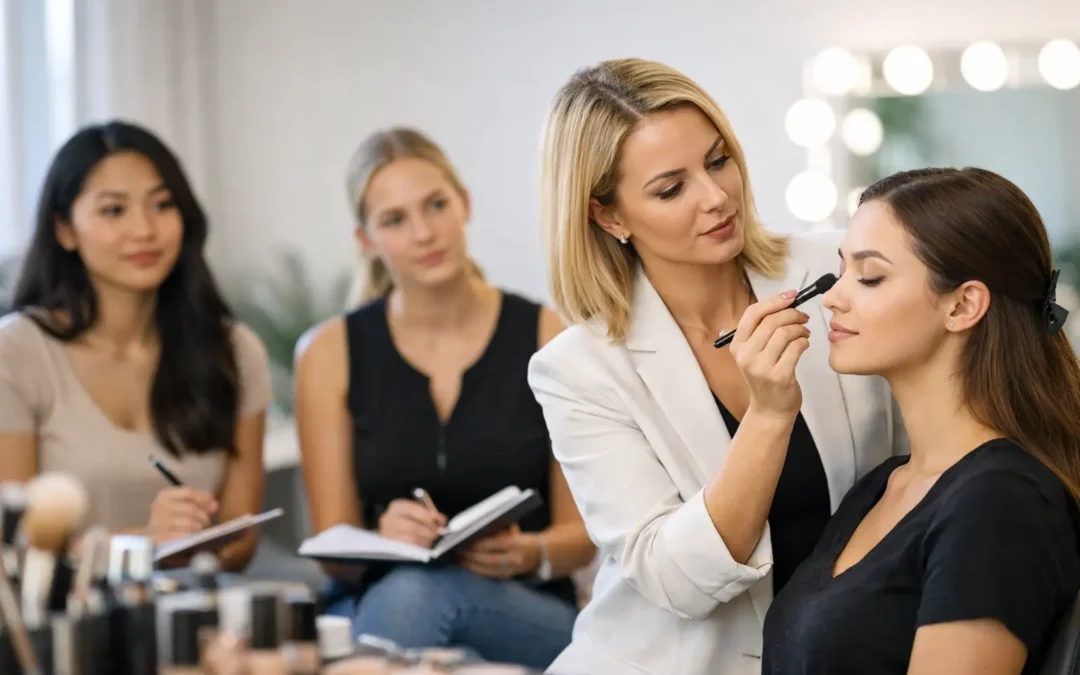
A crowded classroom can make beauty training feel like a spectator sport. You watch a demonstration, wait for feedback, and hope you get enough time at the chair or treatment bed to improve. The small class beauty education benefits are different: more hands-on practice, direct coaching, and the space to build professional confidence before your first day on the job.
For aspiring hairstylists, barbers, estheticians, and medical spa professionals, training is not just about learning terminology or passing a test. It is about developing technique, judgment, client communication, and the ability to perform under real service conditions. Small classes help turn those goals into daily habits.
Why small class beauty education benefits career starters
Beauty is a hands-on profession. You need to see how a haircut responds to texture, how a facial service changes with a client’s skin needs, and how to adjust when a color formula or treatment result does not go exactly as planned. Those skills develop through repetition and informed feedback, not by sitting at the back of a large lecture room.
In a smaller learning environment, instructors can spend more time observing how each student works. They can notice details that are easy to miss in a large class: body positioning, sectioning patterns, sanitation habits, product application, consultation language, or the pace of a service. Early correction matters because the techniques you repeat in school often become the foundation of your professional routine.
This personal attention can be especially valuable for students who are changing careers or returning to school after time away. You do not need to pretend you understand something just to keep up with the room. You can ask questions, practice again, and receive guidance that meets you at your current skill level.
More time to practice the work employers expect
Employers hire beauty professionals who can contribute to a salon, barbershop, spa, or medical aesthetics setting with confidence. That means more than knowing the steps of a service. It means being able to prepare your station, consult with a client, choose appropriate products, manage your timing, and maintain a polished experience from start to finish.
Small classes create more opportunities to practice these responsibilities. Instead of sharing limited equipment or waiting through long rotations, students can spend meaningful time developing their technical ability. That can include cutting, styling, coloring, shaving, skin analysis, waxing, facials, makeup application, advanced treatment protocols, and client-care procedures, depending on the program.
Practice also becomes more purposeful when an instructor can explain why one approach works better than another. A quick correction during a blowout or facial may seem small in the moment, but it can prevent a repeated mistake and help you work more efficiently later. Over time, those individual adjustments add up to stronger, more reliable service skills.
Learning by doing builds real confidence
Confidence in the beauty industry is earned through experience. It comes from completing a service successfully, receiving constructive feedback, improving your technique, and doing it again with greater control.
Smaller classes give students room to make mistakes in a supportive setting. That is not a weakness of training. It is one of its greatest advantages. A student who learns how to recover from an uneven blend, a challenging consultation, or a timing issue while supported by an experienced instructor is better prepared for the realities of professional work.
The goal is not perfection on the first attempt. The goal is progress, consistency, and the ability to think like a beauty professional.
Personal coaching supports every stage of growth
No two students arrive with the same experience. One person may have practiced hairstyling for years at home but need help with structured cutting techniques. Another may have strong academic skills but feel nervous speaking with clients. Someone entering esthetics may be excited about skincare but unfamiliar with the pace and presentation expected in a spa setting.
In a small class, instructors have a better opportunity to recognize those differences. They can challenge students who are ready for more advanced work while giving additional support to those who need to strengthen a core skill. This creates a more productive learning experience than a one-size-fits-all approach.
Personal coaching also helps students connect technical training with career direction. An instructor who sees your strengths can help you understand where you may thrive, whether that is creative color, precision barbering, bridal makeup, advanced skincare, client retail, or medical spa services. Your first role does not have to define your entire career, but focused training can help you begin with a clearer sense of direction.
Stronger communication starts in the classroom
Clients remember how a beauty professional makes them feel. Technical results matter, but so do listening skills, professionalism, clarity, and care. A successful consultation requires you to ask the right questions, manage expectations, explain services confidently, and make recommendations that suit the client’s goals.
Small classes offer more chances to practice those conversations. Students can receive feedback not only on what they do with their hands, but also on how they communicate before, during, and after a service. This is valuable because a quiet classroom exercise and a real client interaction can feel very different.
When instructors are accessible, students can learn how to handle common situations with professionalism: a client who is unsure what they want, a service that requires a realistic expectation, a concern about skin sensitivity, or a request that is not appropriate for the client’s hair or skin condition. Developing that judgment helps protect both the client experience and your professional reputation.
A better bridge from school to real clientele
The best beauty education reflects the standards of the industry students plan to enter. Modern tools, current techniques, sanitation practices, and exposure to real clientele all matter because they make training feel relevant to the workplace.
A smaller class can make client-based learning more effective. Instructors have greater capacity to supervise services closely, answer questions in the moment, and help students maintain quality from consultation through checkout. Students gain experience working with different hair types, textures, skin concerns, personal styles, and service goals rather than practicing only on mannequins or classmates.
Real-client experience is where technical ability meets professionalism. You learn to stay composed, manage time, maintain your work area, and deliver a service you are proud to stand behind. These are the habits that help new graduates make a strong impression with employers and future clients.
Small classes are not a substitute for effort
A low student-to-teacher ratio creates opportunity, but it does not replace commitment. Students still need to show up prepared, accept feedback, practice consistently, and take responsibility for their growth. The strongest results come when personal instruction meets personal drive.
It also depends on what the school does with its smaller setting. A small class without experienced instructors, updated equipment, hands-on services, or career-focused curriculum will not automatically prepare someone for employment. Look for a program that combines individual attention with relevant technical training and clear expectations for professional performance.
Choosing a training environment that invests in you
When comparing beauty schools, ask more than how long a program takes. Ask how often you will work directly with instructors, how much hands-on practice you will receive, whether you will serve real clients, and how the curriculum reflects current salon and spa expectations.
You should also consider the atmosphere. Beauty education should feel challenging, encouraging, and connected to your future. The right school will hold you to professional standards while giving you the support to reach them.
At The Beauty Academy, small class sizes are designed to give aspiring professionals the attention, practice, and industry-focused guidance they need to build career-ready skills. Whether your goal is hairstyling, barbering, esthetics, or medical spa services, your education should help you move forward with ability and belief in what you can achieve.
Your next career move deserves more than a seat in a crowded room. Choose training where your questions are heard, your technique is seen, and your progress has room to become something clients and employers can trust.