
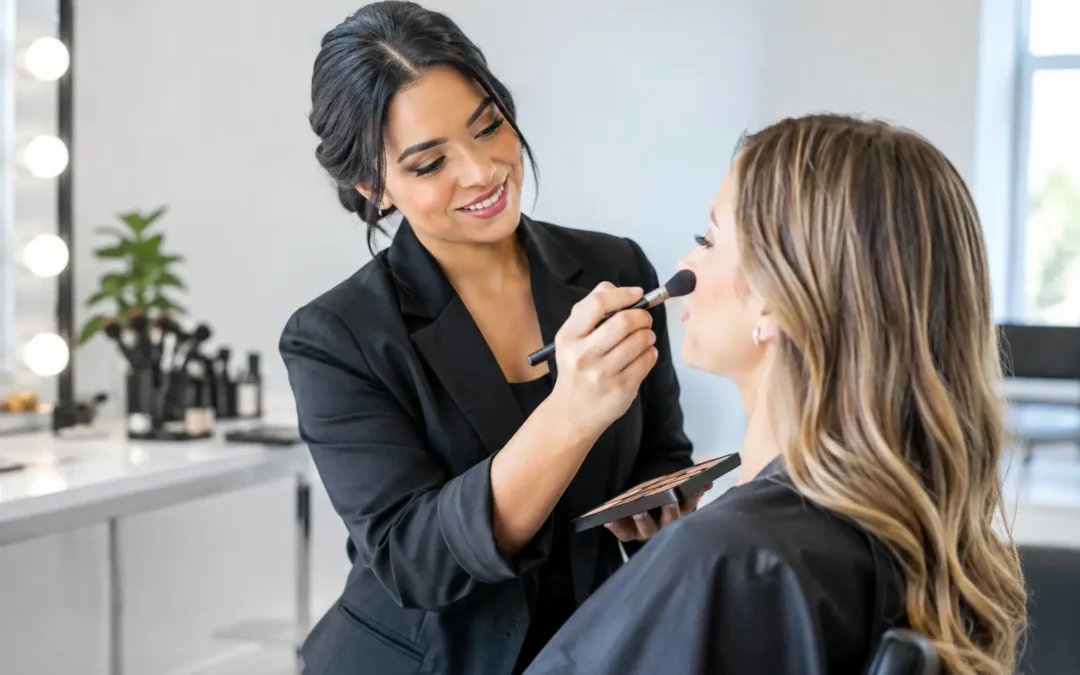
A great haircut can change how someone walks out the door. A precise facial, a clean fade, or a thoughtfully designed treatment can give a client confidence before a wedding, interview, or ordinary Tuesday. That is what makes beauty careers more than creative work. They are people-centered professions built on skill, trust, and the satisfaction of seeing your work make a real difference.
For students who want a career with energy, flexibility, and room to grow, the beauty industry offers more than one path. The right choice depends on what motivates you, the type of services you want to provide, and how you want your days to look.
Why Beauty Careers Continue to Attract Ambitious Students
Beauty is a service industry, but it is also a relationship industry. Clients return because they trust a professional who listens, understands their goals, and delivers consistent results. That makes technical ability essential, but it also makes communication, professionalism, and confidence part of the job.
Many people are drawn to beauty because it offers a different kind of workday. Instead of sitting behind a desk, you may be creating a new hair color, performing a skin treatment, shaping a beard, preparing a client for a special event, or consulting on a personalized home-care routine. The work is hands-on, creative, and always connected to people.
There is also meaningful career mobility. A strong foundation can lead to work in salons, barbershops, spas, wellness clinics, medical spas, retail education, brand representation, management, or entrepreneurship. Some professionals eventually become educators, open their own studios, or build a loyal independent clientele.
That opportunity does not mean every path looks the same. Income can vary based on location, schedule, service mix, experience, and client retention. Building a reputation takes commitment. The professionals who succeed are usually the ones who keep learning, show up prepared, and treat every appointment as a chance to earn trust.
Four Beauty Career Paths to Consider
Hairstyling: Creative Work With Lasting Client Relationships
Hairstyling can be a strong fit for people who love transformation, color, styling, and personal connection. A hairstylist may cut, color, texture, style, and recommend products while helping clients maintain healthy hair between visits. No two appointments are exactly alike, which keeps the work engaging.
Success in hairstyling requires more than an eye for trends. You need to understand consultation, sanitation, product knowledge, time management, and how to work with a wide range of hair types and goals. Hands-on practice matters because confidence with tools comes from repetition, feedback, and real client experience.
Over time, hairstylists may specialize in color correction, extensions, textured hair, bridal styling, editorial work, or salon leadership. For students who enjoy both artistry and long-term client relationships, this field offers a wide range of possibilities.
Barbering: Precision, Technique, and Community
Barbering is built on detail. Fades, tapers, beard design, razor work, and classic cuts require control, consistency, and a sharp eye. It is an ideal path for students who enjoy technical skill and the focused satisfaction of refining a look through careful work.
A barbershop can also become a community hub. Clients often return on a regular schedule, creating a chance to build genuine rapport and a dependable book of business. That consistency can be rewarding, but it must be earned through excellent service, punctuality, and professionalism.
Modern barbering blends traditional foundations with current style. Training should prepare students to work with clippers, shears, styling tools, sanitation practices, consultations, and diverse client needs. The more versatile your skill set, the more prepared you will be to meet employer and client expectations.
Esthetics: Skin Knowledge Meets Personalized Care
Esthetics is a compelling option for students interested in skin health, self-care, and service experiences that help clients feel refreshed and confident. Depending on local scope-of-practice rules, estheticians may provide facials, hair removal, makeup application, body treatments, and product guidance.
The best estheticians combine a calm, professional presence with strong technical knowledge. They learn to assess skin concerns, explain services clearly, maintain hygienic treatment spaces, and recommend appropriate care without making unrealistic promises. Clients value professionals who are attentive, knowledgeable, and respectful of their individual needs.
Esthetics can lead to opportunities in day spas, resorts, salons, skincare retail, wellness settings, or independent studios. It can also be a valuable starting point for professionals who want to pursue more advanced skin-focused education.
Medical Spa Services: A Specialized, Fast-Moving Direction
Medical spa services appeal to students who are interested in the intersection of esthetics, technology, and advanced client care. Medical spa environments may involve specialized skin treatments and equipment-based services performed within the rules, supervision requirements, and role limitations that apply in the local jurisdiction.
This is a field where current education matters. Technology, treatment protocols, product lines, and safety expectations can change quickly. Students need a clear understanding of what their credential permits, when to refer a client to another provider, and how to support safe, professional service delivery.
Medical spa training can be a strong choice for detail-oriented learners who enjoy skincare and want to work in a more specialized setting. It is not a shortcut to expertise. It requires strong fundamentals, careful judgment, and a commitment to continuing education.
What Makes Career Training Worth Your Time
Watching tutorials can spark inspiration, but professional readiness is developed through guided practice. A quality beauty education should give you time to perform services, make adjustments, ask questions, and learn from experienced instructors who understand current industry standards.
Look for training that balances theory with practical work. You need to understand sanitation, client consultation, anatomy or skin science where relevant, product knowledge, business basics, and local licensing expectations. Just as importantly, you need practice with the tools, timing, and client communication that employers notice from day one.
Small class sizes can make a meaningful difference. When instructors have time to observe your technique and provide direct feedback, you can correct habits before they become harder to change. Modern equipment and an updated curriculum also matter because your first job should not be the first time you encounter the tools and service standards used in the field.
At The Beauty Academy, career-focused training is designed to help students build confidence through hands-on practice, professional guidance, and exposure to real client expectations. The goal is not simply to complete a program. It is to leave prepared to contribute in a salon, barbershop, spa, or medical spa environment.
How to Choose the Right Direction for You
Start by paying attention to the work you naturally enjoy. If you are energized by color, cutting, and styling, hairstyling may be the right fit. If precision grooming and regular client routines appeal to you, barbering could be a better match. If you are drawn to skincare, relaxation, and treatment-based services, consider esthetics or a medical spa-focused path.
Then think about your preferred environment. A busy salon floor, a neighborhood barbershop, a quiet treatment room, and a medical spa each create a different pace and client experience. None is better than another. The best choice is the one that matches your strengths and the kind of professional life you want to build.
It also helps to consider the credential and licensing requirements where you plan to work. Requirements vary by location and service type, so choose a program that explains the path clearly and prepares you for the standards that apply to your intended career.
Build Skills That Keep Clients Coming Back
Technical training gets you started. Professional habits help you grow. Be punctual, keep your station organized, protect client comfort, listen carefully during consultations, and continue refining your craft. These details are often what turn a first-time visitor into a loyal client.
Your portfolio matters too. Document your best work with clear, well-lit photos, but let quality lead the way. A thoughtful consultation, a clean finish, and an honest recommendation will strengthen your reputation more than chasing every passing trend.
Beauty can be a lifelong career because there is always another technique to learn, another service to refine, and another client whose confidence you can help elevate. Choose training that challenges you, practice with purpose, and give yourself permission to start building the career you want one appointment at a time.