
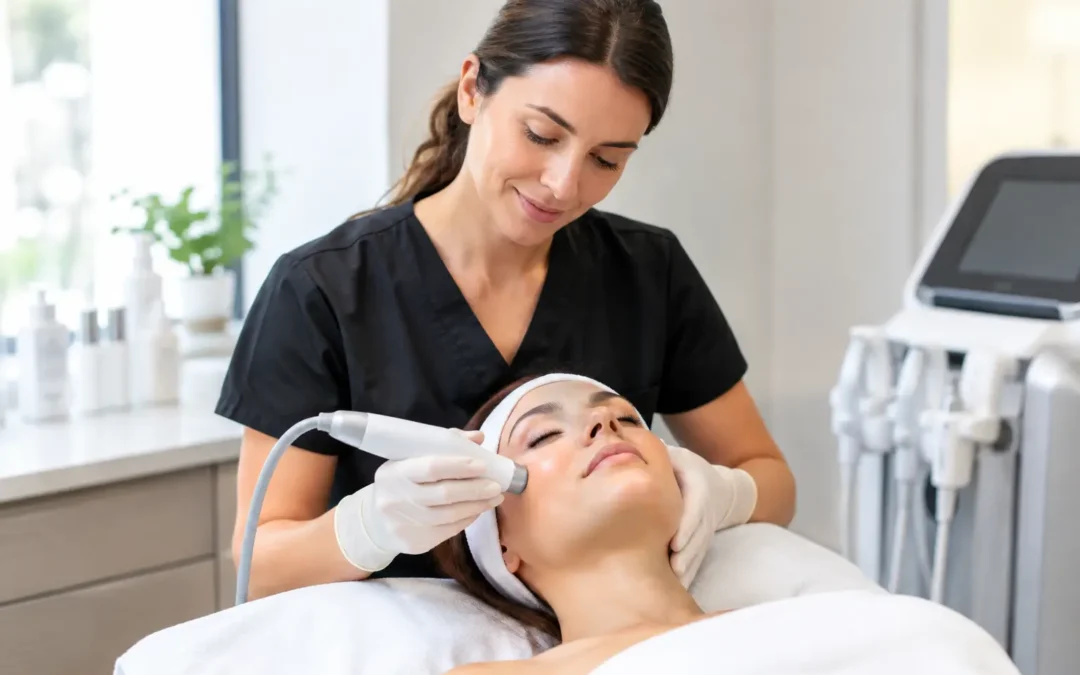
Medical spas are changing what clients expect from beauty services. They want visible results, thoughtful guidance, safe treatment experiences, and professionals who understand both advanced skincare and personal care. The future of medical spa careers belongs to practitioners who can deliver all of that with confidence, skill, and professionalism.
For aspiring estheticians and career changers, that creates a meaningful opportunity. Medical spa work can combine creativity, science-informed skincare knowledge, client relationships, and ongoing professional growth. It is also a field where hands-on training matters from day one.
Why Medical Spa Careers Continue to Grow
Clients are investing more intentionally in skin health, prevention, and services that help them feel confident in their appearance. Rather than booking a single facial before a special occasion, many now build regular treatment plans around concerns such as acne, texture, uneven tone, dehydration, and the visible effects of aging.
That shift supports demand for trained professionals who can conduct thoughtful consultations, recommend appropriate services within their scope, and create a welcoming experience that keeps clients returning. A medical spa is not simply a place for treatments. It is a relationship-based business where education, trust, and consistent results shape a client’s loyalty.
Career paths are expanding, too. Graduates may begin as medical estheticians or spa service providers, then move into senior treatment roles, client coordination, retail education, spa management, training, or entrepreneurship. The direction of a career often depends on personal strengths, local licensing requirements, and the type of environment a professional wants to work in.
The Future of Medical Spa Careers Requires More Than Trend Awareness
New skincare ingredients, treatment technologies, and social media trends arrive quickly. Knowing what is popular can help a professional start a conversation, but long-term success comes from understanding what is appropriate for each client.
A capable medical spa professional learns to look beyond a viral treatment. They consider skin condition, client goals, contraindications, aftercare needs, and the limits of their professional scope. This protects clients and helps build the credibility that employers and clients value.
Technology will continue to influence the field, from advanced skin analysis tools to treatment devices and digital consultation systems. Still, technology does not replace the person delivering the service. Clients need someone who can listen carefully, explain recommendations clearly, maintain sanitation standards, and make them feel respected throughout the appointment.
That is why human skills will remain a major advantage. Empathy, communication, professionalism, time management, and a calm presence can be just as important as technical ability. A treatment may bring a client through the door, but the experience is often what brings them back.
Hands-On Training Creates Career Confidence
Medical spa employers need more than students who can identify skincare terms in a textbook. They need professionals who can prepare a treatment room, perform services with care, communicate with real clients, follow hygiene protocols, and respond professionally when a service does not go exactly as planned.
Hands-on education builds that readiness. Repetition helps students develop proper technique, while instructor feedback helps them correct small details before those habits become harder to change. Working with different skin types, client preferences, and treatment goals also develops the judgment that cannot be gained through theory alone.
At The Beauty Academy, practical learning is designed to help students move from classroom knowledge to real-world confidence. Small class settings, experienced instruction, modern equipment, and exposure to client service give students an opportunity to practice the skills employers expect.
A strong program should also teach the business side of the profession. Consultation skills, retail recommendations, rebooking conversations, professional presentation, and client record management can influence career growth just as much as treatment knowledge. Medical spa professionals who understand the full client journey are better prepared to contribute to a successful workplace.
Specialization Can Shape Your Next Opportunity
As the industry grows, many professionals choose an area of focus. Specializing can help you become known for a particular strength, but it is often most valuable after building a solid foundation in core esthetics and client care.
Depending on local regulations and workplace policies, a professional may pursue advanced education related to corrective skincare, acne-focused services, chemical exfoliation, hair removal, body treatments, cosmetic retail, or medical spa coordination. The right path depends on the services available in your area and the work you genuinely enjoy.
There is a trade-off to consider. Specialization can help differentiate you in a competitive market, while broad foundational skills can create more flexibility early in your career. Many successful professionals do both: they begin with a versatile skill set, gain experience with clients, and then continue their education as their interests become clearer.
Licensing, Scope, and Safety Will Matter More, Not Less
Medical spa services sit at the intersection of beauty, wellness, and regulated care. Requirements for estheticians, medical estheticians, devices, supervision, and treatment permissions vary by location. A responsible professional understands that a service offered in one setting may require different credentials, training, or oversight somewhere else.
This is not a limitation on career potential. It is part of becoming a trusted professional. Employers look for team members who respect protocols, know when to seek guidance, maintain accurate documentation, and put client safety first.
Students should choose training that treats sanitation, consultation, contraindications, and professional boundaries as essential skills rather than background topics. Confidence should never mean guessing. It should mean knowing how to work responsibly, when to proceed, and when a client needs a different level of care.
How to Prepare for a Lasting Medical Spa Career
The strongest start is built on a combination of technical training, real practice, and a willingness to keep learning. The beauty industry rewards professionals who remain curious, open to feedback, and committed to improving their craft.
As you evaluate a medical esthetics program, look for evidence that it prepares you for the work itself. Consider whether students receive meaningful practical experience, whether instructors have current industry knowledge, and whether the curriculum reflects the services and client expectations found in modern spa settings. Personal attention matters, especially when you are learning detailed techniques that require close guidance.
It also helps to think beyond your first job. Ask yourself what kind of workday appeals to you. Do you enjoy building long-term client relationships? Are you drawn to advanced skincare education? Do you see yourself in a boutique spa, a larger medical spa team, a wellness setting, or eventually your own business? You do not need every answer before you begin, but a clear sense of direction can help you choose training that supports your goals.
A Career Built on Skill and Connection
The future will reward medical spa professionals who pair current knowledge with exceptional client care. Treatments and tools will evolve, but clients will always value someone who listens, works safely, explains the process, and helps them feel confident in their choices.
If you are ready for a career that blends hands-on skill with personal impact, this is a field with room to grow. Build your foundation well, practice with purpose, and keep developing the expertise that turns an interest in beauty into a career you can be proud of.