
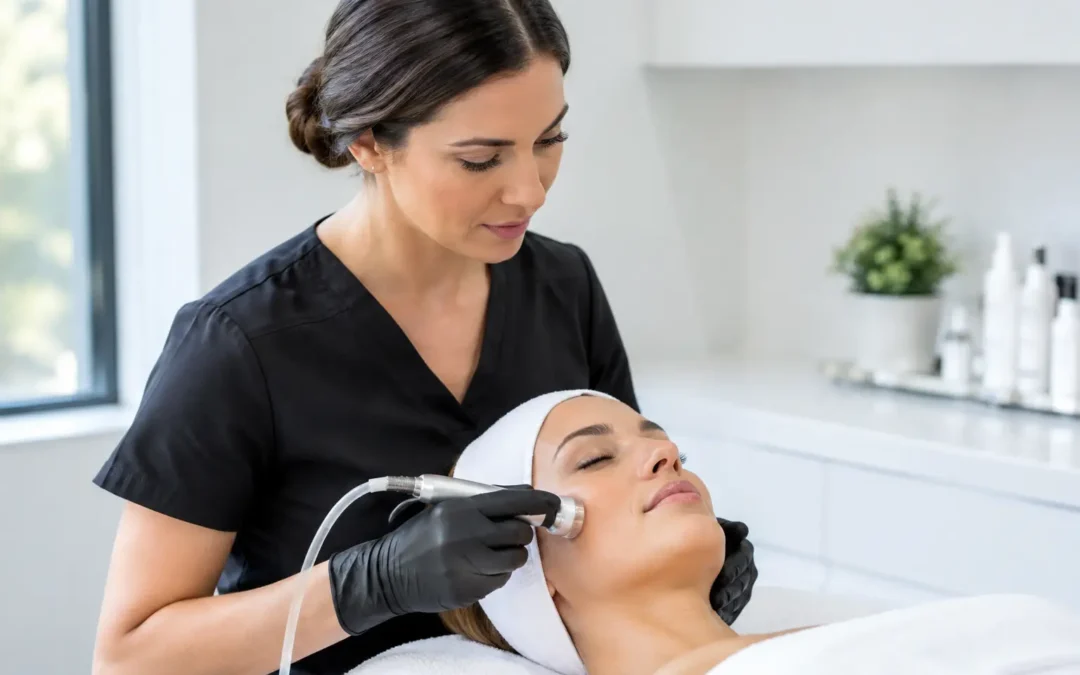
A client may arrive concerned about uneven texture, breakouts, pigmentation, or the visible effects of a busy life. A skilled professional sees more than a skincare concern. They listen carefully, assess responsibly, explain options clearly, and create an experience that helps the client feel informed and cared for. That is the standard medical esthetics professionals are trained to bring to a growing, results-focused field.
For students who want a hands-on career that combines skincare knowledge, technology, client service, and personal connection, medical esthetics can be a compelling path. It is creative, but it is also technical. Success comes from more than having an interest in beauty. It comes from building the practical skills, professional judgment, and confidence to work safely and effectively in a modern spa or clinic environment.
What Medical Esthetics Means in a Professional Setting
Medical esthetics focuses on advanced skincare services and treatments commonly offered in medical spas, skin clinics, wellness centers, and specialized esthetics businesses. Depending on the setting, services may include advanced facials, chemical exfoliation, microdermabrasion, hair removal, body treatments, light-based services, and other technology-supported skincare procedures.
The exact scope of practice, required credentials, and supervision requirements vary by province, state, employer, and treatment type. That distinction matters. A strong training program does not simply teach students how to perform a service. It teaches them how to recognize professional boundaries, follow sanitation protocols, complete consultations, maintain accurate client records, and know when a client should be referred to an appropriate medical professional.
This field is often confused with traditional esthetics, and the two areas do share a foundation. Both involve skin health, product knowledge, hair removal, facials, and exceptional client care. Medical esthetics builds on that foundation with more advanced modalities, deeper treatment knowledge, and preparation for clinical-style service environments.
Why Medical Esthetics Is a Career With Momentum
Clients are investing in services that help them maintain healthy-looking skin and feel more confident in their appearance. They also expect a higher level of professionalism than ever before. They want clear answers, clean and welcoming treatment spaces, personalized recommendations, and providers who make safety a priority.
That demand creates opportunity for trained professionals who can pair technical ability with a calm, polished client experience. Medical esthetics may lead to work in medical spas, dermatology-focused practices, beauty clinics, luxury spas, laser centers, wellness businesses, and retail settings that specialize in professional skincare. With experience, some professionals move into leadership, education, sales representation, business ownership, or advanced specialty services.
Career flexibility is one of the field’s strongest advantages. Some graduates prefer the energy of a busy medical spa, while others are drawn to boutique studios where they can build long-term client relationships. Hours can vary, and evenings or weekends are common in client-facing roles. For many people, that flexibility is a benefit. For others, it is a trade-off worth considering before choosing a path.
The Skills That Set Professionals Apart
A treatment device does not create a great professional. Training, judgment, and consistency do. Employers look for graduates who understand the full client journey, from the first consultation through aftercare and rebooking.
Skin Analysis and Consultation
Effective services begin before treatment starts. Professionals need to ask thoughtful questions about a client’s goals, skincare routine, sensitivities, lifestyle, and relevant health information. They learn to assess skin concerns, identify contraindications, set realistic expectations, and recommend services within their scope of practice.
This is where trust begins. Clients are more likely to return when they feel heard rather than rushed into a treatment or product purchase. Consultation skills also help professionals communicate honestly about what a service can and cannot achieve.
Technology, Technique, and Safety
Modern medical spa settings often use advanced equipment, but technology must be handled with care. Students need supervised practice with current tools, clear operating procedures, sanitation standards, protective protocols, and detailed aftercare guidance.
Hands-on education matters because technical confidence cannot be built through theory alone. Reading about treatment settings is different from preparing a treatment room, communicating with a real client, monitoring comfort, adjusting your approach when appropriate, and completing a service with professional attention to detail.
Client Experience and Business Awareness
The strongest professionals combine service expertise with the ability to build loyal relationships. This includes maintaining a clean workspace, managing time, documenting services, recommending home care responsibly, and creating a welcoming environment from the moment a client arrives.
Business awareness also supports long-term career growth. Understanding retail recommendations, service menus, retention, scheduling, and professional presentation can help graduates contribute more confidently to an employer’s success. It can also prepare them for future leadership or entrepreneurship.
What to Look for in Medical Esthetics Training
Choosing a school is a career decision, not just an enrollment decision. A polished classroom or a short course description is not enough. Prospective students should look closely at how the program prepares them for the real pace and expectations of the industry.
Start with practical training. The best learning happens when students have repeated opportunities to apply techniques under instructor guidance. Practice builds muscle memory, but it also develops professionalism: how to communicate, respond to client questions, stay organized, and maintain high standards when the day gets busy.
Small class sizes can make a meaningful difference. In a technical, client-focused program, students benefit from instructors who can observe their work closely, offer direct feedback, and help them improve before habits become difficult to change. Personal attention supports confidence, especially when students are learning new equipment or performing services for the first time.
Current curriculum is equally important. The beauty industry changes quickly, from treatment trends to product ingredients and equipment protocols. Training should reflect the skills employers seek now, not the standards of a previous decade. Ask about the tools students use, the treatment areas covered, opportunities to work with real clients, and the background of the instructors teaching the program.
At The Beauty Academy, career-focused learning is built around hands-on practice, experienced instructors, modern equipment, and the personal support students need to grow into capable professionals. The goal is not simply to complete a program. It is to leave prepared to succeed in a client-centered workplace.
A Day in the Life: What the Work Really Requires
Medical esthetics can be rewarding, but it is not passive work. A typical day may include preparing treatment rooms, reviewing client files, performing consultations, delivering services, sanitizing equipment, recommending home care, processing bookings, and maintaining a professional appearance throughout the day.
The work also requires emotional intelligence. Clients may be nervous, self-conscious, or unsure about what they need. A professional must be warm without overpromising, confident without being dismissive, and focused enough to follow protocols every time. Those habits protect clients, strengthen an employer’s reputation, and help create lasting careers.
Students who enjoy practical learning, detail-oriented work, and helping people feel their best often thrive in this environment. A passion for skincare is a great starting point, but reliability, patience, and a willingness to keep learning are what turn interest into expertise.
Build a Career Clients Can Trust
The most fulfilling beauty careers are built one client relationship at a time. Every thoughtful consultation, carefully performed treatment, and honest recommendation contributes to the reputation you create. That reputation can open doors to new roles, stronger income potential, and a career path that continues to evolve with your goals.
If medical esthetics feels like the right fit, choose training that challenges you, supports you, and gives you meaningful practice before you step into the industry. With skilled instruction and a commitment to your craft, you can build a career that helps clients feel confident while giving you the freedom to grow on your own terms.