
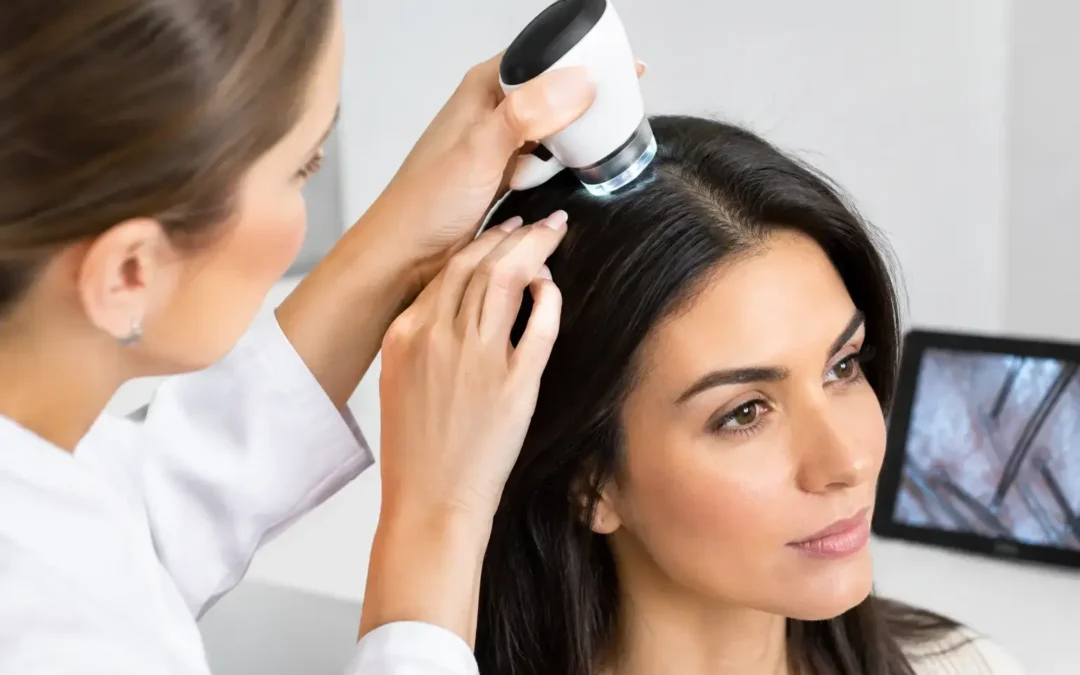
A great haircut, color service, or scalp treatment starts before the cape goes on. When you know how to perform scalp analysis, you can spot concerns that may affect the service, recommend care with confidence, and give clients the personalized experience they expect from a skilled beauty professional.
For aspiring hairstylists and barbers, this is not just a consultation step to rush through. It is a hands-on professional habit that protects the client experience, supports better technical decisions, and helps build the trust that brings clients back.
Why Scalp Analysis Matters in the Salon
The scalp is the foundation for healthy-looking hair. A client may arrive asking for a major color change, a close fade, extensions, or a blowout, but the scalp and hair condition can influence how you approach the appointment. Dryness, product buildup, irritation, excess oil, or visible flaking can all affect comfort, product selection, and the final result.
A thoughtful analysis also shows clients that you are paying attention to more than the service on their inspiration photo. You are considering their hair history, habits, comfort, and goals. That level of care helps turn a standard appointment into a professional consultation.
Scalp analysis does have limits. Stylists and barbers can observe cosmetic concerns and recommend appropriate salon care, but they should not diagnose medical conditions. If you notice severe redness, sores, unusual hair loss, swelling, bleeding, or signs of infection, pause the service when appropriate and encourage the client to speak with a qualified healthcare professional.
How to Perform Scalp Analysis Step by Step
A professional scalp analysis should feel calm, respectful, and conversational. Ask permission before touching the client’s hair or scalp, explain what you are checking, and use language they can understand. The goal is to collect useful information, not make the client feel self-conscious.
Start With a Focused Consultation
Begin by asking a few relevant questions before you examine the hair. Find out what the client wants from today’s appointment, what products they use at home, and whether they have experienced itching, tightness, sensitivity, flakes, or excess oil. Ask about recent chemical services, heat styling, protective styles, medications, and major lifestyle changes when they are relevant to the service.
Listen carefully to the client’s answers. Someone who shampoos daily and uses dry shampoo may have a different scalp condition than someone who shampoos once a week and regularly wears braids or extensions. There is no single “right” routine. Your job is to understand the pattern before making a recommendation.
Observe the Hair Before You Part It
Look at the hair as it naturally falls. Notice its density, texture, shine, movement, and overall appearance. Is the hair visibly oily near the roots? Does it appear dry or coated with product? Is there breakage around the hairline or crown? These observations help you connect the scalp assessment to the client’s service goals.
For example, heavy buildup may affect how evenly color lifts or deposits. A sensitive-looking scalp may call for a more cautious approach during a chemical service. Fine hair with visible scalp may simply reflect natural density, not a concern that needs correcting.
Section the Hair and Inspect the Scalp
Using clean hands and a tail comb, create small sections across the scalp. Check several areas rather than relying on one parting. Start at the hairline, then assess the top, crown, sides, and nape. The client’s concern may be concentrated in one area, while another part of the scalp appears completely healthy.
Look for the scalp’s overall appearance and condition. A healthy scalp commonly looks clean, balanced, and free from obvious irritation. You may observe dryness, flakes, redness, excess sebum, product residue, or sensitivity. Take note of whether the issue appears mild and temporary or widespread and persistent.
Avoid scratching or aggressively moving the scalp. Your touch should be light, controlled, and comfortable. If the client reports discomfort at any point, stop and ask what they are feeling.
Assess Scalp Mobility and Sensitivity
With the client’s permission, gently move the scalp using the pads of your fingers. This can help you assess tension and mobility while making the experience feel like part of a relaxing consultation. A tight scalp may be associated with styling habits, stress, or tension from certain hairstyles, but it should never be treated as a diagnosis.
Ask whether any areas feel tender, itchy, or sore. Sensitivity can influence how firmly you brush, shampoo, massage, or apply products. It can also help you determine whether a planned service should be adjusted or postponed.
Connect Your Findings to the Service
The strongest consultations lead to a clear, practical next step. If the scalp appears oily with visible buildup, you might recommend a clarifying approach before styling or discuss a more suitable cleansing routine. If the scalp looks dry, gentle hydration-focused products and less frequent use of harsh cleansing products may be appropriate.
For color services, be especially attentive to irritation, abrasions, and sensitivity. Chemical services should not be applied to a compromised scalp. Follow product instructions, complete required patch testing, and use your professional judgment. Client safety always matters more than fitting every requested service into one appointment.
What to Document After a Scalp Analysis
Professional habits create consistent results. After the consultation, make a brief note in the client record. Include relevant observations, products used, sensitivities mentioned, chemical service history, and recommendations you made. Keep your notes factual and respectful.
Documentation is valuable when a client returns weeks later and wants to adjust their routine or repeat a service. It also helps you deliver continuity when working in a busy salon environment. Small details, such as a client’s sensitivity near the hairline or preference for a lighter scalp massage, can make future appointments feel more personalized.
Common Scalp Analysis Mistakes to Avoid
New professionals sometimes make the mistake of looking only at the hair and skipping the scalp entirely. Others overstate what they see, using clinical language or making assumptions that are outside their scope. Both can weaken client trust.
Avoid making promises such as “this will fix your hair loss” or “you have a medical condition.” Instead, describe what you observe. You can say, “I can see some flaking and dryness around the crown,” then explain the salon-appropriate care you recommend. If the concern appears significant, be clear and kind: “Before we move forward with this service, I recommend checking with a healthcare professional.”
Another common mistake is treating every scalp the same. A client’s texture, styling routine, cultural practices, chemical history, and personal preferences all matter. Effective beauty professionals do not rely on one scripted recommendation. They assess, ask questions, and tailor their approach.
Build Your Consultation Skills Through Practice
Learning scalp analysis from a textbook is useful, but confidence comes from repeated, supervised practice. You need to see different scalp conditions, work with a variety of hair types and textures, and learn how to communicate recommendations professionally.
At The Beauty Academy, hands-on training helps future hairstylists and beauty professionals build the technical judgment clients expect. Working with modern tools, experienced instructors, and real salon scenarios prepares students to move from consultation to service with greater confidence.
Your ability to perform a careful scalp analysis may take only a few minutes, but its impact can last far beyond the appointment. Each respectful question, precise observation, and thoughtful recommendation helps you become the professional clients trust with their hair and their goals.