
Your first day of barber training should feel exciting, not like a scramble to find a missing comb or the right disinfectant. A thoughtful barber school supplies checklist helps you arrive prepared to practice, learn from feedback, and focus on building the habits clients and employers notice.
The good news is that you do not need to buy every professional tool on the market before class begins. Great training starts with reliable essentials, a clean and organized setup, and the willingness to learn how each tool performs in your hands. Your school may also provide a student kit or require specific brands, so always confirm program requirements before making major purchases.
Barber School Supplies Checklist: Start With Your Kit
Your core kit is the foundation of your practical training. These are the tools you will use repeatedly while learning fades, tapers, clipper-over-comb work, beard services, and client-ready finishing. Quality matters, but the most expensive option is not automatically the best choice for a student. Choose durable, professional-grade tools that feel comfortable and can be maintained properly.
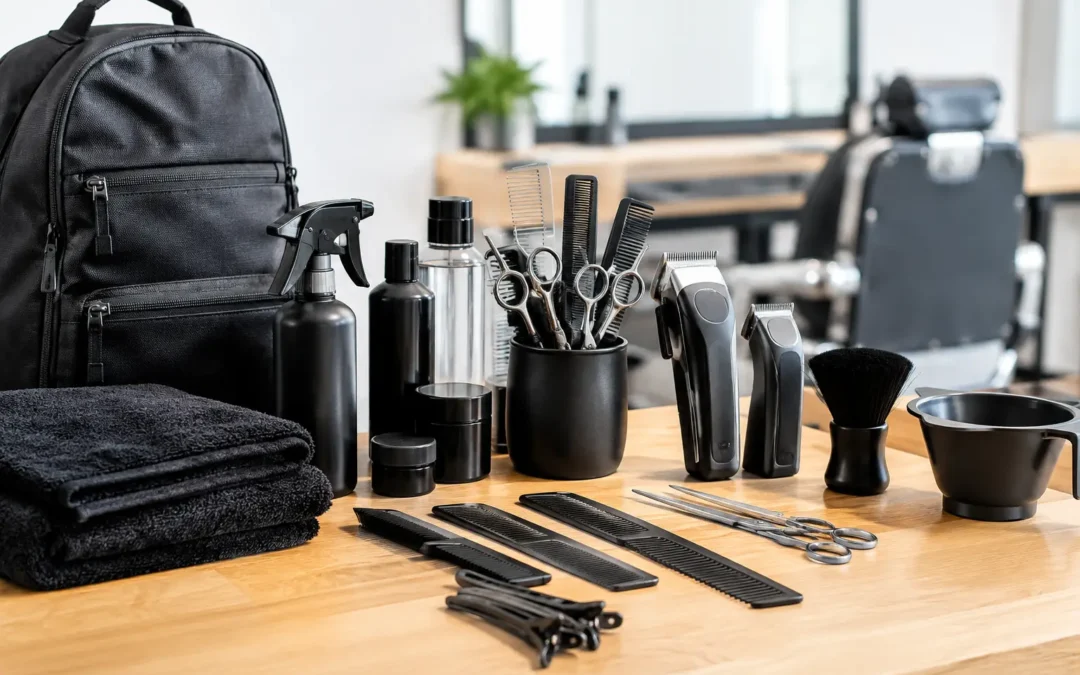
A complete starter kit commonly includes:
- Professional clippers with a full set of guards
- A detail trimmer for lineups, neckline work, and precise edges
- A foil shaver for close finishing where appropriate
- Barber shears and thinning shears
- A straight-razor holder and disposable blades, if included in your curriculum
- Cutting combs, wide-tooth combs, fading combs, and a tail comb
- Sectioning clips, a spray bottle, and a neck duster
- A barber cape, neck strips, and clean towels
- A blow dryer and basic styling brushes
- A tool bag or rolling case that protects your equipment
Clippers and trimmers deserve special attention because they will become an extension of your hand. Look for equipment with dependable power, easy-to-change blades, and guards that fit securely. Cordless tools offer freedom of movement, while corded models can provide consistent power through a busy practical session. Many students eventually use both, but starting with what your program recommends is a smart move.
Shears are equally personal. A comfortable pair with a balanced grip supports better control as you build your cutting technique. Avoid treating shears like general-purpose scissors. Store them safely, keep them clean and dry, and use them only for hair.
Sanitation Supplies Are Part of Professionalism
Barbering is a hands-on service career. Every client should be able to see that their comfort, safety, and well-being matter. Sanitation is not an add-on to your barber school supplies checklist. It is a core professional skill that supports trust from the first consultation to the final mirror check.
Keep the supplies required by your school and local regulations ready for every practical class. This often includes an approved disinfectant, a covered container for disinfecting combs and tools, a clipper-blade cleaning brush, clipper spray or blade wash, hand sanitizer, disposable gloves, and clean towels. You may also need a clearly labeled container for used tools and a separate area for sanitized tools.
Learn the difference between cleaning, disinfecting, and storing. Removing visible hair from a comb is necessary, but it is not the same as proper disinfection. Your instructors will teach the correct procedures and contact times for the products used in your program. Follow those procedures exactly. This discipline protects clients and helps you build the dependable reputation every successful barber needs.
Supplies for Client Practice and Daily Services
Barber school is where technical ability becomes service confidence. As you begin working with live models or guests, you will need items that support a polished, efficient experience. Think beyond the haircut itself: preparation, consultation, comfort, and finishing all shape how a client feels in your chair.
Keep neck strips, disposable razor blades, cotton, tissues, a cape, towels, and a neck duster within easy reach. Add a selection of school-approved styling products, such as pomade, texture powder, finishing spray, or beard product, as your training advances. Start small rather than purchasing every product type at once. The products you need will depend on the services your curriculum covers and the looks you are practicing.
A consultation card or notebook is also valuable. Record the guard lengths, blending approach, product choices, and client feedback from each service. Over time, those notes become a practical reference for techniques that worked well and adjustments you would make next time. Strong barbers do not rely on memory alone. They observe, document, and improve.
Personal Items That Make Training Easier
Long practical days call for preparation. A few simple personal supplies can make your training experience more comfortable and help you stay focused when the pace picks up.
Bring a water bottle, snacks if permitted, a small first-aid supply for minor personal needs, deodorant, and a change of clothes if your program schedule makes that useful. Wear comfortable closed-toe shoes with supportive soles. You may spend hours standing, moving around your station, and working with clients, so footwear is more than a style decision.
Choose professional clothing that lets you move freely and meets your school’s dress code. Dark, clean, well-fitted clothing is often practical because it presents a polished appearance and makes loose hair less noticeable. If you have long hair, keep it secured so it does not interfere with services or sanitation procedures.
How to Organize Your Barber School Kit
A well-organized kit saves time and makes you look prepared before you even begin a service. Create a consistent place for every item. Keep cutting tools protected, electrical tools secured, and sanitation products separated from clean implements and personal belongings.
At the end of each class, remove hair from clippers, combs, and your tool case. Clean and disinfect tools according to your program’s standards, recharge cordless equipment, check your blade condition, and restock disposable items. A five-minute reset at the end of the day can prevent a stressful morning later in the week.
It also helps to label your belongings. Barber school classrooms are active environments, and many students may have similar equipment. Clearly marked tools are easier to identify and less likely to be misplaced.
What Not to Buy Too Early
New students sometimes overbuy because barbering equipment is exciting. A premium collection of specialty clippers, multiple razor styles, and every trending product can wait until you understand the services you enjoy most and the clients you want to serve.
Hold off on duplicates until you know what your school kit contains. You may eventually want a backup clipper, extra shears, or a second trimmer for busy days, but these purchases make more sense after you have developed preferences. Your early investment should prioritize the tools required for class, safe sanitation, and consistent practice.
Build Career-Ready Habits From the Beginning
Your supplies matter because they support your skills, but your habits are what turn those skills into a career. Show up with clean tools, a stocked station, a professional attitude, and the openness to accept coaching. That is how students become barbers clients request by name.
At The Beauty Academy, hands-on learning and close instructor guidance help students connect classroom technique to real service standards. Whether you are preparing for your first practical session or refining your kit later in training, use every tool with purpose. The right supplies will support your progress, but your preparation, practice, and commitment will carry you toward the career you want.