
The first day behind a salon chair, barber station, or treatment bed should not feel like the first time you are expected to perform. Beauty school job readiness training helps turn classroom learning into the calm, capable professionalism employers and clients notice right away. It prepares you to deliver services, communicate clearly, manage your time, and represent yourself with confidence from the moment an opportunity arrives.
For aspiring beauty professionals, technical ability matters. But a beautiful blowout, precise fade, or polished facial is only part of the picture. Salons, spas, and medical esthetic settings also look for dependable team members who understand client care, sanitation, consultation, retail awareness, and the pace of a real appointment schedule.
What Job Readiness Means in Beauty School
Job readiness is the bridge between learning a service and building a career. It is the practical preparation that helps a student move from practicing under instruction to performing with consistency in a professional setting.
A career-focused beauty education should teach more than the steps of a haircut, color application, manicure, treatment, or shave. Students need repeated opportunities to work with different hair types, skin concerns, style preferences, and client personalities. They also need coaching on what happens before and after the service: greeting a guest, completing a consultation, maintaining a clean workspace, recommending appropriate home care, and ensuring the client feels valued.
This is why hands-on training is so valuable. Watching a demonstration can build understanding, but supervised practice builds judgment. You learn how to adjust when a client arrives late, changes their mind during a consultation, has a sensitive scalp, or needs a service recommendation that better fits their goals. Those moments develop the professional instincts that cannot be learned from a textbook alone.
Beauty School Job Readiness Training Starts With Real Practice
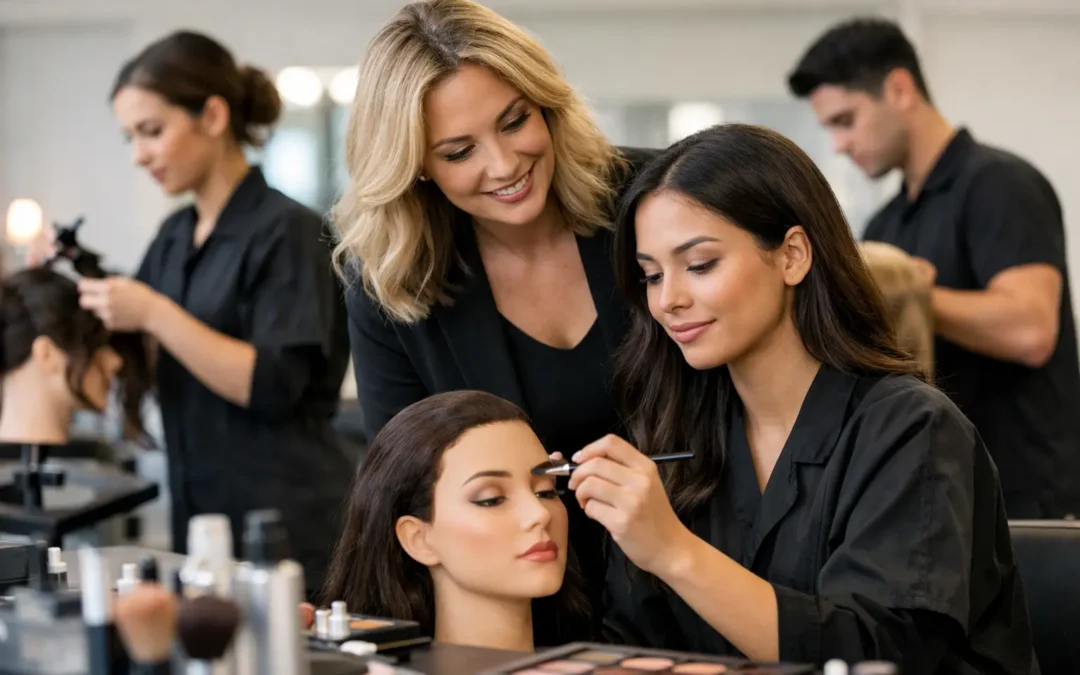
The strongest employment preparation happens when students practice in an environment that reflects the workplace they want to enter. Training with real clientele gives future professionals the chance to build both skill and composure while experienced instructors remain close by to guide, correct, and encourage.
In a student salon or clinic environment, every appointment has a purpose. A hairstyling student learns to section efficiently, stay organized, and create a finished look within an appropriate timeframe. A barbering student develops control, attention to detail, and confidence with consultations. Esthetics and medical esthetics students learn how to assess client needs, explain services professionally, and follow proper sanitation and treatment procedures.
Small class sizes make a meaningful difference here. Individual feedback is where good technique becomes reliable technique. An instructor can spot an inefficient hand position, an uneven blend, a missed consultation question, or a moment of hesitation before it becomes a habit. Students receive the personal attention needed to improve quickly while still developing their own professional style.
Modern equipment and current techniques matter, too. Employers want graduates who are familiar with the tools, products, and service expectations of contemporary salons and spas. The industry evolves through new color trends, advanced skincare approaches, changing guest expectations, and technology that affects booking, retail, and client communication. Training should keep pace with that reality.
The Professional Skills Employers Notice First
A portfolio may open a conversation, but professional habits often determine whether an employer sees someone as ready to hire. Beauty careers are built on trust. Clients return when they feel heard, respected, and confident in the person providing their service.
Client Consultation and Communication
A great consultation is not a script. It is a conversation that helps a professional understand the client’s goals, lifestyle, concerns, and expectations. Students should learn how to ask thoughtful questions, listen closely, explain realistic outcomes, and confirm the service plan before beginning.
Communication also means knowing how to manage expectations with care. A client may bring in a photo that requires multiple sessions, maintenance, or a different approach based on their hair or skin condition. The right response is never to overpromise. It is to provide honest guidance while helping the client feel excited about the best path forward.
Time Management and Service Flow
Speed without quality does not create a strong reputation. At the same time, professionals need to respect appointment times and keep the day moving. Job-ready students learn how to set up their station, sequence a service, clean as they go, and complete a polished finish without losing focus.
This skill develops through repetition. Early in training, a student may need extra time to complete a service correctly. That is expected. With ongoing practice and instructor feedback, they learn where to work more efficiently without rushing the client experience.
Cleanliness, Safety, and Professional Standards
Sanitation is a visible sign of professionalism. Clients notice clean tools, organized stations, fresh linens, and careful procedures. Employers do, too. Whether working in hairstyling, barbering, esthetics, or medical spa services, students need a clear understanding of hygiene, safety protocols, and responsible service practices.
Professional standards also include punctuality, dress, attitude, and accountability. These may sound simple, yet they are the habits that make someone easy to trust on a busy team. A talented student who arrives prepared, takes feedback well, and supports coworkers brings real value to a workplace.
Retail and Rebooking Confidence
Recommending products or future services should feel helpful, not pushy. When a professional understands a client’s needs, they can explain how the right shampoo, styling product, skincare routine, or maintenance schedule supports the results the client wants.
Students benefit from learning this approach early. It strengthens client care and helps prepare them for the business side of salon and spa work. The goal is not to pressure anyone. It is to offer informed recommendations that extend the value of the appointment.
Building Confidence Before the Interview
Confidence is not about pretending to know everything. It comes from being prepared, practicing consistently, and knowing how to respond when you need support. A job-ready graduate can speak about their training, describe the services they enjoy, show examples of their work, and explain how they approach client care.
A strong program should also help students think beyond graduation. That may include organizing a portfolio, preparing for interviews, practicing professional introductions, and understanding what different work environments expect. A busy barbershop, luxury day spa, independent salon suite, and medical esthetics clinic may each have different cultures and priorities.
There is no single right path after beauty school. Some graduates want to join an established team and learn from experienced professionals. Others may aim to specialize in color, fades, advanced skincare, lashes, or medical spa services. Some eventually move into management, education, or entrepreneurship. The best starting point depends on your goals, your strengths, and the kind of clients you want to serve.
Why Career-Focused Training Changes the Outcome
A diploma or certificate is an achievement, but its real value comes from what you are ready to do with it. Training that prioritizes employability gives students a stronger foundation because it connects every lesson to the workplace.
At The Beauty Academy, students learn in a supportive, hands-on environment designed to help them build practical ability and professional confidence. Instruction from experienced industry professionals, opportunities to work with clientele, and focused feedback can help students feel prepared to step forward with purpose.
The beauty industry rewards people who keep learning. Your first role is not the finish line. It is the beginning of a career where skill, consistency, and client relationships can create new opportunities over time. Choose training that challenges you to practice, supports you when you are learning, and helps you show employers that you are ready to contribute from day one.
When you can deliver a service with care, communicate with confidence, and make every client feel seen, you are not simply prepared for a job. You are prepared to build the career you imagined.