
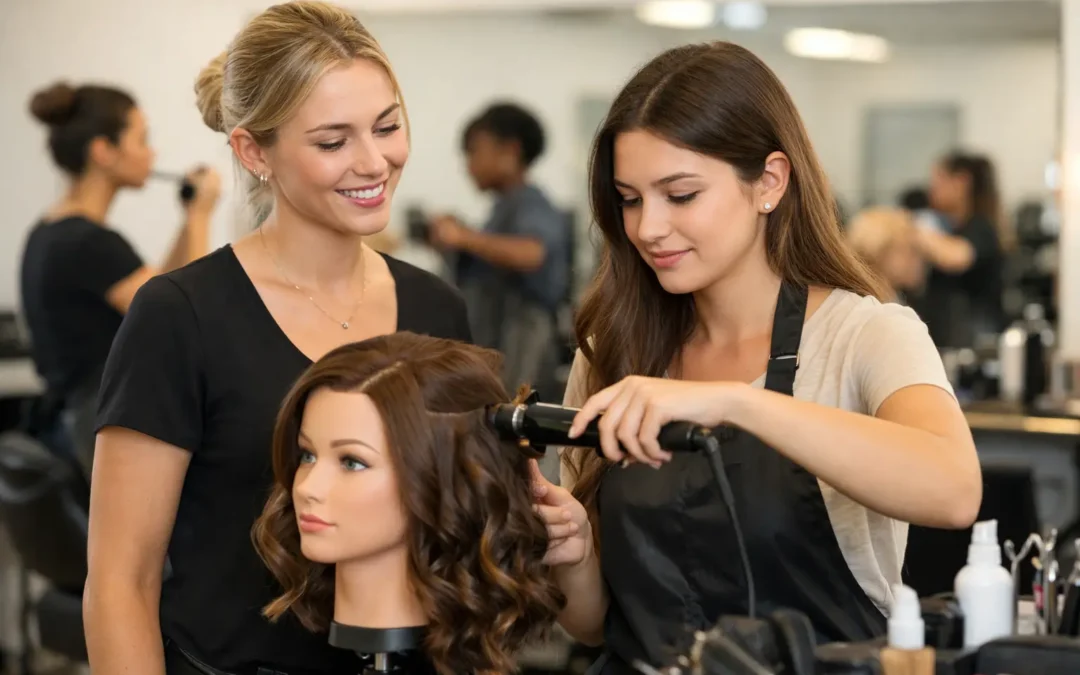
A beauty school is where creative interest becomes professional skill. If you can picture yourself creating a precision haircut, delivering a relaxing facial, shaping a polished beard, or helping clients feel confident in their appearance, the right training environment can turn that vision into a career you are prepared to pursue.
Beauty is a hands-on industry. Clients do not only expect a great result – they expect a professional who listens, works safely, understands current techniques, and creates an experience worth returning for. That is why choosing a school should be about more than finding a program that fits your schedule. It should be about finding training that gives you practice, support, and a clear path toward employment.
What a Beauty School Should Give You
A strong education blends foundational knowledge with repeated, supervised practice. You need to understand sanitation, consultation, product knowledge, skin or hair theory, and professional standards. Just as importantly, you need time to apply those lessons until your movements, timing, and confidence improve.
The best learning happens when instructors can see your work closely and give feedback while it matters. Small class sizes can make a meaningful difference here. Instead of waiting until the end of a service to learn what went wrong, you can adjust your sectioning, pressure, technique, or client communication in the moment.
Practice that feels like the real workplace
Watching a demonstration is useful. Performing the service yourself is where growth happens. Look for a program that moves students from mannequin work and guided practice into services with real clients when they are ready.
Client experience teaches lessons that cannot be fully replicated in a textbook. Every client has different hair texture, skin needs, expectations, comfort levels, and lifestyles. Learning to conduct a thoughtful consultation, recommend an appropriate service, manage your time, and respond professionally to feedback helps you build the judgment employers value.
This experience also makes the transition into a salon, barbershop, spa, or medical spa feel less intimidating. You graduate knowing how a service environment operates, not simply how a procedure is performed.
Instructors who know the industry
Beauty trends change quickly, but strong teaching remains rooted in professional standards. Experienced instructors bring real insight into what clients request, what employers look for, and which skills make a new professional stand out.
Ask how often curriculum and techniques are updated. A current program should reflect modern color services, cutting methods, skincare technologies, barbering trends, retail knowledge, and client care expectations. Training with professional-grade equipment also matters because familiarity builds confidence before your first job.
Choose the Path That Matches Your Strengths
The beauty industry offers room to build a career around your interests. Some students are drawn to transformation through hair, while others prefer the detail and wellness focus of skincare. The right program is one that helps you develop a marketable specialty while keeping future options open.
Hairstyling
Hairstyling is a strong choice for people who enjoy creativity, personal connection, and variety. Training can include cutting, coloring, styling, texture services, treatments, consultations, and salon operations. A hairstylist may work in a salon, build an independent clientele, specialize in color or extensions, work in editorial settings, or eventually move into education or management.
Barbering
Barbering combines technical precision with a loyal client experience. Students learn cutting, fading, shaving, beard grooming, styling, sanitation, and the communication skills that keep clients coming back. It is an excellent path for people who appreciate detail, consistency, and the community atmosphere of a barbershop.
Esthetics
Esthetics is ideal for those interested in skin health, relaxation, and personalized care. Programs may cover facials, hair removal, makeup, body treatments, product knowledge, and spa practices. Success in esthetics comes from technical skill, but also from understanding client goals and creating a calm, professional experience.
Medical Esthetics and Medical Spa Services
Medical esthetics and medical spa services can be a natural next step for professionals who want to work in advanced skincare environments. These areas often involve technology-focused treatments, deeper product knowledge, and close attention to safety protocols and scope of practice.
Requirements and permitted services vary by location, employer, credential, and professional regulations. A career-focused school should be clear about what its training prepares you to do, which certifications may be required, and how the program aligns with local industry expectations.
Why Real Client Experience Changes Your Confidence
A service can look simple when an instructor performs it. The real challenge is putting multiple skills together while a client is in your chair or treatment room. You are managing technique, hygiene, time, comfort, consultation, and the final result at once.
That is why practical client exposure is such a valuable part of beauty education. It gives you the chance to make decisions with instructor guidance, learn how to recover from small challenges, and discover the professional habits that create trust. You begin to understand that a successful appointment is not only about the finished look. It is about whether the client felt heard, respected, and excited to return.
For future employers, this type of experience can signal that you are ready to contribute. You may still be early in your career, but you will have practiced working within the pace and expectations of a professional setting.
Questions to Ask When Visiting a Beauty School
A campus tour should help you picture yourself learning there. Pay attention to the energy of the classrooms, the cleanliness of the student salon or spa, the equipment students use, and how instructors interact with learners. Come prepared with questions that reveal how the school supports career readiness.
Ask about these areas during your visit:
- How much supervised hands-on practice will I receive before graduation?
- When do students begin working with real clients, and how is that work supervised?
- What is the average student-to-teacher ratio in practical classes?
- How often is the curriculum updated to reflect industry techniques and tools?
- What career preparation, employer connections, or job-search guidance is available after training?
You should also ask what is included in tuition. Kits, textbooks, uniforms, certification fees, and supplies can affect the total investment. The lowest price is not always the best value if it limits practical hours, equipment access, or personalized instruction.
Think Beyond Graduation Day
A beauty education should prepare you for more than completing a program. It should help you enter the field with a professional mindset. That means knowing how to welcome a client, recommend home care appropriately, maintain a clean workspace, build repeat business, and continue improving your craft.
Your first position may not be your final destination, and that is a strength of this industry. A salon assistant can grow into a sought-after stylist. An esthetician can develop a specialized treatment focus. A barber can build a personal brand and open a shop. With experience, many beauty professionals move into management, education, entrepreneurship, sales, or advanced services.
The Beauty Academy supports students who want practical training, personal attention, and a career-focused foundation in Ontario’s beauty industry. The goal is not simply to teach services. It is to help students develop the skill, professionalism, and confidence to build a dream career.
Your career begins with a decision to take your talent seriously. Visit a school, ask direct questions, and choose the place where you can practice with purpose, learn from professionals, and see yourself becoming the beauty expert clients trust.