
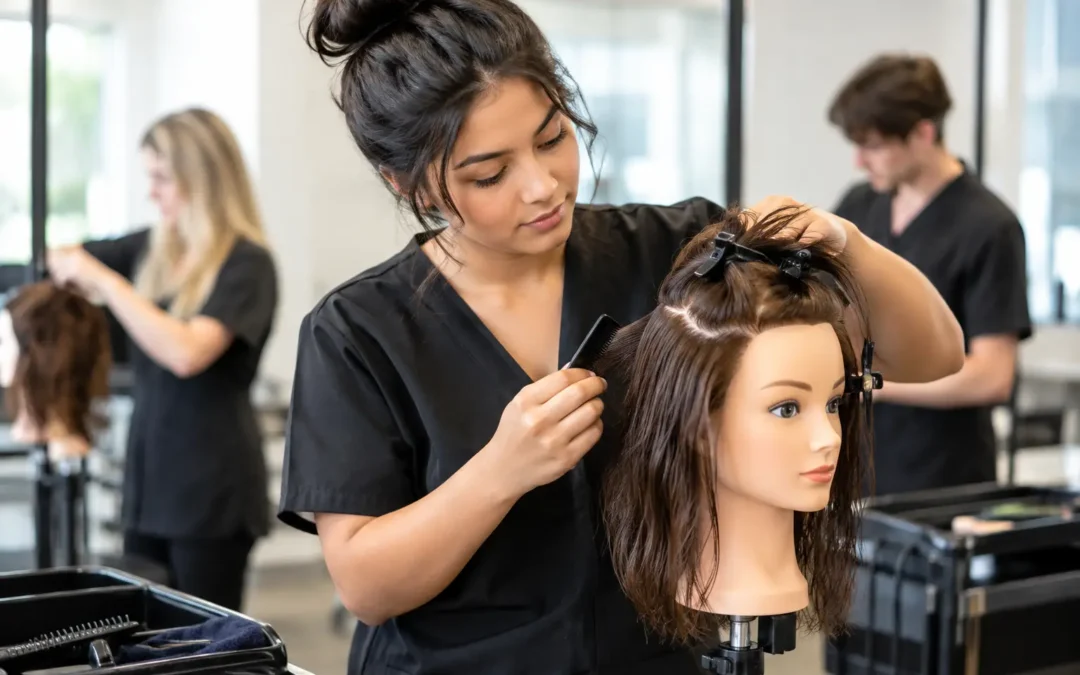
A facial service, haircut, color application, or chemical treatment can feel like a major milestone when you are learning the craft. It is also real client-facing work. So, do cosmetology students need insurance? The honest answer is: sometimes, and the details depend on your school, your state, your training setting, and whether you are working beyond the classroom.
Insurance may not be the most exciting part of building a beauty career, but understanding it early is a smart professional move. The goal is not to create fear around hands-on learning. It is to help you train with confidence, know who is responsible for what, and be prepared as you move from student services to paid work.
Do Cosmetology Students Need Insurance?
Many cosmetology students are covered by an insurance policy held by their school while they perform approved services under instructor supervision. This is common in student clinics, salon floors, and practical lab environments where services are part of an accredited program.
However, school coverage is not automatic everywhere, and it may come with limits. A policy might apply only during scheduled class hours, only on campus, or only when a licensed instructor is directly supervising the service. It may not extend to freelance appointments, work at an outside salon, mobile services, or practicing on friends at home.
That distinction matters. As a student, you should never assume that coverage follows you wherever you take your kit. Ask your admissions team or program director what protection is included, what situations are excluded, and whether you need your own student policy. Clear answers are part of choosing career-focused training that prepares you for the real expectations of the industry.
Why Insurance Matters During Hands-On Training
Beauty services involve more than creativity and technique. You may work with heat tools, sharp implements, chemical products, skincare devices, wax, dyes, and products used close to a client’s eyes and skin. Even with excellent instruction and careful sanitation, an unexpected reaction or accident can happen.
For example, a client could experience an allergic reaction after a color service, a minor burn from a styling tool, skin irritation following a treatment, or damage to personal property during an appointment. Insurance is designed to help address claims related to these situations, depending on the policy and circumstances.
It also supports professional confidence. When students understand consultation procedures, patch testing, contraindications, sanitation, consent, and documentation, they begin developing the habits employers expect. Insurance does not replace careful work. It reinforces the responsibility that comes with serving the public.
Coverage You May Encounter as a Student
The names and terms vary by insurer, school, and state, but cosmetology students commonly hear about a few types of coverage.
School-provided liability coverage
A beauty school may carry general and professional liability insurance for its facility, instructors, and supervised student services. General liability can address accidents on the premises, while professional liability may relate to claims involving the beauty service itself.
Before enrolling, ask whether student services are specifically included. Also ask whether the policy covers all practical program areas. A policy that supports basic hairstyling services may not apply in exactly the same way to advanced esthetics, laser-related education, medical spa environments, or other specialized treatments.
Student professional liability insurance
Some students choose to purchase their own professional liability policy. This can be a practical option if the school requires it, if you are completing an internship or externship, or if you are building experience outside the campus setting.
Student policies are often more affordable than policies for established professionals, but price should not be the only factor. Review the covered services, coverage limits, exclusions, geographic restrictions, and whether the policy applies while you are still unlicensed. If a policy is unclear, ask the provider for a written explanation before relying on it.
Salon or employer coverage
Once you begin working in a salon, spa, or barbershop, the business may have insurance that covers the operation. Still, you should not assume that employer coverage fully protects every individual service provider. Policies differ, and some employers expect independent contractors, booth renters, or freelancers to carry their own coverage.
This becomes especially relevant as your career grows. The freedom to work independently, offer mobile services, or rent a chair can be exciting, but it also means taking greater responsibility for your business protections.
When Personal Insurance Is More Likely to Be Necessary
Personal insurance is worth serious consideration when you provide services outside of your school’s approved training environment. That could include assisting at an event, taking independent clients, completing an off-site placement, working from home where legally permitted, or beginning paid work after graduation.
It can also be valuable if you plan to specialize. Esthetics and medical spa services may involve advanced products, devices, or procedures with stricter training and regulatory requirements. Coverage for a basic service does not necessarily include every specialty you may want to offer later.
Your licensing status matters too. In the United States, cosmetology rules are set at the state level, and requirements can differ significantly. A student permit, apprentice registration, temporary license, or full professional license may affect what services you can perform, where you can perform them, and what supervision is required. Insurance is only one part of the picture. You must also follow your state board’s rules and the policies of your school or workplace.
Questions to Ask Before You Start Client Services
You do not need to become an insurance expert before your first practical class. You do need to be comfortable asking direct questions. Before working on clients, make sure you can get clear answers to these points:
- Is liability coverage included in my tuition or program fees?
- Does it cover supervised services performed in the student clinic?
- Are there limits for specific services, products, or devices?
- Does coverage apply during internships, externships, competitions, or off-site events?
- What happens if I begin offering services independently?
- Does the program require proof of personal insurance at any stage?
These questions are not a sign that you expect something to go wrong. They show that you are taking your future seriously. A quality training environment should make it easy to understand the safety standards, supervision, and professional expectations behind your practical education.
Insurance Is Only One Part of Client Protection
A policy is valuable, but strong student training begins long before an insurance question arises. The best protection is consistent, well-supervised practice supported by modern equipment, accurate product knowledge, and instructors who correct technique in real time.
That includes learning how to conduct a thoughtful consultation, identify contraindications, perform patch or strand tests when appropriate, keep workstations clean, use tools safely, and communicate honestly with clients about realistic results. It also means knowing when to pause a service and ask an instructor for support.
At The Beauty Academy, hands-on education is designed to help students develop this kind of professional judgment alongside technical skill. Small class settings and experienced instruction can make a meaningful difference when you are learning how to work carefully, confidently, and client-first.
Building the Habits of a Trusted Beauty Professional
The transition from student to beauty professional is not just about passing exams or completing service hours. It is about becoming someone clients and employers trust. Insurance awareness belongs in that larger mindset, alongside sanitation, continuing education, client communication, and ethical service practices.
If your school provides coverage, understand its boundaries and use the training environment wisely. If you need personal insurance, compare policies carefully and choose coverage that aligns with the services you are legally allowed and properly trained to perform. Most of all, do not let the topic distract you from the opportunity ahead. The right education, supervision, and professional habits can help you build your dream career prepared to serve clients with skill and confidence.