
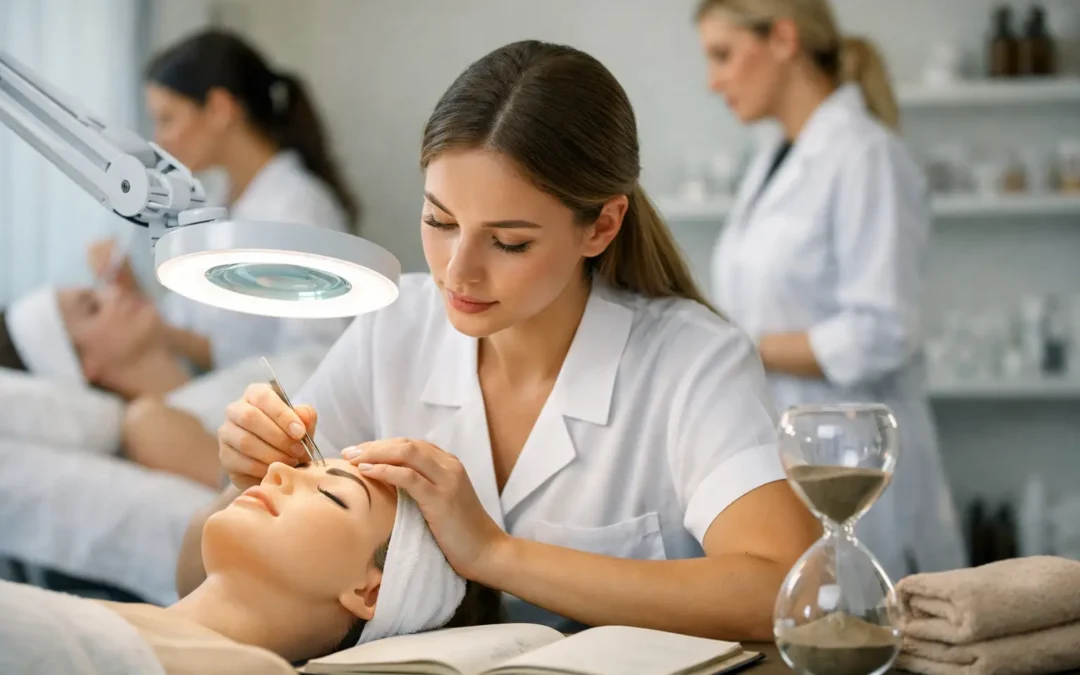
A beautiful career can begin sooner than many people expect, but the right training should never feel rushed. If you are asking, how long are esthetics courses?, the answer depends on the credential you want, the schedule you can commit to, and the level of practical experience included in the program.
For aspiring estheticians in Ontario, course length is more than a calendar question. It affects how prepared you feel working with clients, how quickly you can enter the job market, and whether your education supports the specialty you hope to pursue. A quality program gives you enough time to build technique, confidence, professionalism, and real service experience.
How Long Are Esthetics Courses? The Short Answer
Esthetics courses can range from a few weeks for a focused certification to several months for a career-focused diploma program. Full esthetics programs often run for approximately six to 12 months, depending on whether you study full time, part time, or through a schedule designed for working adults.
Shorter courses are usually intended for students who already have foundational training and want to add a specific skill, such as lash services, advanced facials, waxing, or makeup application. A comprehensive esthetics diploma takes longer because it prepares students to perform a wider range of salon and spa services safely, professionally, and consistently.
The fastest route is not always the strongest route. A shorter program may fit your immediate goals, while a longer hands-on diploma can give you a more versatile foundation for employment and future specialization.
What You Learn During an Esthetics Program
The length of an esthetics course reflects what you need to learn before serving paying clients. Estheticians do far more than apply products or perform relaxing treatments. They assess skin needs, maintain sanitation standards, communicate professionally, recommend appropriate services, and create an experience clients want to repeat.
A well-rounded program commonly includes skin analysis, facials, hair removal, manicures and pedicures, makeup, body treatments, product knowledge, sanitation, client consultation, and business fundamentals. You may also study anatomy, skin conditions, contraindications, and safe treatment procedures.
Each skill needs more than a demonstration. You need repeated practice until your movements are controlled, your timing is efficient, and your client communication feels natural. That is why hands-on education matters so much. Reading about a facial protocol is one thing. Completing it on a real client, adapting to their skin concerns, and receiving instructor feedback is where professional confidence begins.
Practical Training Adds Real Value
Programs with a student salon or spa environment may take more time than theory-heavy courses, but that added experience is valuable. Working with real clientele teaches you how to conduct consultations, manage appointment timing, maintain a polished service area, and deliver consistent results.
It also helps you understand the human side of the profession. Every client has different goals, comfort levels, skin types, and expectations. Learning to listen carefully and recommend services responsibly is part of becoming prepared to succeed.
At The Beauty Academy, small class sizes and instruction from experienced beauty professionals support the kind of personal feedback that helps students turn classroom learning into career-ready ability.
Full-Time, Part-Time, and Flexible Course Lengths
Your schedule can change how long it takes to complete esthetics training. Full-time students generally finish sooner because they complete theory and practical hours at a concentrated pace. This option can be a strong fit for recent high school graduates, career changers ready to focus on school, or anyone eager to enter the workforce quickly.
Part-time training may take longer, but it can make a new career more accessible. Many adult learners balance education with employment, family responsibilities, or other commitments. A program that accommodates those realities can be the right choice, even if the finish line is a little farther away.
When comparing schedules, look beyond the number of months. Ask how many instructional hours are included, how often you will practice, whether practical work is supervised, and how much time is devoted to clients. A six-month course with meaningful clinic experience may offer better preparation than a shorter course with limited opportunities to perform services.
Esthetics Diploma vs. Specialty Certificate
Choosing between a diploma and a certificate starts with your career goal. If you want to work as an esthetician in a salon, day spa, resort, wellness center, or medical spa setting, a comprehensive diploma is typically the better starting point. It helps you graduate with a broader service menu and more career flexibility.
A specialty certificate is often best for a focused next step. For example, a professional who already works in beauty may take a short course to add a treatment, refresh a technique, or move into a niche service category. These programs can be completed quickly because they build on existing knowledge rather than starting from the beginning.
Medical esthetics may require additional training beyond a general esthetics diploma. Advanced treatments, technology-based services, and medical spa procedures demand specialized education, clear safety protocols, and an understanding of professional scope. If this is your goal, ask whether your first program creates a strong pathway into advanced education.
Why Course Length Should Not Be Your Only Deciding Factor
It is smart to consider time and tuition when choosing a school. But an esthetics program is an investment in your ability to build client trust and earn a living from your skills. The most valuable program is not simply the one you finish first. It is the one that gives you confidence when a client sits in your chair on your first day of work.
Look for current curriculum, modern equipment, opportunities to work with clients, and instructors who understand what employers expect. Low student-to-teacher ratios can make a meaningful difference, especially when you are learning detailed services that require precise technique and sanitation.
You should also consider where the program can take you after graduation. Esthetics can lead to positions in salons, spas, hotels, wellness clinics, retail education, and medical spa environments. With experience, some professionals move into management, brand education, entrepreneurship, or advanced service specialties. A broad foundation keeps more of those doors open.
Questions to Ask Before You Enroll
Before committing to an esthetics course, ask the school how long the program takes under your preferred schedule and what happens if you need flexibility along the way. Find out how much of the program is hands-on, whether you will practice on real clients, and what types of equipment and products you will use.
Ask about instructor experience and class size as well. Personalized coaching can help you correct small mistakes before they become habits. You may also want to ask how the school supports career readiness, including professional conduct, resume guidance, interview preparation, and awareness of employer expectations.
Finally, be clear about your own vision. Do you want to offer facials and waxing in a day spa? Are you interested in makeup artistry, nail services, or advanced skin treatments? Do you hope to own a studio one day? The answers can help you choose a program length that matches your ambition rather than someone else’s timeline.
Your Career Timeline Starts With the Right Foundation
For many students, completing esthetics training in several months is an exciting and realistic way to move toward a creative, people-focused profession. Yet the real goal is not just to finish a course. It is to graduate with the knowledge, practiced skill, and professional presence to make clients feel cared for from their first appointment.
Choose training that gives your talent room to grow. When your education includes hands-on practice, supportive instruction, and exposure to real salon and spa standards, every hour spent learning becomes part of the career you are building.