
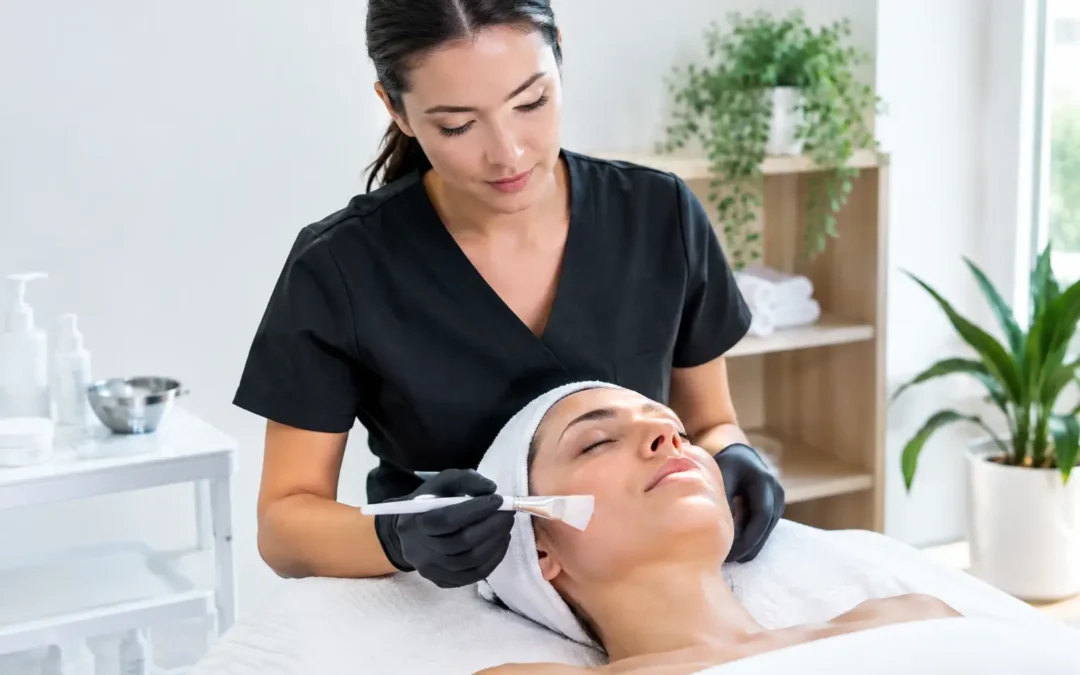
A career in esthetics starts long before your first facial, brow service, or skincare consultation. Learning how to train for esthetics means choosing education that gives you more than product knowledge. You need practical technique, client confidence, professional habits, and a clear understanding of what salons, spas, and wellness businesses expect from new talent.
Esthetics is a creative, people-focused field with room to grow. Whether you are finishing high school, changing careers, or ready to turn a passion for skincare into a profession, the right training can help you build skills that clients trust and employers value.
Start With a Clear Career Goal
Esthetics can lead to many different work environments. Some graduates pursue roles in day spas, salons, resort spas, wellness clinics, or beauty retail. Others build independent service businesses or continue into advanced areas such as medical esthetics, laser services, or spa management.
Your career goal should shape the training you choose. If you want to focus on classic spa services, a strong esthetics diploma should teach the foundation: skin analysis, facials, hair removal, makeup, manicures and pedicures, sanitation, and client care. If your long-term goal is to work in a medical spa environment, look for opportunities to continue your education with advanced certifications after you have built those essential skills.
You do not need every career decision mapped out before you begin. You do need a program that keeps your options open and prepares you to succeed in a professional setting.
Choose Hands-On Esthetics Education
The most effective way to train for esthetics is through structured, hands-on education. Watching demonstrations and reading about skin types are valuable, but esthetics is learned through practice. You need repeated opportunities to perform services, refine your touch, manage timing, and communicate with real people.
Look for a school where practical training is a central part of the curriculum, not an afterthought. Small class sizes can make a meaningful difference because instructors have more time to correct technique, answer questions, and help you grow at your own pace. Individual feedback builds confidence faster than trying to figure out every detail on your own.
Training with modern equipment and current products matters, too. Beauty services change as new ingredients, technologies, and client preferences enter the market. A career-focused program should teach the techniques employers and clients recognize today while giving you the professional foundation to adapt tomorrow.
Learn the Theory Behind Every Service
Great estheticians do more than follow steps. They understand why a service is appropriate for a particular client. That requires education in skin structure, common skin concerns, contraindications, sanitation, ingredient awareness, and consultation practices.
Theory helps you make safer, more informed decisions. For example, a client’s sensitivity, medication use, recent treatments, or skin condition may affect which service is suitable. Knowing when to adjust a treatment or recommend another option is part of becoming a trusted professional.
The goal is not to memorize a script. It is to develop the judgment that makes clients feel cared for and confident in your recommendations.
Practice on Real Clients When You Are Ready
Student clinic experience is one of the most valuable parts of esthetics training. It introduces the reality of working with different skin types, personalities, expectations, and service needs. You learn how to welcome a client, complete a consultation, prepare your station, deliver the service, recommend home care, and maintain a professional experience from start to finish.
Working with real clientele also teaches adaptability. A textbook model does not ask last-minute questions, arrive late, or have a skincare history you need to navigate thoughtfully. Real client experience helps you stay calm, organized, and service-focused in situations you will encounter throughout your career.
At The Beauty Academy, hands-on learning is designed to help students move from classroom knowledge to industry-ready confidence. That bridge between education and client service can make your first job feel far less intimidating.
Build the Professional Skills Employers Notice
Technical ability matters, but it is only part of the picture. Employers often look for estheticians who are dependable, polished, coachable, and comfortable creating a positive client experience.
During training, treat every practical session as preparation for your future workplace. Arrive on time, maintain a clean station, follow sanitation standards, listen carefully to feedback, and practice professional communication. These habits show up in interviews, client reviews, rebooking rates, and long-term career growth.
Retail knowledge is another useful skill. Recommending products should never feel pushy. When you understand a client’s goals and explain how a product supports their treatment plan, you are providing better care. Many salons and spas value team members who can educate clients with honesty and confidence.
Understand Licensing and Local Requirements
Requirements for esthetics careers vary by location. Depending on where you plan to work, you may need to complete a recognized training program, meet a required number of training hours, pass an examination, or follow specific regulations for certain services.
Before enrolling, check the rules that apply in the state or province where you want to work. This is especially important if you plan to move, offer advanced services, or pursue medical spa work later. Regulations can differ significantly, and a reputable school should be able to explain how its program supports your path toward professional practice.
It is also wise to ask what credentials you will receive at graduation and whether the curriculum includes the services you want to offer. The right program should provide clarity, not confusion, about what comes next.
Continue Training as Your Career Grows
Your first esthetics credential is the beginning of your education, not the finish line. The strongest beauty professionals keep learning throughout their careers. Continuing education can help you expand into advanced skincare, chemical exfoliation, microneedling, laser-related services where permitted, lash and brow specialties, makeup artistry, or medical spa services.
The best next step depends on the career you want to build. A new graduate may benefit most from perfecting foundational services and becoming confident with clients. An experienced esthetician may be ready to add a specialty that creates new earning opportunities. There is no single timeline, but ongoing education helps you stay current and competitive.
Choose advanced courses carefully. Look for training that includes safety, consultation, practical application, and guidance from experienced instructors. A certificate is valuable when it represents real capability, not just attendance.
Prepare for Your First Esthetics Job
As graduation approaches, begin thinking like a working professional. Create a simple portfolio of your best work, including before-and-after photos where appropriate and with client permission. Practice explaining the services you perform, the skin concerns you can address within your scope, and the kind of client experience you want to provide.
Your first role may not be your forever role, and that is completely normal. A spa position can teach you speed, consistency, rebooking, and teamwork. A salon may give you experience with a fast-paced service environment. Retail can strengthen your product knowledge and consultation skills. Each setting offers lessons that can support your next move.
When interviewing, show that you are ready to learn. Employers appreciate graduates who bring solid technical training, a professional attitude, and genuine enthusiasm for client care. Confidence is not about pretending to know everything. It is about knowing your foundation is strong and being willing to keep improving.
Train for a Career You Can Grow With
Esthetics offers a meaningful blend of creativity, science, service, and entrepreneurship. It can give you the flexibility to work with people, develop specialized expertise, and create a career path that evolves with your goals. The right education gives you a place to practice, make mistakes safely, receive expert feedback, and discover the professional you can become.
Choose training that challenges you, supports you, and puts practical experience at the center of your education. Every treatment you practice and every client conversation you learn to handle is a step toward building a career that feels as rewarding as it looks.