
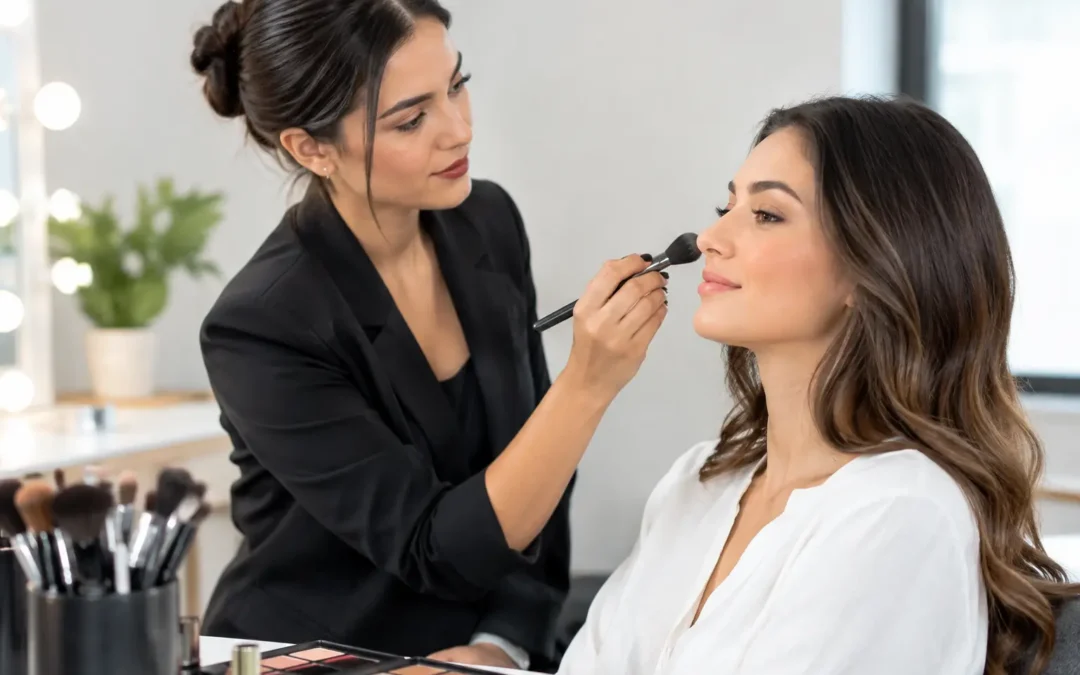
A great makeup application can look effortless, but professional results are built through preparation, technique, and repetition. This professional makeup artistry guide is for aspiring artists who want to turn a creative interest into a career they can grow with confidence.
Makeup artistry is more than knowing which foundation looks good in a photo. Working professionals assess skin, listen carefully, manage time, maintain sanitation standards, and create looks that suit real people with different features, tones, ages, and expectations. Those skills are what help an artist earn trust, receive referrals, and feel prepared for salon, spa, bridal, retail, editorial, or freelance opportunities.
What Professional Makeup Artistry Really Requires
Professional makeup artists combine creativity with service. A client may arrive with a saved inspiration image, but it is the artist’s job to interpret that request in a way that works for the client in the chair. That means considering skin type, facial structure, lighting, the event schedule, wardrobe, and how long the makeup needs to wear.
A soft-glam bridal look, for example, requires more than neutral shadows and glowing skin. It must photograph beautifully, hold up through emotion and movement, and still make the client feel like themselves. A makeup application for a special event may call for more definition, while a mature client may prefer a lighter finish that does not settle into texture. The ability to make these choices thoughtfully separates a practiced artist from someone who simply follows a trend.
Technical knowledge matters, but so does professionalism. Clients remember whether you were organized, calm, respectful, and prepared. They notice clean tools, clear communication, and whether you stayed on schedule. Talent gets attention. A reliable client experience builds a career.
The Core Skills in a Professional Makeup Artistry Guide
Every artist develops a personal style, but a strong foundation makes that style more versatile and employable. The goal is not to copy every look seen online. It is to understand why a technique works and when to adjust it.
Skin preparation and complexion matching
Beautiful makeup begins before foundation. Artists need to assess whether skin is dry, oily, dehydrated, sensitive, textured, or acne-prone, then choose preparation and product textures accordingly. A full-coverage foundation is not automatically the best answer. Sometimes targeted correction, strategic concealing, and a lighter base create a more natural, long-wearing result.
Color matching also takes trained observation. Undertone, depth, neck and chest color, and the event setting all influence the right foundation choice. An artist should know how to build coverage without creating a mask-like finish and how to set the complexion without removing dimension.
Eye, brow, and lash techniques
Eyes are one of the most requested areas of makeup, yet they are rarely one-size-fits-all. Hooded, deep-set, round, downturned, and monolid eye shapes all benefit from different placement and blending choices. A skilled artist adapts shadow shape, liner direction, and lash selection to enhance the client’s natural features rather than forcing one trend onto every face.
Brows require the same restraint. The right brow can frame the face, but an overly heavy or mismatched shape can distract from the entire look. Learning to map, fill, soften, and set brows with balance is a valuable skill for both everyday beauty and polished event makeup.
Color theory and facial balance
Color theory helps artists make intentional choices. Warm and cool tones, complementary shades, and color correction are practical tools, not just classroom concepts. Peach and orange correctors can help balance blue or purple discoloration, while green can neutralize visible redness. The right approach depends on skin tone, concern, product formula, and the amount of coverage needed.
Facial balance is equally important. Contour, blush, bronzer, and highlight should support the client’s features, not create the same face on everyone. Placement changes depending on bone structure and the desired finish. This is where hands-on training makes a meaningful difference: you learn by working with many faces, not only your own.
Sanitation and product safety
Sanitation is a non-negotiable part of professional artistry. Brushes must be cleaned correctly, disposable applicators should be used when appropriate, and products need to be handled in ways that prevent cross-contamination. Artists also need to recognize when a client has irritation, an active skin condition, or an eye concern that requires them to adjust or decline a service.
A clean, organized kit protects clients and reflects your standards. It also makes your workflow faster when you are working under pressure.
Why Hands-On Training Builds Confidence Faster
Online tutorials can be inspiring, but they cannot fully prepare you for a client who has sensitive skin, uneven texture, a different eye shape, or a specific concern about how they look in photographs. Real growth happens when you practice, receive feedback, refine your technique, and try again.
Career-focused makeup training gives students a structured setting to develop those habits. You learn how to consult with clients before the application begins, how to work efficiently, and how to explain your choices in a professional way. Small class environments can be especially valuable because students receive more direct coaching and have room to ask questions as they build their skills.
At The Beauty Academy, practical learning is designed to help future beauty professionals build confidence through current techniques, modern tools, and instructor guidance. Training with real models or clients helps students understand the pace and responsibility of professional service long before their first job interview or freelance booking.
Building a Makeup Kit With Purpose
New artists often feel pressure to buy everything at once. A large kit can look impressive, but products you do not understand or rarely use will not strengthen your work. Start with versatile, dependable essentials and expand as your client base and specialty become clearer.
Your early kit should support a range of complexions and service needs. Prioritize complexion products in flexible shades, reliable brushes, sanitation supplies, neutral and adaptable color options, quality setting products, and disposable tools. Keep products organized by category so you can work quickly and replace items before they run out.
It is also smart to track what clients request. If you begin booking bridal work, you may invest more in long-wear complexion products and individual lashes. If you move toward editorial or creative looks, richer pigments and specialty textures may make more sense. Your kit should reflect the work you want to do, not just what is popular on social media.
Turning Skill Into Career Opportunity
Makeup artistry can lead to several career paths, and each one values slightly different strengths. Bridal artists need excellent timing and a calm client manner. Salon and spa environments may value artists who can build repeat relationships and recommend complementary services. Retail roles often require product knowledge and strong communication. Fashion, photography, and film may demand speed, collaboration, and a sharp eye for detail.
The most effective way to prepare is to develop both your portfolio and your professional habits. Photograph your work in clear lighting, with client permission, and include a range of skin tones, ages, and makeup styles. A portfolio filled with only one type of look may limit the opportunities you are considered for.
Treat every model session as practice for paid work. Arrive early, set up neatly, ask the right consultation questions, and take notes on what you would improve next time. These habits create consistency, and consistency is what employers and clients can rely on.
Keep Your Education Current
Beauty trends move quickly, but core technique remains valuable. The best artists stay curious about new products, skin finishes, application methods, and client preferences while keeping their work grounded in strong fundamentals. Continuing education can help you refresh your portfolio, learn specialized services, and stay competitive as your career evolves.
You do not need to have every career detail figured out before you begin. Start by choosing training that gives you real practice, supportive feedback, and the professional standards clients expect. With each face you work on, you are building more than a makeup look. You are building the confidence and credibility to create a career that is truly your own.