A client trusts an esthetician with more than a facial. They may be preparing for a wedding, managing a long-term skin concern, or simply looking for an hour of care in a demanding week. That responsibility is why many future beauty professionals ask, are esthetics programs worth it before they commit their time and tuition.
For the right person, the answer can be yes. A quality esthetics program offers a structured path into a creative, people-focused field, with practical skills that are difficult to build through videos, product knowledge alone, or occasional practice at home. But it is an investment, and the value depends on the program, your career goals, your willingness to practice, and the opportunities available in your local market.
Are Esthetics Programs Worth It? Start With Your Goal
Esthetics training is most valuable when it supports a clear career direction. If you are energized by skincare, enjoy working one-on-one with people, and want a career that combines technique with service, professional education can give you a meaningful starting point.
An esthetics career is not one single job. Graduates may pursue opportunities in day spas, salons, resorts, wellness centers, retail settings, or medical-spa environments, depending on their training and local licensing rules. Some professionals build toward advanced skincare specialties, while others combine esthetics with entrepreneurship and eventually operate an independent service business.
That flexibility is appealing, especially for career changers and students who want options beyond a traditional office role. Still, flexibility should not be confused with instant success. Building a loyal client base takes consistency, professionalism, and a genuine interest in helping people feel confident in their skin.
What You Gain From Professional Esthetics Training
A strong program is about much more than learning how to perform a facial. It should help you understand skin analysis, sanitation, product selection, hair removal, makeup application, body treatments, client consultation, and the service standards expected in professional settings.
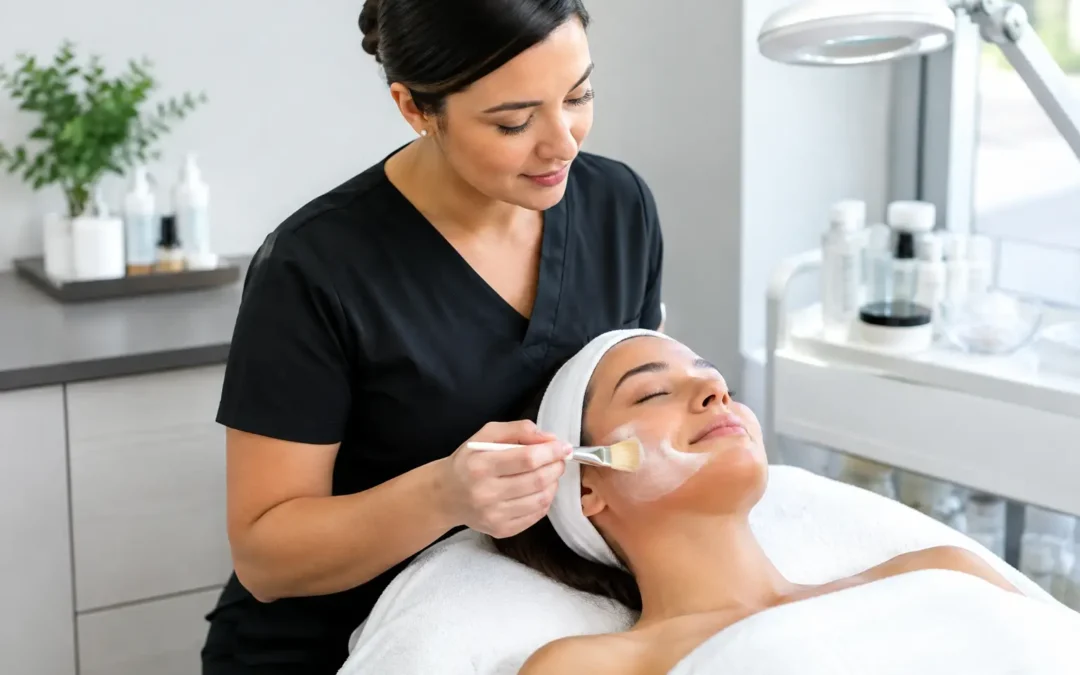
The hands-on component matters most. Watching a treatment performed and delivering one safely are very different experiences. Practice with real models or clients helps students refine their pressure, timing, communication, comfort level, and ability to adapt when every skin type and client concern is different.
Professional instruction also gives you feedback you cannot easily give yourself. An experienced educator can correct your technique, explain why a service result fell short, and help you develop better consultation habits before those habits become difficult to change. In small classes, students have more opportunity to ask questions, repeat services, and receive individual guidance.
Training can also create confidence around the business side of the industry. Retail recommendations, rebooking conversations, client records, professional boundaries, and workplace etiquette all influence whether a talented esthetician becomes a trusted one. These skills may not be as glamorous as the treatment room, but they are essential to long-term growth.
The Real Cost: Time, Tuition, and Commitment
It is wise to look at esthetics education with clear eyes. Tuition is only one part of the investment. Depending on the program, students may also need to budget for kits, uniforms, transportation, licensing or registration requirements, exam fees, and time away from other work.
There is also an effort cost. Esthetics is a hands-on profession, which means practice is not optional. Students who arrive prepared, seek feedback, and treat each service like a professional appointment tend to get more from their training. The same is true after graduation, when early career roles may involve evening or weekend schedules and a period of building speed and clientele.
This does not make the investment a poor one. It makes program selection important. A lower tuition price may not represent better value if the training includes limited practical work, outdated equipment, oversized classes, or little exposure to professional client service. Compare what you will actually learn, how often you will practice, and whether the curriculum reflects the services employers and clients are seeking.
Why Hands-On Experience Changes the Value of a Program
Beauty is a service industry. Employers want professionals who understand procedures, but they also value people who can welcome clients warmly, maintain a clean workspace, stay on schedule, and respond calmly when a service needs adjustment.
That is why real-world practice can make such a difference. A student clinic environment introduces the rhythm of appointment-based work while educators remain available to supervise and coach. You learn how to prepare a treatment room, conduct a consultation, explain aftercare, and create an experience a client wants to repeat.
At The Beauty Academy, career-focused esthetics education is designed around this kind of practical development, with hands-on learning, current techniques, modern equipment, and personal attention from experienced industry professionals. Training that mirrors the expectations of a salon, spa, or medical-spa setting can help students transition into the workplace with greater confidence.
When you tour a school or speak with an admissions representative, ask direct questions. How much time is spent practicing services? Who supervises student work? What tools and products are used? How large are classes? Does the school help students understand current employer expectations? Clear answers are a good sign that a program takes career readiness seriously.
Career Potential Depends on More Than a Diploma
A diploma or certificate can open the door, but it does not replace the habits that help an esthetician thrive. The strongest professionals continue learning, stay informed about their local regulations, practice excellent sanitation, and build relationships one appointment at a time.
Income can vary widely based on location, service menu, employer, schedule, commission structure, tips, retail sales, and whether you eventually work independently. This is one reason to be cautious about programs that promise a specific income outcome. The better question is whether the education gives you marketable skills, credible training, and the confidence to pursue opportunities with intention.
There are also different career paths for different personalities. Someone who loves a fast-paced environment may enjoy a busy spa or salon. A detail-oriented student may be drawn to specialized skincare services. A natural self-starter may aim to rent a space or build a private clientele over time, once they have the experience and legal requirements to do so responsibly.
When an Esthetics Program May Not Be the Right Fit
Esthetics programs are not automatically worth it for everyone. If you strongly dislike close client interaction, repetitive hands-on work, or service-oriented schedules, the day-to-day reality may not match the image of a beauty career. The work requires focus, patience, cleanliness, and the ability to make people feel comfortable.
It may also be worth pausing if you are choosing the field only because it appears easy to enter or because social media makes independent beauty work look effortless. Behind every polished treatment room is training, sanitation, customer care, product knowledge, scheduling, and ongoing professional development.
On the other hand, if you have been looking for a career where your technical skills can create visible results for real people, that challenge can be exactly what makes esthetics rewarding. You do not need to have every career step mapped out before you begin. You do need a genuine interest in learning and a willingness to grow.
How to Decide if the Investment Is Right for You
Before enrolling, picture the work itself rather than only the end result. Can you see yourself consulting with clients, standing for services, keeping a precise schedule, and practicing the same technique until it feels natural? Do you want a career where continued education can expand your services and opportunities?
Then evaluate each school as carefully as you would evaluate a future employer. Look for current curriculum, experienced instructors, clean and professional facilities, practical training, and an environment where students receive meaningful attention. A campus visit can tell you far more than a brochure: notice the energy of the classroom, the quality of the equipment, and whether students are actively developing their skills.
The right esthetics program should not simply help you earn a credential. It should help you become prepared to succeed when a client sits across from you and expects knowledgeable, professional care. If that future feels motivating, take the next step by speaking with a school, touring the training space, and choosing education that gives your ambition real practice behind it.