
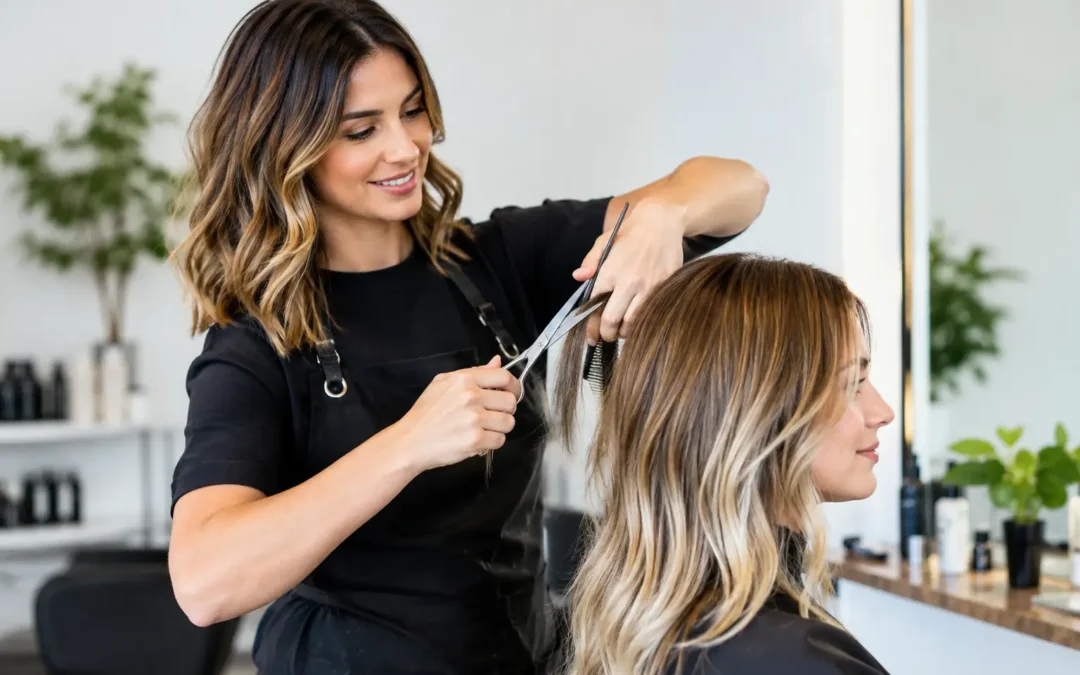
A great haircut can change how someone walks out the door. But the best skills for hairstylists go far beyond knowing how to hold shears or recreate a trend from social media. Successful professionals combine technical control, creativity, client care, and business awareness to create results people trust and remember.
For aspiring stylists, this is encouraging news. Hairstyling is a career you build through practice, feedback, and real client experience. The right training environment helps you develop the confidence to work with different hair types, goals, personalities, and salon expectations from day one.
Technical Skills Every Hairstylist Needs
Technical ability is the foundation of a hairstyling career. Clients may not know the names of every technique, but they notice balance, movement, shine, and whether their hair is manageable after they leave the salon.
Precision Cutting and Shape Building
A strong haircut begins with consultation, sectioning, posture, tension, and clean execution. Stylists need to understand how elevation, overdirection, graduation, layers, and face shape affect the final result. A blunt bob, soft shag, long layers, and a short textured cut each require a different approach.
Precision does not mean every haircut should look rigid. It means you can create the intended shape consistently. That reliability builds trust, especially when a client is making a major change or maintaining a look they love.
Color Knowledge and Application
Color services are often where technical knowledge and personalized service meet. A capable hairstylist understands the color wheel, formulation, placement, timing, lightening, toning, gray coverage, and maintenance requirements.
Modern clients also expect stylists to understand dimensional color, lived-in blondes, balayage-inspired placement, highlights, lowlights, fashion shades, and color corrections. Not every color request is achievable in one appointment, and an honest stylist knows how to explain that. Managing expectations protects hair integrity and creates a better client experience.
Styling for Different Hair Types and Occasions
Blowouts, flat ironing, curling, updos, braiding, smoothing, and finishing are not simply add-ons. Styling skills help clients see the full potential of their cut and color. They also open opportunities in bridal work, editorial styling, special events, and content creation.
The strongest stylists learn to adapt their techniques to straight, wavy, curly, coily, fine, dense, textured, and chemically treated hair. There is no one-size-fits-all method. Understanding how hair responds to heat, moisture, products, and tension helps create polished results without unnecessary damage.
Sanitation and Product Safety
Professionalism includes the details clients may not always mention, but absolutely notice. Proper sanitation, clean tools, safe product handling, allergy awareness, and an organized station are essential in every salon environment.
These practices protect clients and support your reputation. A stylist who works cleanly and confidently signals care before the service even begins.
The Client Skills That Turn First Visits Into Loyal Clients
A beautiful result matters, but the relationship often determines whether a client books again. Hairstyling is personal. Clients trust you with their appearance, their time, and sometimes their confidence during a difficult moment.
Consultation and Active Listening
Many service challenges begin before the first section of hair is cut. A client might say they want something “shorter” or “more natural,” but those terms can mean different things to different people. Great stylists ask thoughtful questions, look at inspiration photos, clarify maintenance preferences, and repeat the plan back in plain language.
Active listening also means paying attention to what a client does not say. Are they nervous about length? Do they want a low-maintenance routine? Are they trying to grow out damage? The consultation should guide the service, not feel like a rushed formality.
Communication That Builds Confidence
Clients appreciate clear, respectful guidance. If a requested look will not suit their current hair condition, lifestyle, or budget, explain why and offer realistic options. This is not about saying no. It is about helping the client make an informed choice.
Communication also matters during the appointment. Let clients know what you are doing, how long a process may take, and what to expect at home. A simple explanation of how to style a fringe or preserve a fresh color can make the service feel more valuable.
Empathy and Professional Boundaries
Salon chairs can become places where people share personal stories. Being warm and approachable is a strength, but so is knowing how to maintain professional boundaries. Respect privacy, avoid assumptions, and make every client feel welcome.
A successful stylist can connect with many personalities without changing who they are. That balance supports a comfortable, inclusive salon experience.
Best Skills for Hairstylists in a Modern Salon
The salon industry moves quickly. Trends shift, clients discover new techniques online, and employers look for professionals who can contribute beyond a single service. Technical fundamentals remain essential, but career growth also depends on adaptability.
Creativity With Purpose
Creativity helps stylists personalize every service. It allows you to adjust a haircut to a client’s features, create thoughtful color placement, and find solutions when hair does not behave exactly as expected.
However, creativity works best when it is supported by technical knowledge. A dramatic transformation may look exciting online, but it must also be achievable, maintainable, and appropriate for the client’s hair history. The best work balances vision with care.
Time Management and Organization
A busy salon day can include consultations, color processing, shampoos, cuts, blowouts, retail conversations, cleaning, and rebooking. Staying organized helps you deliver quality without making clients feel rushed.
Time management develops with experience. Early in your career, a detailed color service may take longer, and that is normal. The goal is not to rush through learning. It is to build efficient habits while protecting the quality of your work.
Adaptability and Continued Learning
New products, tools, techniques, and consumer expectations will continue to shape the profession. A stylist who remains curious can grow into advanced color, extensions, texture services, barbering, education, salon management, or freelance work.
Continued learning does not mean chasing every trend. It means evaluating what will improve your service, expand your opportunities, and serve your clients well. Strong foundational training makes it easier to add new skills with confidence.
Business and Retail Awareness
Hairstylists are creative professionals, but they also need to understand the business side of the industry. This includes rebooking, service pricing, retail recommendations, client records, social media presence, and professional presentation.
Product recommendations should always be genuine. When a stylist explains why a shampoo supports color longevity or why a heat protectant matters, clients receive better results at home. That builds trust and can strengthen your long-term earning potential.
How Hands-On Training Develops These Skills
Watching a demonstration is useful. Doing the work, receiving instructor feedback, and serving real clients is where growth becomes tangible. Hands-on education helps students connect theory to the decisions they will make in a salon every day.
Small class sizes can make a meaningful difference because students have more opportunities to ask questions, refine their technique, and receive personalized coaching. Learning on modern equipment and working with a range of clients also prepares future stylists for the pace and expectations of professional environments.
At The Beauty Academy, career-focused hairstyling education is built around practical experience, current techniques, and guidance from industry professionals. Students develop their skills through repeated practice so they can graduate prepared to succeed, not simply familiar with the theory.
Start Building Skills That Clients Remember
The most successful hairstylists are not born knowing every cut, color formula, or styling method. They become confident through education, repetition, curiosity, and a genuine commitment to client care.
If you are drawn to a creative career where your work can help people feel seen, polished, and confident, start by choosing training that puts real practice at the center. Every model, consultation, and finished service is a chance to build the professional skill that turns ambition into a career.