
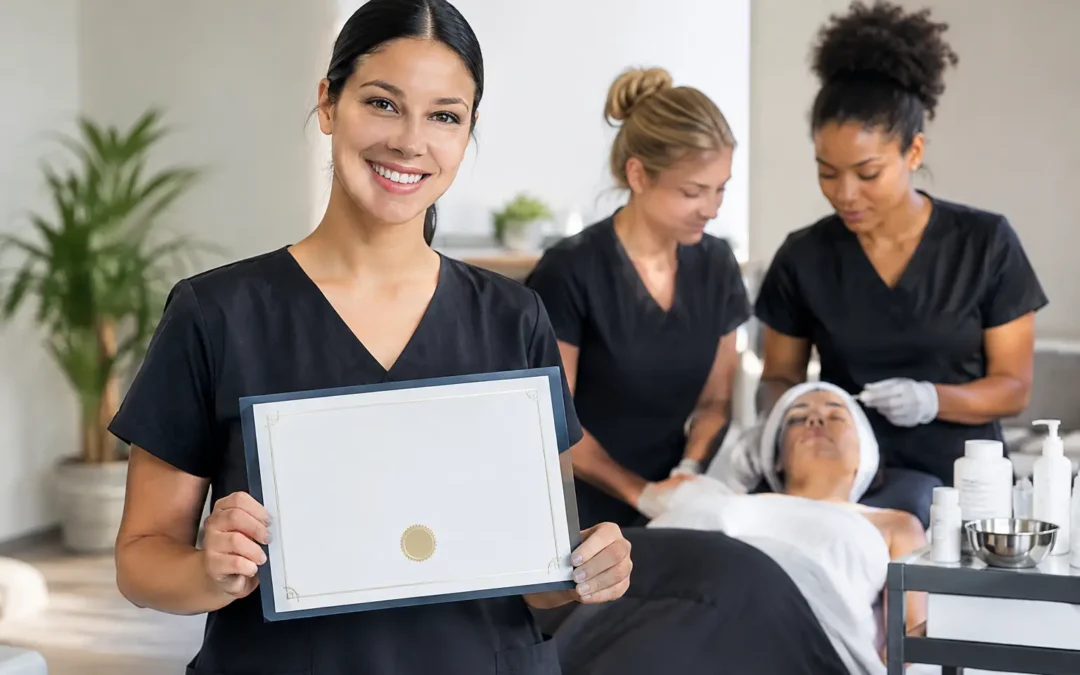
A beauty career is built one service, one consultation, and one confident decision at a time. The right certificate courses for beauty professionals can help turn a creative interest into practical, career-ready ability – whether your goal is working behind the chair, in a spa treatment room, or alongside a medical aesthetics team.
A certificate is more than proof that you attended a class. When the training is well designed, it shows employers and clients that you have learned current techniques, understand professional standards, and can deliver services with care. For aspiring beauty professionals, the value comes down to what you can actually do when a client sits in front of you.
Why Certificate Courses for Beauty Professionals Matter
Beauty is a people-focused industry. Clients trust professionals with their appearance, comfort, and confidence. That trust is earned through skill, sanitation, communication, and consistency – not simply through watching tutorials or practicing alone.
Career-focused certificate courses create a structured place to build those habits. You learn the steps behind a service, then repeat them under the guidance of experienced instructors. Feedback helps you correct your technique before it becomes a habit. Over time, you become faster, more precise, and more comfortable explaining your recommendations to clients.
For a recent graduate, a certificate can add focused expertise to a developing resume. For an adult learner changing careers, it can offer a practical entry point into a field that values visible skill and personal service. For an established professional, continuing education can keep your menu current and help you pursue a new specialty.
The best course depends on where you are now and where you want to go. A short advanced course may be ideal for a licensed professional expanding their services. Someone starting from the beginning may need a more comprehensive diploma program first, especially where licensing or registration requirements apply. Always confirm the rules in the state or province where you plan to work before choosing a program.
Choose Training That Builds Real-World Confidence
Not every certificate delivers the same career value. A course can sound impressive on paper yet offer limited practice, outdated equipment, or little opportunity to receive individual feedback. Look beyond the course name and ask how the learning experience prepares you for a real workplace.
Hands-on practice should lead the experience
Beauty services are physical skills. You need to understand how a product feels, how skin responds, how hair behaves, and how to adjust a technique for the person in your chair. Demonstrations are useful, but observation alone does not build professional confidence.
Strong training includes guided practice with professional tools, clear instructor demonstrations, and opportunities to work with real models or clients where appropriate. This helps students move beyond memorizing steps. You learn to assess individual needs, work safely, manage timing, and deliver a polished result.
Small classes create better feedback
Personal attention matters in beauty education. In a small class, instructors can see the details: hand position during a facial massage, product placement in a color service, clipper control in a fade, or the way you communicate during a consultation.
That immediate feedback can shorten the learning curve. Instead of wondering whether your technique is right, you can ask questions, make adjustments, and practice again. A low student-to-teacher ratio also helps create a supportive environment where beginners feel comfortable learning from mistakes.
Current techniques protect your investment
Clients notice trends, and employers expect new team members to understand the services people are asking for. Look for certificate training that reflects current salon, spa, and medical spa expectations rather than techniques that have lost relevance.
Updated curriculum should also cover the professional foundation behind the trend: sanitation, contraindications, product knowledge, consultation, aftercare, and ethical service recommendations. A popular service only supports a long-term career when it is performed responsibly and consistently.
Certificate Paths That Can Expand Your Options
The beauty industry offers many ways to specialize. The right path should align with the type of environment you want to work in, the clients you enjoy serving, and the credential requirements in your area.
Hairstyling and barbering
Hair and barbering courses can strengthen skills in cutting, styling, color application, clipper work, texture management, and client consultation. Advanced training can be especially valuable for professionals who want to refine a signature service or build confidence with a technique they did not practice extensively during foundational education.
A strong course does not only focus on the finished look. It teaches sectioning, product selection, tool control, timing, and how to adapt to different hair types. Those details are what help a professional create reliable results and encourage repeat appointments.
Esthetics and spa services
Esthetics certificates may focus on facials, hair removal, makeup, advanced skin care, lash or brow services, and body treatments. These services can suit professionals who enjoy detailed work, wellness-focused client care, and building long-term relationships through treatment plans.
Skin care requires sound judgment as well as technical ability. Quality education should help you recognize skin concerns within your scope, complete thorough consultations, maintain clean treatment practices, and explain realistic expectations. The goal is not to promise dramatic results. It is to provide thoughtful, professional care that clients can trust.
Medical esthetics and medical spa training
Medical spa services continue to create opportunities for professionals who want to work in results-oriented settings. Certificate courses in this area may cover advanced skin treatments, device awareness, consultation procedures, and medical spa protocols.
This is an area where training and scope matter greatly. The services you can legally perform, the supervision you may need, and the credentials required can vary by location. Choose education that clearly explains professional boundaries and prioritizes client safety. The right program prepares you to work confidently within those standards, not beyond them.
Questions to Ask Before You Enroll
Before committing your time and tuition, look at the full student experience. Ask who teaches the course, how much of the schedule is hands-on, what tools and products you will use, and whether you will practice on models or clients. Find out whether the credential is designed for beginners, licensed professionals, or both.
You should also ask how the school stays connected to employer expectations. Beauty careers move quickly, and training is most valuable when it reflects the pace and standards of active salons, barbershops, spas, and medical spas. Instructors with real industry experience can offer perspective that goes beyond a manual, including service pacing, client retention, professionalism, and workplace expectations.
At The Beauty Academy, students benefit from career-focused training designed around practical experience, modern equipment, and personal instruction. The goal is simple: help each student develop skills they can bring confidently into the beauty industry.
Turn Training Into Career Momentum
A certificate can strengthen your path, but the momentum comes from what you do with it. Treat every practical session as preparation for a future client. Arrive ready, keep your station organized, practice your consultation language, and ask instructors for specific feedback. These are the habits employers notice.
As you build skills, begin thinking about the professional you want to become. Maybe you want to be known for precision cuts, calming facial experiences, healthy skin plans, or elevated medical spa service. A focused specialty can make your career feel more intentional and give clients a clear reason to choose you.
Your next course should not simply fill time. It should move you closer to work you are proud to do, clients you are excited to serve, and a career that gives your talent room to grow.