
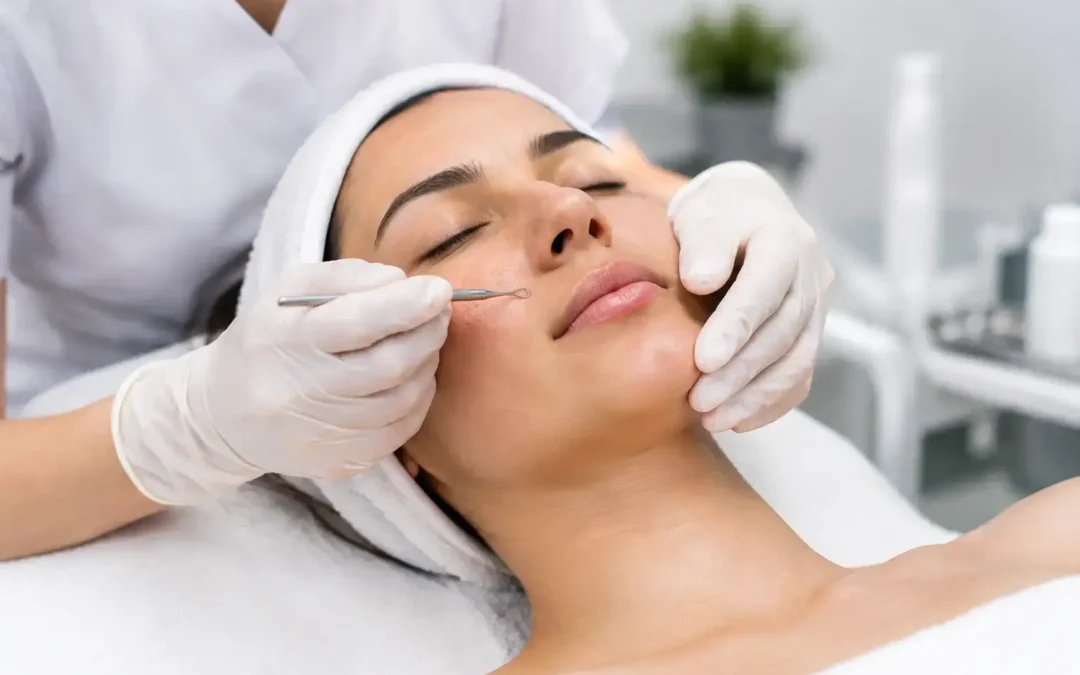
A facial can feel calming for a client, but extractions are where an esthetician’s technical judgment becomes visible. Learning how to practice facial extractions is not about pressing harder or working faster. It is about reading the skin, protecting the barrier, maintaining impeccable sanitation, and knowing when leaving a pore alone is the most professional choice.
For aspiring estheticians, this is a skill built through guided repetition. The goal is not simply to clear congestion. It is to provide a comfortable, effective service that respects skin health and leaves the client confident in your care.
Start With the Skin, Not the Tool
Successful extractions begin with a thoughtful consultation and skin analysis. Before touching the skin, assess the client’s skin type, current concerns, sensitivity level, medications, and recent treatments. Ask about prescription retinoids, acne medication, chemical peels, waxing, sun exposure, and any history of cold sores or skin reactions.
Some conditions require you to postpone extractions or refer the client to a medical professional. Inflamed cystic acne, open lesions, active infections, severely irritated skin, rosacea flare-ups, and skin that has recently undergone aggressive exfoliation should not be treated as a practice opportunity. A trained esthetician understands that client safety always comes before completing every step of a service.
Pay close attention to the difference between noninflamed congestion and active acne. Blackheads and closed comedones may be appropriate for careful extraction when the skin is properly prepared. Red, swollen pustules and deep painful lesions need a gentler approach. Trying to force an extraction can cause unnecessary trauma, pigment changes, scarring, and a loss of client trust.
How to Practice Facial Extractions With Proper Preparation
Preparation makes extractions more effective and more comfortable. Practice the full professional sequence every time, even when you are working on a classmate, mannequin, or volunteer model. Consistency creates habits that carry into a busy spa environment.
Begin with a thorough cleanse to remove makeup, oil, sunscreen, and surface debris. Follow with an appropriate exfoliation method based on the model’s skin condition and the products being used. Gentle enzyme exfoliants can help soften surface buildup, while stronger methods may not be suitable for every skin type.
Warmth and hydration may also help soften compacted sebum before extraction. Depending on your training and service protocol, this could involve steam, warm towels, or a targeted softening product. Steam is not automatically right for every client. Those with reactive skin, visible redness, or rosacea may respond better to a more controlled alternative.
Before the extraction step, ensure that your workstation is organized and disinfected. Wash your hands thoroughly, wear gloves when required by your school or local regulations, and prepare clean gauze, cotton applicators, and any approved extraction tools. Your setup should allow you to work without reaching across the client or breaking sanitation procedures.
Use Controlled Technique, Not Excessive Pressure
The most common extraction mistake is using too much force. When a comedone does not release with light, controlled pressure, stop. Reassess the angle, the level of skin preparation, and whether the lesion is actually ready to extract. Continuing to squeeze can damage capillaries and surrounding tissue.
A professional technique typically uses fingers wrapped in clean gauze or an approved, properly disinfected comedone extractor. Your training program may teach one preferred method first so you can develop consistency before adapting to different client needs. Either way, keep your movements deliberate and your pressure focused around, rather than directly on top of, the congestion.
Stabilize the skin with one hand while working with the other. Position yourself so that you can see clearly and maintain control without leaning excessive body weight into the client’s face. Good ergonomics matter. They support precision, reduce fatigue, and help you deliver better services over a long career.
Work in small sections rather than trying to clear the entire face quickly. The T-zone often has visible congestion, but each area of the face responds differently. A client’s nose may tolerate more focused work than their cheeks or chin. Watch for redness, discomfort, and signs that the skin needs a break.
Know When to Stop
A strong service is not measured by how many extractions you complete. Stop when the skin becomes overly red, when a lesion resists gentle pressure, or when the client reports discomfort. One or two carefully performed extractions are far better than a session that leaves the skin swollen and compromised.
This judgment takes practice. In a quality esthetics program, instructors can observe your hand position, pressure, sanitation, and client communication in real time. That feedback helps you correct small habits before they become difficult to change.
Build Your Skills Through Supervised Practice
Facial extractions are hands-on work, which means theory alone is not enough. Reading about skin conditions can build your foundation, but confidence comes from working with a variety of real skin types under professional supervision.
Start with practice models who understand they are participating in a learning service. Complete a consultation, obtain informed consent, explain each step, and check in throughout the treatment. This creates the client-care habits that employers expect from spa professionals.
As you practice, focus on one improvement at a time. You may begin by concentrating on sanitation and workstation setup. Then work on skin analysis, pressure control, client comfort, and post-treatment recommendations. Trying to perfect everything at once can make the service feel rushed. Deliberate repetition builds competence faster.
Keep notes after each practice session. Record the skin concerns you observed, products used, areas that extracted easily, areas you avoided, and how the skin responded. Over time, these observations sharpen your ability to customize treatments instead of relying on a one-size-fits-all facial routine.
Practicing on different skin tones is equally valuable. Post-inflammatory hyperpigmentation can be a greater concern for some clients, particularly after skin trauma. Gentle technique, thoughtful product selection, and a willingness to leave resistant congestion untouched are essential parts of inclusive, responsible esthetics care.
Finish With Calming Care and Clear Advice
After extractions, the skin needs support. Apply appropriate soothing, hydrating, or antibacterial products according to the client’s skin condition and your professional protocol. A calming mask, cool compress, or barrier-supporting finish can help reduce visible redness and restore comfort.
Avoid applying heavy occlusive products to freshly extracted areas unless they are specifically appropriate for the treatment plan. The goal is to calm the skin without contributing to more congestion.
Your home-care guidance should be simple and realistic. Encourage clients to avoid touching their face, applying harsh exfoliants, using strong active ingredients, or exposing freshly treated skin to excessive heat immediately after their appointment. Daily sunscreen is especially important, since treated skin may be more vulnerable to discoloration from UV exposure.
Do not promise that every facial will eliminate acne or prevent future breakouts. Estheticians can support clearer-looking skin through professional services and consistent home care, but persistent, painful, or severe acne may require a dermatologist’s evaluation. Honest recommendations build long-term client relationships.
Train for the Standard Clients Expect
Great extraction work blends technical ability with calm professionalism. Clients notice clean hands, clear explanations, gentle pressure, and an esthetician who knows when to pause. These details turn a basic facial into a service they will want to rebook.
At The Beauty Academy, hands-on esthetics education helps students develop these practical skills in a supportive learning environment. With experienced instruction and opportunities to practice professional service standards, students can graduate prepared to meet the expectations of modern spas and skincare clients.
The next time you practice, slow down and treat every step as part of your professional reputation. Careful technique today becomes the confidence clients feel in your hands tomorrow.