
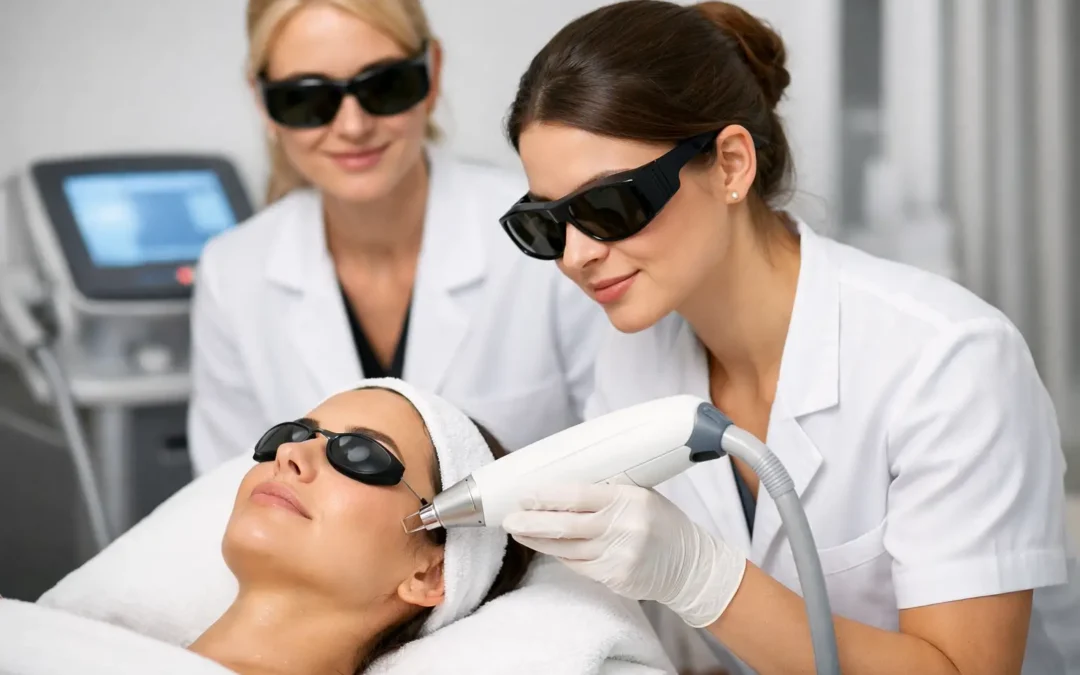
A laser treatment room leaves little room for guesswork. Clients are trusting you with their skin, their comfort, and visible results. Quality laser training gives aspiring medical aesthetics professionals the technical knowledge, practical experience, and safety-first mindset to deliver services with confidence.
For students who want a career that blends technology, client care, and beauty expertise, laser services can be a valuable specialty. From hair reduction and skin rejuvenation to pigmentation concerns and acne-focused treatments, laser and light-based services are a meaningful part of many modern medical spas. The right education helps turn interest in these advanced treatments into career-ready ability.
What Laser Training Teaches You Beyond the Device
Learning to operate a laser is only one part of becoming prepared for a medical aesthetics environment. A quality program should teach you why a treatment is selected, when it may not be appropriate, and how to create a safe, professional client experience from consultation through aftercare.
Students begin with the science behind laser and light technologies. This includes how energy interacts with the skin, the role of melanin, hair growth cycles, skin types, and the differences between common laser and light-based modalities. This foundation matters because two clients requesting the same service may require very different treatment plans, settings, or referrals.
Laser training should also build strong consultation skills. Before a treatment begins, a trained professional needs to review health history, skin concerns, medications, recent sun exposure, treatment goals, and realistic expectations. A thorough consultation protects the client and helps establish the trust that leads to a strong professional reputation.
Just as important, students learn that not every client is an ideal candidate. Certain conditions, medications, active skin concerns, or recent procedures may require delaying treatment or seeking direction from an appropriate medical professional. Knowing when not to perform a service is a sign of sound judgment, not a missed opportunity.
Why Hands-On Laser Training Makes the Difference
Watching a demonstration can introduce a technique. Hands-on practice is where students begin to develop control, consistency, and confidence. In a career-focused setting, students need opportunities to work with professional equipment, follow treatment protocols, and experience the pace and communication required in a real service environment.
Practical learning helps students understand details that are difficult to gain from theory alone. They learn how to prepare a treatment area, confirm safety measures, position a client comfortably, communicate sensations and expectations, and document services carefully. They also learn to observe the skin during a treatment and respond appropriately if a client experiences unexpected discomfort.
Small class sizes are especially valuable in advanced aesthetics education. Individual guidance allows instructors to correct technique early, explain the reasoning behind treatment choices, and help students gain confidence at a pace that supports safe learning. Instructors with industry experience can also share the professional habits employers notice, including consultation etiquette, sanitation standards, time management, and thoughtful client follow-up.
At The Beauty Academy, hands-on education is designed to connect classroom knowledge with the expectations students will encounter in salon, spa, and medical aesthetics settings. Working with current tools and learning from experienced professionals helps students see how advanced services fit into a larger career path.
Practice Builds Technical Confidence
A student may understand laser safety on paper but still need practice handling equipment, maintaining consistent movement, and adapting communication to each client. Repetition under qualified supervision helps transform knowledge into skill.
Confidence should never mean rushing or assuming every treatment is routine. It means being able to follow protocols carefully, explain the service clearly, and recognize when to pause and ask for guidance. That is the kind of confidence clients value and employers look for.
Safety Is a Professional Standard
Laser and light-based services require a serious commitment to safety. Proper protective eyewear, controlled treatment-room procedures, sanitation, detailed records, and clear aftercare instructions are not optional extras. They are part of responsible practice.
Students should also understand that laws, scope-of-practice requirements, supervision rules, and employer protocols can vary by location and service. A reputable training experience teaches students to respect those boundaries and stay informed as their careers develop. Advanced technology creates exciting opportunities, but it also requires professionals who are careful, ethical, and well prepared.
Career Opportunities After Laser Training
Laser education can complement a broader esthetics or medical aesthetics skill set. Employers often value professionals who can support clients across multiple services rather than focusing on one treatment alone. A strong foundation in skin analysis, facials, chemical exfoliation, client consultation, retail guidance, and advanced technology can make you more versatile in the workplace.
Graduates may pursue opportunities in medical spas, advanced skin care clinics, cosmetic practices, wellness centers, specialty laser clinics, or established day spas that offer technology-based services. The exact role will depend on local requirements, the type of employer, and the services offered within that business.
For many professionals, laser training is also a step toward long-term growth. With experience, you may move into senior service roles, client education, treatment coordination, spa management, equipment education, or additional advanced aesthetics certifications. Some professionals eventually build a loyal client base around a specialized focus, while others enjoy the variety of a full-service medical spa career.
The strongest career advantage is not simply having another certificate. It is being able to show employers that you can work responsibly, communicate professionally, and help create positive client experiences. Technical ability opens the door. Reliability, judgment, and client care help you build a career that lasts.
How to Choose a Laser Training Program
Not all training experiences provide the same preparation. Before choosing a program, look beyond the course title and ask what the learning experience actually includes. A program that promises quick results without meaningful theory, supervision, or practical application may leave students unprepared for professional settings.
Look for instruction that covers skin science, consultations, contraindications, treatment planning, safety procedures, equipment familiarity, and aftercare. Ask whether students receive supervised practical experience and whether instructors have relevant industry knowledge. Current curriculum and modern equipment also matter because medical aesthetics continues to evolve.
Consider the learning environment as well. A supportive school should make it comfortable to ask questions, practice new skills, and receive direct feedback. Low student-to-teacher ratios can make a significant difference when you are learning techniques that require precision and sound decision-making.
It is also helpful to think about your larger career goals. If you are just starting out, a comprehensive medical aesthetics education may give you a broader foundation before you specialize. If you already have related training, a focused laser course may help you expand your service capabilities. The right path depends on where you are now and the type of professional you want to become.
Building Trust With Every Client
Clients may come in excited about a treatment, but they can also feel nervous, self-conscious, or unsure about what to expect. The professional who earns their trust is not the one who uses the most complicated language. It is the one who listens, explains the process clearly, answers questions honestly, and prioritizes safety at every stage.
That client-centered approach begins during training. When students learn to combine technical skill with empathy and professionalism, they are better prepared to create experiences that clients remember for the right reasons. A treatment plan may be advanced, but the human side of the service remains simple: listen carefully, work responsibly, and help clients feel cared for.
Laser training can be a powerful next step for students ready to bring advanced skills to their beauty career. Choose education that challenges you, supports you, and gives you meaningful practice. When you are prepared to work with knowledge and care, you can step into the medical aesthetics field ready to build trust, grow your skills, and create a career you are proud of.