
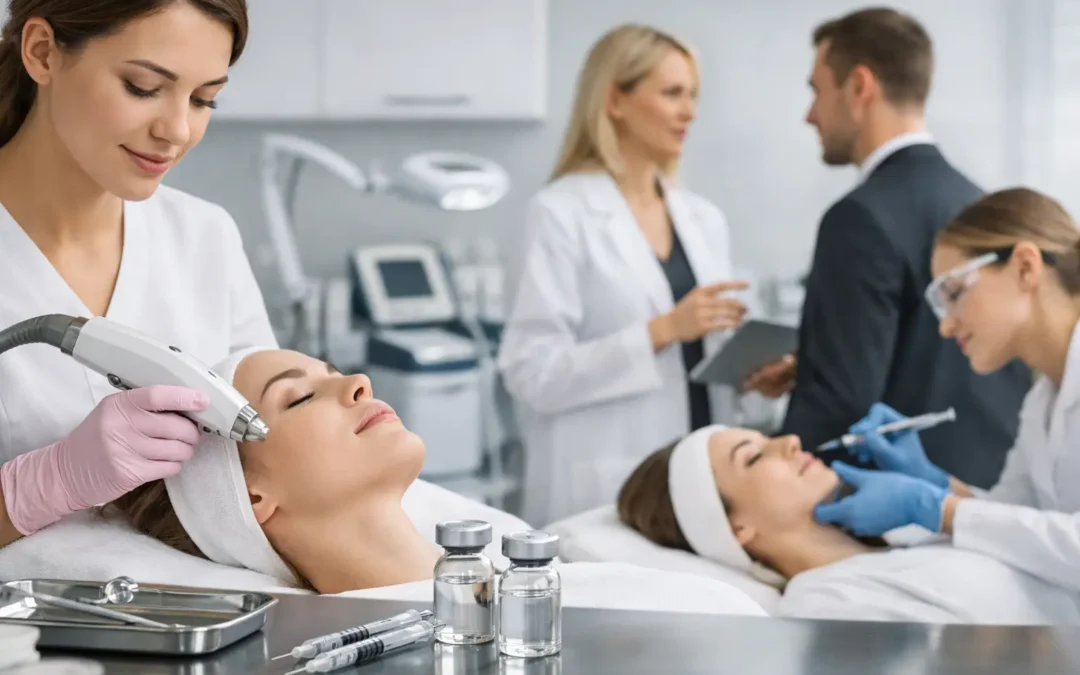
A facial room is no longer just a place for a relaxing treatment. It can be a setting for detailed skin consultations, treatment planning, technology-supported services, and long-term client care. That shift is driving medical esthetics career trends and creating meaningful opportunities for people who want a hands-on, client-focused profession with room to grow.
For aspiring professionals, the appeal is clear: medical esthetics brings together skin science, service, creativity, and practical skill. But a strong career is not built on a single popular treatment. It comes from learning how to assess client needs, work confidently with professional tools, communicate clearly, and adapt as the industry changes.
Medical Esthetics Career Trends Shaping the Industry
The demand for personalized skin care is one of the most visible shifts in medical esthetics. Clients are looking beyond one-size-fits-all facials. They want services and home-care recommendations that reflect their skin concerns, lifestyle, goals, and treatment history. This makes consultation skills just as valuable as treatment skills.
A successful medical esthetician needs to listen carefully, ask the right questions, document observations, and explain realistic next steps. Clients are often seeking help with concerns such as acne, texture, visible signs of aging, uneven tone, or dryness. They also want honest guidance. Building trust through clear education can turn a first appointment into a lasting professional relationship.
Technology is also influencing the services clients expect. Advanced exfoliation, light-based treatments, body treatments, and device-supported skin services have expanded the modern medical spa menu. The specific services a professional may perform depend on local regulations, employer policies, training, and supervision requirements. That is why career-ready education should teach both technique and professional judgment.
Knowing how a device works matters. Knowing when a service may not be appropriate matters just as much. Employers value professionals who respect treatment protocols, maintain a clean and organized work environment, protect client comfort, and recognize when a concern should be referred to another qualified provider.
Skin Health Is Becoming a Long-Term Service
Quick results will always attract attention, but many clients are now focused on skin health over time. They are interested in consistent professional care, thoughtful product routines, sun protection, and treatment plans that evolve with the seasons and their changing goals.
This creates an opportunity for medical estheticians to become trusted guides rather than one-time service providers. A career can grow through strong client retention, not simply through performing more appointments in a day. Professionals who can recommend services responsibly and explain product choices without pressure are well positioned to earn repeat business and referrals.
The Line Between Spa and Medical Spa Is Evolving
Traditional spas, salons, dermatology offices, cosmetic clinics, wellness centers, and dedicated medical spas may all employ esthetics professionals. Each workplace has a different pace, service menu, client profile, and level of clinical collaboration.
A luxury spa may emphasize relaxation, hospitality, and personalized facial experiences. A medical spa may place greater focus on advanced skin services, treatment preparation, consultations, and working within established clinical protocols. Neither setting is automatically better. The right fit depends on whether you are energized by calm service rituals, technology-focused treatments, sales and consultation, or a blend of all three.
This variety is one reason the field appeals to career starters and adult learners alike. Your first role does not have to define your entire future. With experience and continuing education, you may move into a specialty, a leadership role, education, brand representation, or business ownership.
What Employers Want From New Medical Esthetics Professionals
Employers want graduates who can contribute with confidence while continuing to learn. Technical ability is essential, but it is only part of the picture. A polished professional also understands client service, sanitation, time management, retail recommendations, and teamwork.
Hands-on practice is especially important because esthetics is a people-centered career. Reading about skin analysis is useful. Conducting a consultation, adjusting your communication for a nervous client, and completing a service with professional pacing are the experiences that build confidence.
At The Beauty Academy, students benefit from career-focused training that brings technique and real-world expectations together. Small class sizes and guidance from experienced instructors can make a major difference when you are learning detailed services, building your professional habits, and preparing to work with clients.
Communication Is a Career Skill, Not an Extra
Clients may arrive with high expectations, limited knowledge of treatments, or information they found online that does not apply to their skin. Professionals need the confidence to explain what a service can do, what it cannot do, and what results may reasonably require over time.
The best communication is clear and respectful. It does not overpromise. It helps clients feel informed, comfortable, and cared for. That approach protects the client experience and strengthens your reputation.
Communication also matters inside the workplace. Medical estheticians may coordinate with front-desk staff, fellow service providers, managers, nurses, or other licensed professionals, depending on the setting. Being reliable, receptive to feedback, and organized can help you stand out from the start.
Retail Knowledge Supports Better Client Results
Professional product knowledge is another growing advantage. Home care often supports the work performed in the treatment room, and clients expect recommendations that make sense for their goals and budget.
This is not about memorizing a sales script. It is about understanding ingredients, routines, product use, and the reason behind each recommendation. When clients see value in your guidance, retail becomes part of a stronger service experience rather than an uncomfortable add-on.
How to Prepare for a Career With Staying Power
The fastest path into the field is not always the best path for your long-term confidence. Look for education that balances theory with consistent hands-on practice. You should have opportunities to work with modern equipment, learn current techniques, and develop professional service standards before entering the job market.
A strong program should also help you understand the business side of beauty. That includes client consultation, scheduling, treatment documentation, professional presentation, retail awareness, and building a portfolio of skills. These details can shape how prepared you feel when interviewing for your first role.
Be thoughtful about credentials and local requirements as well. Scope of practice, licensing rules, and permitted medical spa services vary by state, province, and workplace. Before choosing a program or accepting a position, confirm what training, registration, oversight, or additional certification may be required where you plan to work. Staying informed is a professional responsibility, especially as services and regulations evolve.
Continuing education should be part of your career plan from the beginning. New devices and trending treatments can be exciting, but not every trend is worth pursuing immediately. The most valuable courses build on a solid foundation and fit the kind of clients and workplace you want to serve.
Where Medical Esthetics Can Take You
Medical esthetics can lead to more than one job title. Many graduates begin in a spa, salon, or medical spa, where they develop speed, confidence, and client relationships. Others find opportunities in skin care clinics, cosmetic practices, wellness businesses, or retail education.
As your experience grows, you may choose to specialize in corrective skin care, advanced facial services, client consultation, product education, or medical spa operations. Some professionals move into management, while others become educators who help train the next generation of beauty professionals. Entrepreneurship may also be an option for those who develop a strong client base and understand the responsibilities of running a business.
Income potential can vary widely based on location, service mix, experience, commission structure, tips, retail performance, and hours worked. That is not a reason to hesitate. It is a reason to choose training that helps you build versatile skills and make informed career decisions. A professional who delivers excellent services, communicates well, and keeps learning can create more options over time.
The future of medical esthetics belongs to professionals who pair technical training with care, curiosity, and sound judgment. If you want a career where your skills can make clients feel more confident in their skin, begin with education that gives you real practice, personal support, and the standards employers recognize.