
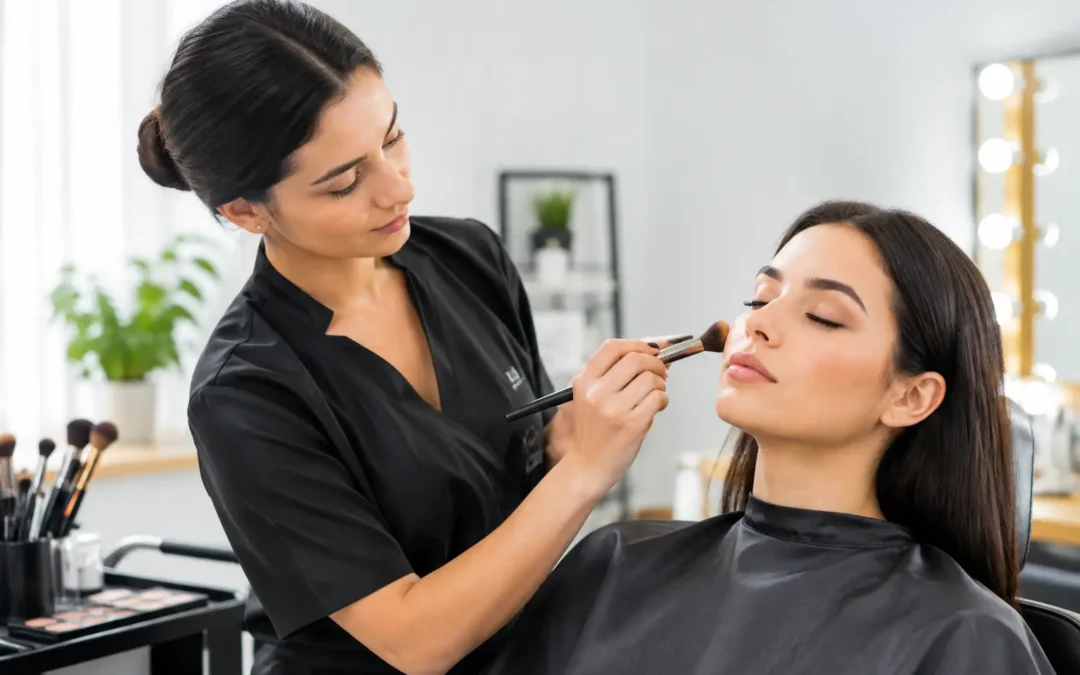
A beautiful result is only part of what makes a beauty professional stand out. Clients also remember how you listened, how confidently you worked, how clean and organized your station was, and whether they felt comfortable in your care. A modern beauty techniques course should prepare you for all of it – not just a single service, but the real expectations of a salon, barbershop, spa, or medical aesthetics environment.
For aspiring professionals, the right training can turn a creative interest into a career path with room to grow. The goal is not to memorize trends that may disappear next season. It is to develop technical ability, professional judgment, and the confidence to serve real clients with skill.
What a Modern Beauty Techniques Course Should Teach
Beauty education has changed because client expectations have changed. People want personalized services, current looks, clear recommendations, and high standards for sanitation and safety. Employers want graduates who can contribute to the team, communicate professionally, and continue building their skills.
That means a career-focused course must go beyond demonstrations. You need instruction that explains why a technique works, when it is appropriate, and how to adapt it to different hair types, skin concerns, face shapes, lifestyles, and client goals.
In hairstyling and barbering, modern training may include precision cutting, clipper work, styling, color application, texture services, consultations, and finishing techniques. In esthetics, it can include skin analysis, facial services, hair removal, makeup application, product knowledge, and client aftercare. Medical esthetics and medical spa training may add advanced treatment concepts, device awareness, professional protocols, and a stronger understanding of client suitability.
The exact mix depends on your program and the career you want to pursue. A future barber needs depth in fades, beard design, and efficient client service. A future esthetician needs a strong foundation in skin health and treatment planning. What both professionals need is the ability to perform with care, consistency, and confidence.
Technique Matters, but Consultation Matters Too
A client rarely walks in asking for a textbook procedure. They arrive with a concern, an inspiration photo, a time limit, a budget, or uncertainty about what will suit them. That is why consultation skills belong at the center of beauty training.
Students should learn to ask useful questions, assess needs, set realistic expectations, and explain recommendations in clear language. This builds trust before the service begins. It also helps prevent one of the most common challenges in client-facing work: promising a result that is not safe, practical, or achievable in one appointment.
Strong consultation skills can also support your long-term career. Clients return to professionals who make them feel heard. They refer friends when they receive thoughtful service, honest guidance, and results that fit their lifestyle.
Hands-On Practice Builds Professional Confidence
Watching an instructor create a polished result is valuable. Repeating that service yourself is where real learning begins. Beauty is a hands-on profession, and confidence grows through practice, feedback, correction, and repetition.
A strong learning environment gives students regular opportunities to work with professional tools, products, equipment, mannequins, and, when ready, real clients. Each experience teaches something different. Mannequins allow you to slow down and focus on control. Client services teach timing, communication, adaptability, and the responsibility that comes with performing in a live setting.
Small class sizes make a meaningful difference here. When instructors have time to observe your technique, they can correct hand position, product placement, posture, sectioning, pressure, and pacing before those habits become harder to change. Personalized feedback is not about perfection on day one. It is about steady improvement and learning how to evaluate your own work.
At The Beauty Academy, students benefit from career-focused education designed around practical experience, current industry techniques, and direct support from experienced professionals. That combination helps students move from learning a service to performing it with greater independence.
Learning to Work at Salon and Spa Pace
New students often focus on quality first, as they should. Over time, however, speed and service flow become equally important. A beautiful haircut, facial, or makeup application must also fit within the appointment schedule while maintaining sanitation, client comfort, and attention to detail.
Training should help you build this rhythm gradually. You may start by completing a service step by step, then progress to managing a full appointment from consultation through cleanup and rebooking. This includes preparing your station, selecting products, documenting service information when needed, recommending appropriate home care, and resetting your space for the next guest.
The trade-off is clear: rushing too early can affect quality, while focusing only on perfection can make it difficult to work efficiently. Professional training teaches you how to balance both. With guided practice, speed becomes a result of better organization and stronger technique, not cutting corners.
Current Trends Need a Strong Foundation
Beauty trends move quickly. One season may bring demand for soft, blended color and lived-in texture. Another may spotlight sharp barbering details, glass-skin makeup, brow styling, or advanced skin treatments. Staying current helps you meet client interest, but trends should never replace fundamentals.
The best beauty professionals understand the principles behind the look. They know how to analyze hair, skin, and facial features. They recognize when a trend suits a client and when a modified version will create a better outcome. They also know when to recommend a different service entirely.
This is especially important in skin and medical spa services. A popular treatment is not automatically appropriate for every person. Professional judgment, sanitation standards, scope of practice, and client safety must guide every recommendation. Career-ready training gives students the knowledge to approach services responsibly rather than simply follow what is popular online.
A modern curriculum should be updated as techniques, products, and tools evolve. Still, the most valuable programs teach students how to keep learning after graduation. Continuing education, specialized certifications, and mentorship can help you expand your services as your career develops.
Career Skills Employers and Clients Notice
Technical talent gets attention, but professionalism creates opportunity. Salons, spas, and barbershops need team members who are dependable, prepared, and committed to delivering a positive client experience.
A quality course should help you practice the habits that make employers confident in hiring you. These include punctuality, sanitation, communication, retail and product knowledge, teamwork, booking awareness, and professional presentation. You should also learn how to receive feedback without losing confidence. In a creative industry, feedback is how professionals refine their craft.
Business awareness matters as well. Whether you join an established team, rent a chair later in your career, or build a personal client base, you will need to understand service pricing, retention, referrals, and reputation. You do not need to have every business decision figured out before you enroll. You do need a training experience that introduces the professional habits behind sustainable success.
Choosing the Right Training Experience
When comparing beauty schools or courses, look past the program name. Ask how often students practice, who teaches them, what equipment they use, and whether the curriculum reflects the services employers are hiring for. Find out how students receive feedback and when they begin working with real clients.
Consider the environment, too. A supportive school should challenge you while making it comfortable to ask questions, make corrections, and grow. The right instructors will hold you to professional standards while helping you see your potential.
Your career will be shaped by more than the first technique you learn. Choose training that gives you the practice, perspective, and personal support to build skills you can carry into every client interaction. When you feel prepared in your hands, your knowledge, and your communication, you are ready to create work you can be proud of.