
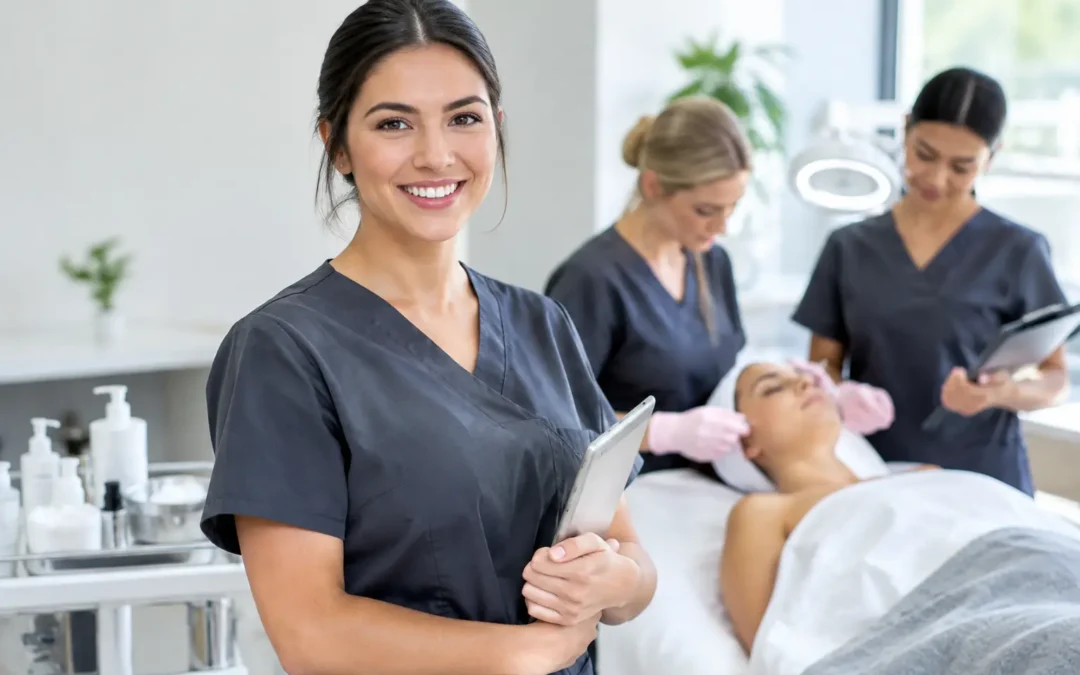
The most meaningful medical esthetics student success stories rarely begin with a perfect plan. They often start with someone who loves skincare, wants a more fulfilling career, or is ready to turn an interest in beauty into professional skills they can use every day. What changes the direction of that ambition is practical training, supportive instruction, and the moment a student realizes, “I can do this.”
A career in medical esthetics can be creative, people-focused, and full of room to grow. But confidence is earned through practice. Students need more than product knowledge or a list of treatments. They need the ability to consult with clients, work safely with professional equipment, understand skin concerns, and create an experience that makes people feel cared for.
What Medical Esthetics Student Success Stories Have in Common
Every path looks different. One student may arrive directly from high school, while another may be moving from retail, hospitality, healthcare, or an entirely different profession. Yet the strongest student outcomes often share a few defining experiences: consistent hands-on practice, detailed feedback from instructors, exposure to real client expectations, and a learning environment where questions are welcomed.
Medical esthetics is a field where technique and communication work together. A student can learn the steps of a facial treatment, advanced skin service, or hair removal procedure, but they also need to learn how to listen. Clients may come in feeling self-conscious about acne, texture, signs of aging, or unwanted hair. A prepared professional knows how to explain options clearly, set realistic expectations, and make recommendations within their training and scope of practice.
That combination of technical ability and client care is what helps new graduates stand out when they begin applying for positions in spas, salons, skincare clinics, and medical spa environments.
From Unsure Beginner to Confident Professional
Many future students worry that they do not have enough experience to begin. They may have watched skincare tutorials, worked in beauty retail, or practiced techniques on friends and family, but professional training can still feel like a major leap.
The first weeks of a medical esthetics program can be humbling. There is terminology to learn, sanitation standards to follow, client records to understand, and techniques that require precision. That is normal. The goal is not to arrive knowing everything. The goal is to build a reliable foundation and improve with every service.
Practice turns knowledge into skill
A student may understand skin anatomy in theory but feel nervous holding professional equipment for the first time. Repeated practice changes that. Under instructor guidance, learners begin to recognize different skin types, adjust treatment steps, and understand why one approach may be more appropriate than another.
Small class sizes can make a meaningful difference here. When instructors have time to observe technique closely, students receive feedback while it is still useful. A correction in pressure, product application, consultation flow, or sanitation process can become a better habit before the student moves on to more advanced services.
This is where confidence becomes visible. It shows up when a student can prepare their station independently, explain a treatment to a client in plain language, and stay calm when a service does not go exactly as planned.
Real client experience changes the mindset
Working with real clients is often a turning point. Practice models are valuable, but client-facing experience introduces the professional responsibilities that make the work feel real. Students learn to manage time, greet clients professionally, perform thorough consultations, and adapt when a client has questions or specific concerns.
A successful service is not only about the result. It is also about safety, cleanliness, comfort, and clear communication. Students who gain experience in a supervised salon or spa setting learn how all of those details connect. They begin to see themselves not simply as learners, but as developing professionals.
The Career Change Story: Building a New Direction
For adult learners, a medical esthetics program can represent a fresh start. Some are looking for work that feels more personal and creative. Others want a career with flexible opportunities, the chance to build a loyal clientele, or a path toward specialization.
Career changers often bring valuable strengths with them. Someone from customer service may already know how to create a welcoming experience. A former office professional may bring organization and dependability. A parent returning to the workforce may bring patience, problem-solving skills, and a strong motivation to build something meaningful.
The challenge is translating those strengths into a new professional setting. Career-focused education helps make that transition more manageable by connecting classroom learning to the standards employers expect. Students need to know what a polished consultation sounds like, how to maintain a professional treatment area, and how to represent themselves during an interview.
At The Beauty Academy, career readiness is built into the learning experience through hands-on education, industry-informed instruction, and opportunities to develop confidence before graduation. The goal is not simply to complete a program. It is to leave prepared to succeed.
Success Does Not Always Follow One Timeline
One graduate may secure a position soon after completing training. Another may begin part-time while building confidence, then move into a more specialized role. Some may discover they enjoy advanced skincare services, while others find that they thrive in client consultation, retail, management, or eventually entrepreneurship.
There is no single version of success in this field. It depends on your goals, location, availability, and the opportunities you pursue. Building a client base takes consistency. Specializing may require additional education. Employment requirements and permitted services can also vary by local regulations, employer policies, and professional credentials.
That does not make the path uncertain. It makes it flexible. Students who continue learning, show professionalism, and provide excellent client care can create careers that evolve with their interests.
What Employers Notice in New Medical Esthetics Graduates
Employers want entry-level professionals who can contribute to a positive client experience while continuing to learn. They understand that new graduates are still developing. What often matters most is whether a candidate has the right foundation and the right attitude.
Strong graduates demonstrate sound sanitation habits, professional communication, treatment room organization, product knowledge, and a willingness to accept coaching. They know that every client should receive thoughtful attention, not a rushed or one-size-fits-all service.
Employers also notice presence. Can the candidate welcome a client with warmth? Can they explain a service without making unrealistic promises? Can they respond professionally when a client is dissatisfied or uncertain? These skills may seem simple, but they shape trust and long-term client loyalty.
How to Create Your Own Success Story
The best way to prepare for a career in medical esthetics is to treat training like the beginning of your professional reputation. Arrive ready to practice. Ask questions when a technique is unclear. Take feedback seriously, even when it feels challenging. The students who progress fastest are not always the ones who get everything right immediately. They are the ones who remain curious, consistent, and committed to improving.
It also helps to think beyond graduation. Pay attention to the kinds of services you enjoy, the client interactions that energize you, and the environments where you can picture yourself working. Your early experiences can help you shape a career plan that feels personal, practical, and motivating.
Medical esthetics student success is built service by service, client by client, and skill by skill. If you are ready to turn your interest in skincare and beauty into professional momentum, the first step is choosing training that gives you room to practice, grow, and believe in what you can become.